Eczema concerns?
FREE
Get instant expert guidance with our smart AI platform.
Join NowFor people living with eczema, relief can feel like a moving target. You moisturize religiously, watch what you eat, and follow your dermatologist’s advice yet the flare ups persist. The truth is, the very air in your home might be working against your skin. In this guide, we explore the indoor triggers that can worsen eczema symptoms, many of which go unnoticed in day to day life. By identifying and eliminating these common culprits, you can make your home a haven not a hazard for your skin.
Eczema, also known as atopic dermatitis, is a condition marked by a weakened skin barrier and overactive immune response. This makes skin more vulnerable to irritation, allergens, and environmental stressors. Indoor environments where most people spend over 90% of their time are filled with particles and chemicals that can provoke or worsen eczema symptoms. A peer reviewed study in Clinical & Experimental Allergy found that indoor allergens like dust mites, mold, and pet dander are key contributors to eczema severity in both children and adults (Arshad et al., 2001). Understanding this relationship is the first step toward reclaiming comfort.

These microscopic pests thrive in mattresses, bedding, carpets, and upholstery. Their feces and body fragments can trigger allergic reactions and inflammation in eczema prone skin.
Dry indoor air, especially in winter or air conditioned spaces, depletes moisture from the skin, leading to cracking, flaking, and increased itchiness. This stress on the skin barrier can precipitate a major flare up.
Even if you’re not allergic, proteins found in pet skin flakes, saliva, and urine can aggravate eczema through skin contact or airborne particles. The minute size of dander allows it to remain suspended in the air for long periods.
Looking for more pet specific guidance? Check out our blog on pet allergens and living peacefully with pets.
Many common cleaners contain fragrances, ammonia, bleach, or quaternary ammonium compounds, which can irritate both skin and airways. These chemicals, often called volatile organic compounds (VOCs), can linger in the air long after cleaning is finished.
Synthetic fragrances contain volatile compounds that trigger inflammation in people with sensitive skin even without direct contact. This is a form of contact dermatitis that is often overlooked because the exposure is through the air.
Hidden mold spores in damp corners or behind walls can wreak havoc on the immune system and skin barrier. Mold thrives where moisture is trapped, making bathrooms, basements, and window sills prime locations for this indoor trigger.
Hot showers, warm bedding, or poorly ventilated rooms can cause sweating and heat induced itching, a common eczema trigger. Sweat contains minerals that can irritate compromised skin, creating a vicious itch scratch cycle.
Apply any product from NellaDerm’s line post shower to protect skin from drying out.
The quality of the air inside your home plays a crucial role in managing eczema symptoms. Indoor air can contain various pollutants that directly affect skin health and immune responses. Understanding these factors helps create a healthier living environment.
Modern homes are built to be energy efficient, which means they are more airtight than older homes. While this saves energy, it also traps pollutants inside. Without proper ventilation, these contaminants accumulate and can continuously trigger eczema flare ups.
Regular air quality monitoring can help identify problem areas in your home. Simple devices that measure humidity, temperature, and particulate matter can provide valuable insights into when and where to take action to improve your indoor environment.
While allergens like dust mites and dander are well known, another class of indoor triggers deserves serious attention: Volatile Organic Compounds (VOCs). These are gases emitted from various solids or liquids and can include dozens of chemicals. The concentration of VOCs is consistently higher indoors than outdoors, and they have been directly linked to exacerbating eczema, especially in susceptible individuals.
Common sources of high VOCs in the home include:
The bedroom is where we spend approximately one third of our lives, making it the most important room to optimize for eczema management. Creating a sanctuary free from triggers can significantly improve sleep quality and reduce nighttime itching.
Start with your bedding selection. Choose natural fibers like 100% cotton or bamboo that allow your skin to breathe. Avoid synthetic materials that can trap heat and moisture against your skin. Consider investing in organic bedding that hasn’t been treated with chemical flame retardants or finishing agents.
Your mattress deserves special attention. Even with protective covers, old mattresses can harbor millions of dust mites. If your mattress is over seven years old, consider replacement. For new mattresses, look for those certified for low chemical emissions and allow them to air out thoroughly before use.
The type of flooring in your home is one of the most critical factors in controlling indoor allergens. While carpeting provides warmth and comfort, it acts as a massive reservoir for dust mites, pet dander, mold spores, and tracked in pollen from outdoors. Deep vacuuming, even with a HEPA filter, rarely removes all the trapped irritants.
For individuals and families managing eczema, replacing carpeting with hard surfaces like hardwood, tile, or linoleum is highly recommended by allergists. These surfaces are non porous and allow for complete removal of allergens through simple sweeping, mopping, and light vacuuming.
If removing carpet is not feasible, especially in rentals, focus your mitigation efforts on:
The goal of temperature control is not just to be comfortable, but to prevent the skin from losing moisture and to minimize sweating. Sudden changes in temperature can be a major trigger, causing flushing and an intense urge to scratch.
When the environment is too hot, the body sweats. The evaporation of sweat can leave behind salts and irritants that sting and dry the skin, weakening the barrier further. When the environment is too cold or dry, the skin loses its natural oils (lipids) more quickly, leading to cracking and inflammation. Maintaining a consistent, slightly cool ambient temperature is key. The ideal range for most eczema sufferers is 68°F to 72°F (20°C to 22°C) during the day, dropping slightly cooler at night.
Dust mites are the most common indoor allergen worldwide and represent a major hurdle for eczema management. Eliminating them requires a sustained, multi faceted approach, moving beyond simple vacuuming.
While often overlooked, the rooms with water sources are typically the most problematic for eczema patients due to the high risk of mold and strong cleaning chemicals.
The laundry room plays a critical role in eczema management, as clothing and bedding come into direct contact with your skin. Proper laundry practices can significantly reduce exposure to irritants and allergens.
Start by selecting the right detergent. Look for products specifically labeled “free and clear” that are free from dyes, fragrances, and harsh chemicals. Avoid fabric softeners and dryer sheets entirely, as they leave residue on fabrics that can irritate sensitive skin.
Your washing machine itself requires attention. Front loading machines can develop mold around the door seal, which can transfer to your laundry. Regularly clean the rubber gasket and run empty cycles with vinegar or machine cleaner to prevent mold buildup. Always remove washed items promptly to prevent musty odors and bacterial growth.
Eczema is profoundly affected by stress, and while stress isn’t a direct indoor trigger like dust, the home environment plays a critical role in mitigating it. A cluttered, disorganized, or poorly ventilated space can create a subtle, constant background level of stress that lowers the threshold for a flare up.
This intersection of environmental hygiene and mental health is critical. By systematically eliminating physical triggers, you remove a source of chronic anxiety related to flare ups, which in turn helps calm the overactive immune system associated with eczema.
Eczema safe home management is not a one time clean; it is a year round commitment that changes based on the season.
Even if your environment is pristine, your skincare products can either help or harm. Use formulas that are:
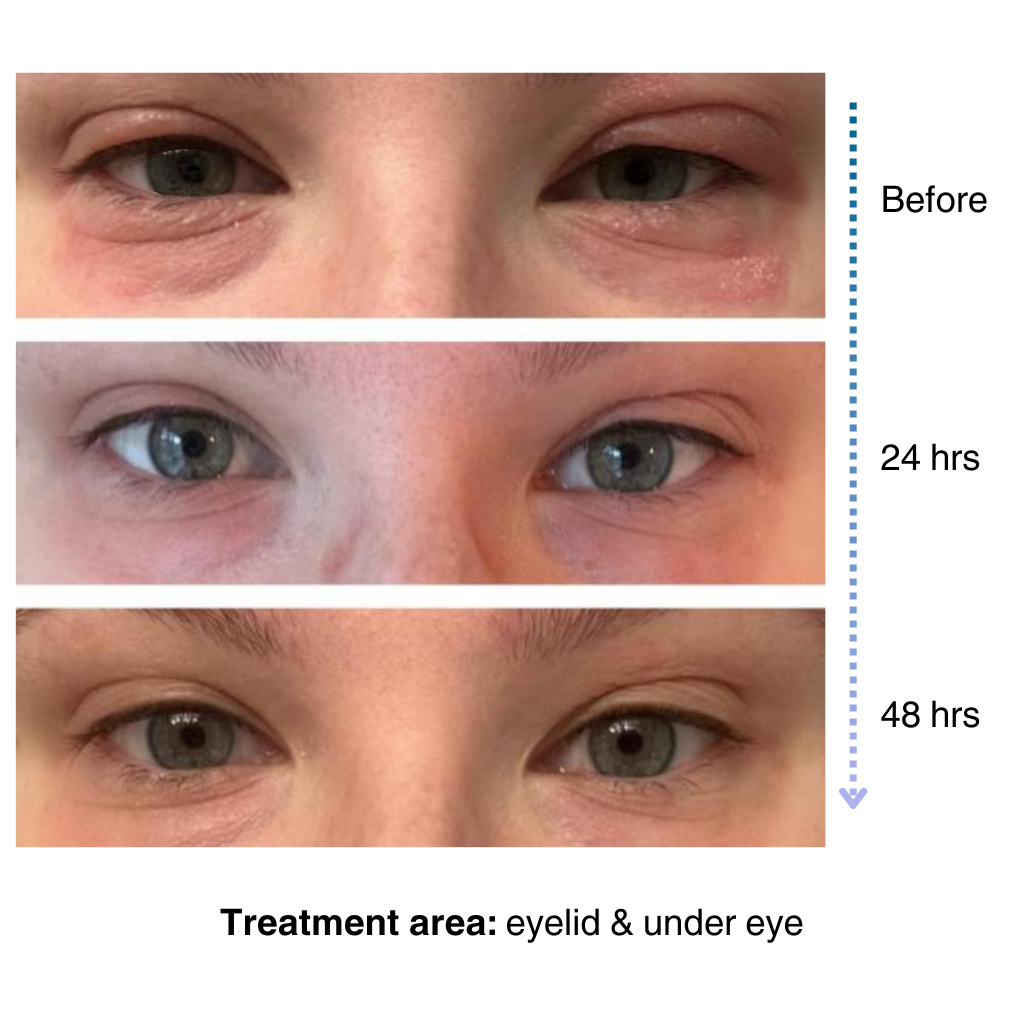
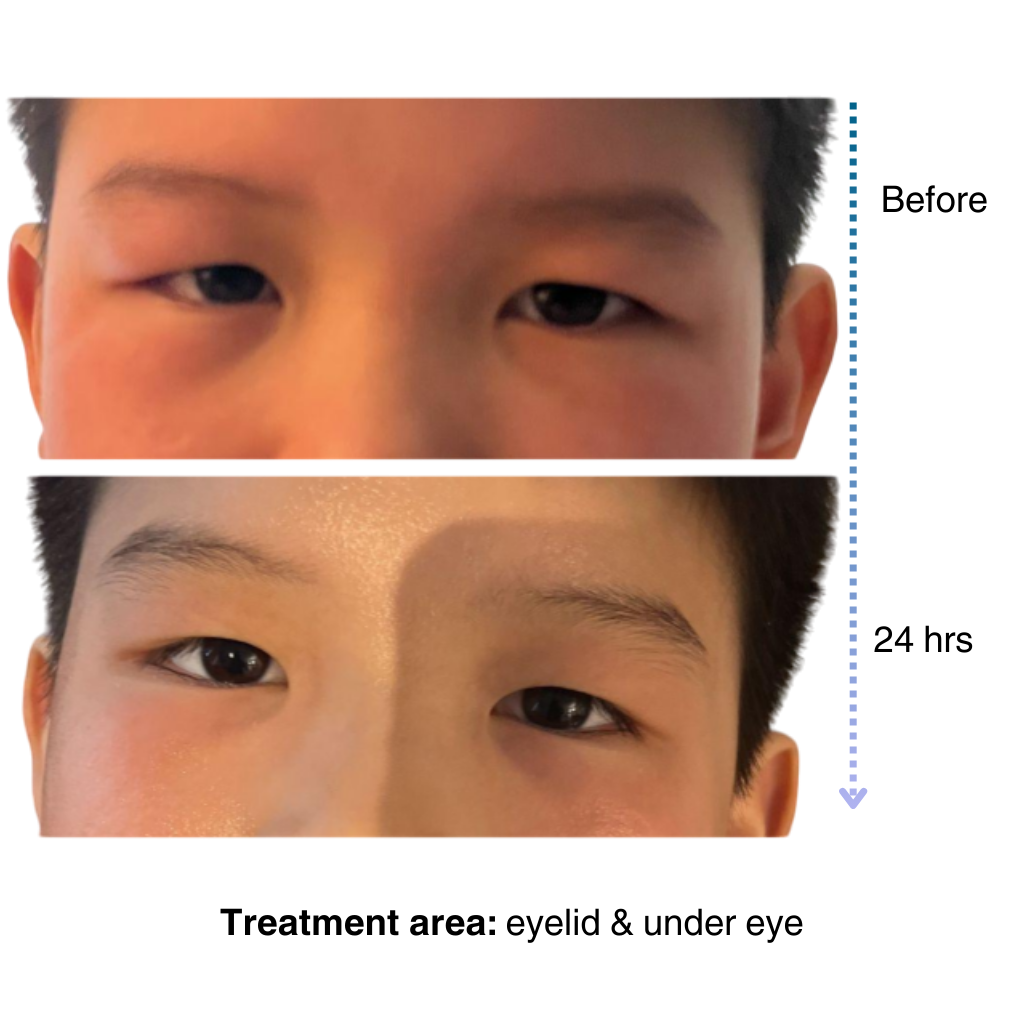
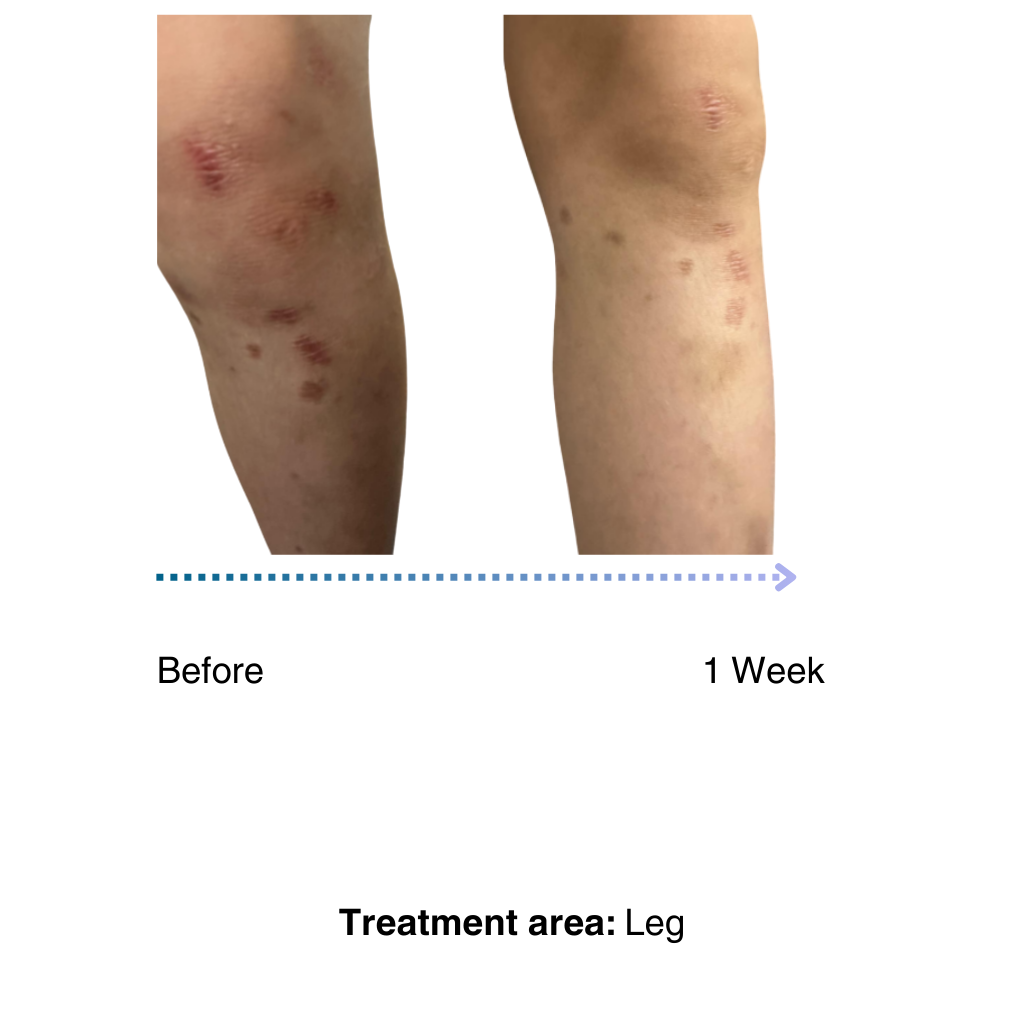
NellaDerm’s eczema safe skincare line includes cleansers, moisturizers, and spot treatments clinically developed to protect the skin barrier and soothe flare ups ideal for households with multiple sensitivities.
| Room | Key Changes |
|---|---|
| Bedroom | Dust mite proof bedding, humidifier, unscented detergent, bare floors preferred |
| Living Room | HEPA vacuum, pet free furniture, no candles or sprays, high quality air purifier |
| Kitchen | Fix leaks, reduce humidity, natural cleaners, consistent use of exhaust fan |
| Bathroom | Ventilation fan, mold control, fragrance free soaps, fast drying floor mats |
| Laundry Room | Use only free and clear detergents, inspect washer drum for mold, clean lint trap regularly |
Pro tip: Keep a flare up journal to track when and where symptoms appear. If symptoms spike after staying home, that’s a good sign your environment may be contributing.
If you’re planning home renovations or moving to a new space, consider these eczema friendly approaches to create a healthier living environment from the start.
When selecting building materials, prioritize those with low chemical emissions. Look for products certified by reputable organizations for indoor air quality. Consider alternatives to traditional drywall that are more resistant to mold growth, especially in high moisture areas like bathrooms and basements.
Ventilation systems deserve special attention during renovations. Consider installing energy recovery ventilators that bring in fresh air while maintaining temperature control. Ensure your HVAC system includes high efficiency filtration and that all ductwork is properly sealed to prevent dust and allergen circulation.
Even small traces of allergens or irritants (like detergent residue or dust mites) can trigger eczema. Look into hidden sources, such as pillow stuffing, room sprays, or wall mold. The issue may be the cleaning products themselves, which contain irritating chemicals, or the inability of cleaning to reach deep seated allergens in carpets or upholstery.
Yes especially HEPA filters, which trap dander, dust, and airborne allergens. Some models also include activated carbon, which can help reduce chemical irritants and VOCs. Place them strategically in the bedroom, as this is where you spend the most time.
Plants can improve air quality but poorly maintained pots can harbor mold. Stick to low water plants like snake plants and ensure pots have good drainage. Additionally, if you have outdoor allergies, the plant’s leaves can sometimes track in pollen from outside. Wipe the leaves regularly with a damp cloth.
Very important. Hard water (high mineral content) can leave residues on the skin that clog pores and worsen dryness. Consider installing a water softener or a shower filter, especially if you live in an area known for hard water, as this can drastically reduce skin irritation during bathing.
Absolutely. A mattress that is several years old can contain millions of dust mites and their waste, even with protective covers. The general recommendation is to replace mattresses every 7 to 10 years. If replacement is not an option, ensure the dust mite cover is in excellent condition and is washed regularly according to instructions.
Your home should be a sanctuary, not a source of eczema triggers. From bedding to air quality, the smallest indoor elements can either support or sabotage your skin health. Achieving a comprehensive guide to managing eczema indoors requires dedication to these often overlooked details.
The good news? A few thoughtful changes can lead to major improvements. Combine environmental adjustments with eczema safe skincare, and you’ll create a living space that finally supports your skin’s healing. This proactive approach to your environment is a powerful tool in your long term eczema management strategy, offering not just temporary relief but sustained comfort.