
Eczema concerns?
FREE
Get instant expert guidance with our smart AI platform.
Join NowIf your skin flares more after certain meals or during allergy season, you have probably asked yourself: “is eczema related to gut health?” The short answer is that the gut and skin communicate through multiple pathways including immune signaling, barrier integrity, and microbial metabolites. For a subset of people, foods rich in histamine or foods that trigger histamine release may amplify itch and redness. This guide explains the gut–skin connection in plain language, what a low-histamine diet actually looks like, who is most likely to benefit, and how to try it carefully while keeping nutrition front and center.
Quick note: this is not a cure or a one-size-fits-all plan. Think of it as a structured experiment you run with your clinician or dietitian, using your symptoms as feedback.
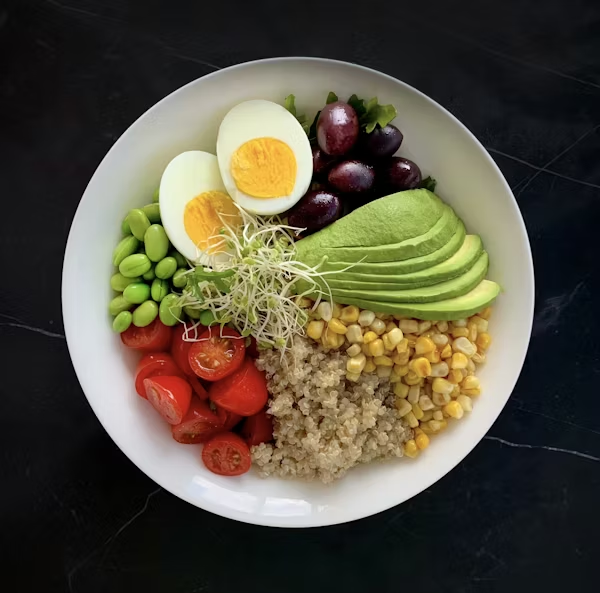
A growing body of research connects intestinal health to atopic dermatitis through three big levers:
These connections do not mean food is the sole driver of your flares, but they do explain why some people notice that specific eating patterns change how their skin feels over weeks. Check out our blog on Gut Health and Eczema for more related information.
Histamine is a natural chemical your body uses for immune signaling, stomach acid production, and wakefulness. You make it inside the body, and you can also consume it in food. Normally, enzymes such as diamine oxidase (DAO) and HNMT break down histamine efficiently. If your personal “histamine bucket” fills faster than you can empty it, because of high-histamine foods, impaired breakdown, or additional triggers like pollen, itch and redness can ramp up.
One peer-reviewed study from NIH worth knowing: in a controlled oral challenge, ingesting histamine aggravated eczema in a subgroup of adults with atopic dermatitis, suggesting dietary histamine can worsen symptoms for some people. This does not prove everyone with eczema is histamine-sensitive, but it supports trying a structured, time-limited diet trial if your pattern fits.
You are a good candidate to test a low-histamine diet if several of these ring true:
If your eczema is stable and unrelated to meals, or if you already have a very restricted diet, a low-histamine plan may not add much and could risk nutrient gaps.
A low-histamine approach has two pillars:
Keep a simple food-symptom log. Rate itch from 0 to 10 before and two hours after meals and again at bedtime. Patterns usually emerge in 10–14 days.
Day 0: Prep
Plan breakfasts, lunches, and dinners built from the staples list. Shop fresh. Freeze individual portions of cooked proteins the same day you prepare them.
Days 1–14: Eat Simply And Track
Stick to the list without obsessing. If you eat out, choose grilled meats or fish, rice or potatoes, and steamed vegetables. Avoid leftovers that sat more than 24 hours refrigerated unless you froze them the day you cooked.
Daily rhythm
End of Day 14: Review
Scan your log. If average itch and night waking dropped, you have signal. If nothing changed, histamine is unlikely to be a major driver for you.
Do not stay restrictive longer than needed. Reintroduce one food every two to three days and watch for changes in evening itch or morning skin feel.
Example sequence:
If a reintroduced food bumps symptoms for 24–48 hours, you have identified a personal threshold. Often, portion size and freshness matter as much as the category. For example, a small piece of fresh feta may be fine even if a large portion of aged cheddar is not.
Breakfasts
Lunches
Dinners
Snacks
Food is one lever. You will get the clearest results when your other eczema basics are steady:
When your baseline routine is calm, it is much easier to answer if eczema related to gut health for you personally.
Kids and teens
Growth comes first. Never restrict major food groups without a pediatric clinician or dietitian. A short, supervised trial with school-friendly swaps can still reveal helpful patterns.
Pregnancy and lactation
Keep nutrition broad and balanced. If you notice clear links between fermented or aged foods and itch, reduce those items but avoid wide eliminations.
Vegetarian or vegan
Rely on very fresh legumes and tofu, freeze leftovers promptly, and consider soaking and pressure-cooking beans to improve tolerance.
“Nothing changed after two weeks”
Histamine sensitivity is probably not a key driver for you. Return to your usual balanced diet and focus on other levers such as sweat, sleep, stress, and fragrance-free products.
“I improved but now feel stuck”
Start reintroductions. Long-term restriction is not necessary or helpful. Find your personal red-zone foods and portion sizes, then broaden everything else.
“I am losing weight or feel low-energy”
Add larger portions of rice, potatoes, and fats like olive oil and avocado. Consider a dietitian visit to maintain balance.
“My symptoms spike with leftovers”
That is common in histamine sensitivity. Freeze portions the day you cook and reheat once. Avoid slow cookers and very long simmer times during your trial.
Skin and gut talk to each other, and histamine is one of the languages. If your patterns suggest sensitivity, a short low-histamine trial is a reasonable experiment to help answer is eczema related to gut health for you. Keep meals simple and fresh, track symptoms, and reintroduce foods to find your personal threshold. Pair that with a steady skincare routine and you will know within a few weeks whether this lever moves the needle for your skin.
So… is eczema related to gut health?
For many people there is a connection, but the strength of that connection is personal. A short, careful low-histamine trial is one way to test your own response without over-restricting.
Do I have to avoid all fermented foods forever?
No. The goal is to identify your threshold. Many people tolerate small portions or specific items when their skin is calm.
Can I combine this with other eliminations like dairy-free or gluten-free?
Start with one variable so you can read results. If you change everything at once, you will not know what mattered.
How quickly will I notice a difference?
If histamine is a driver for you, itch and redness often ease within 7–14 days. Texture changes and fewer night wakings usually follow.
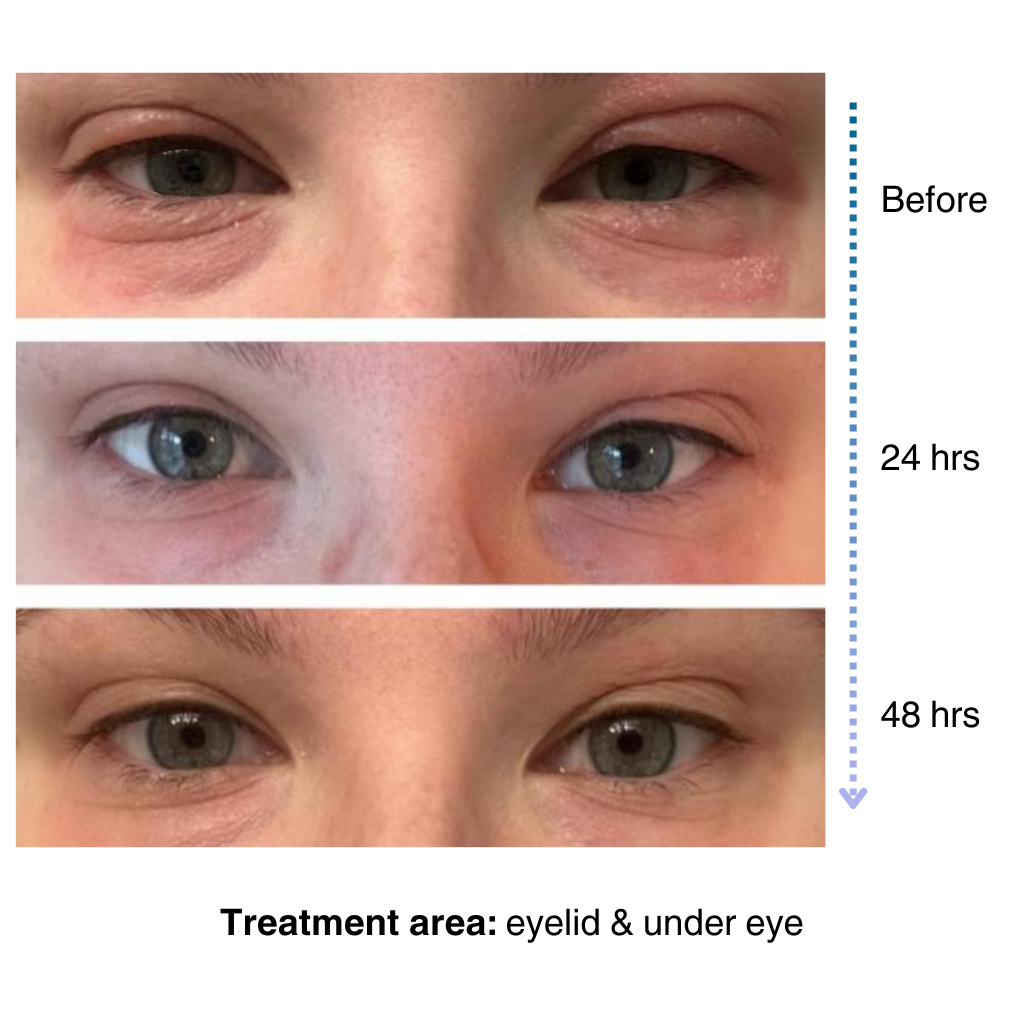
It’s easy to apply and isn’t chalky at all. I’ve been applying it multiple times a day… I’ve tried multiple new products to try and treat my eye eczema, and this is definitely the best I’ve tried so far.
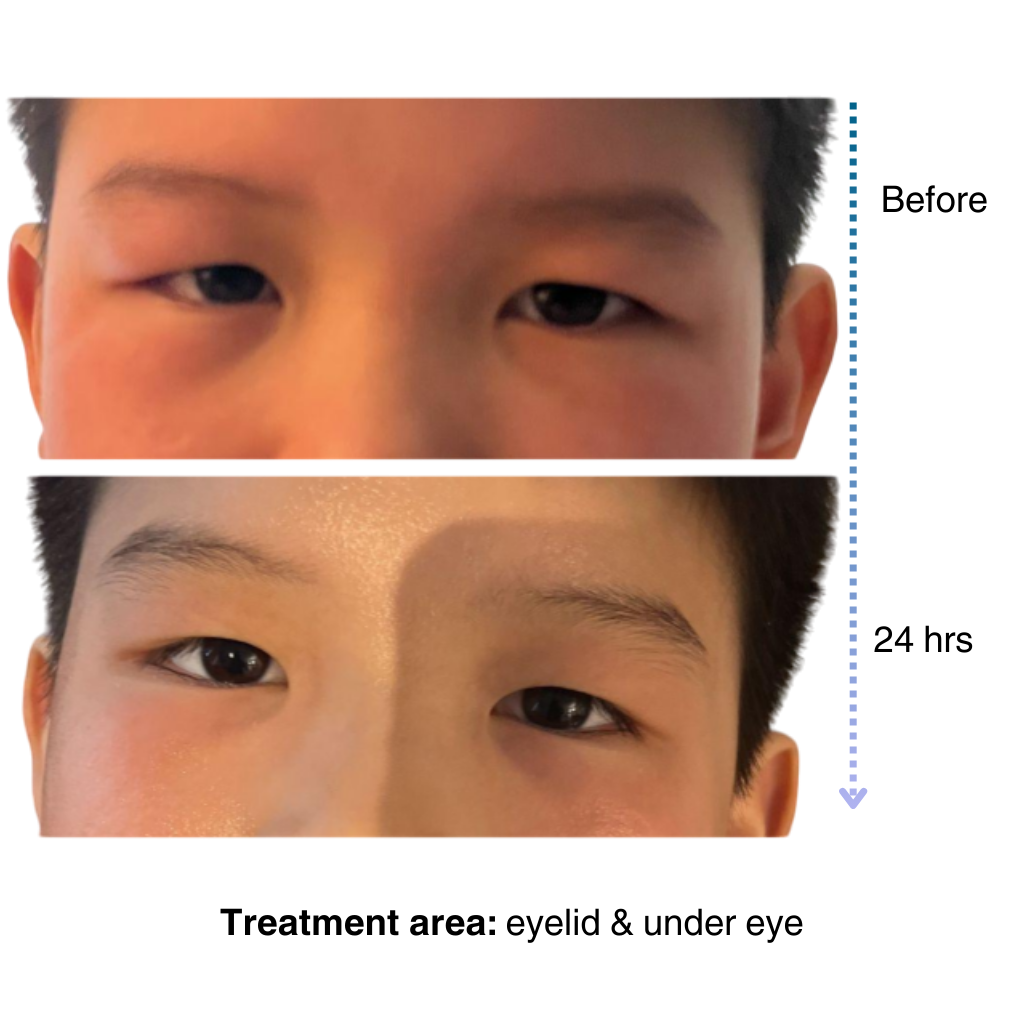
My 7-year old son has been dealing with eczema on his face for a long time, and it’s been so tough to find something that really works…..I’m amazed by the results! Within one day, the redness and rough patches on his face significantly improved…. he doesn’t mind using it at all because it doesn’t sting or feel greasy. – Lily

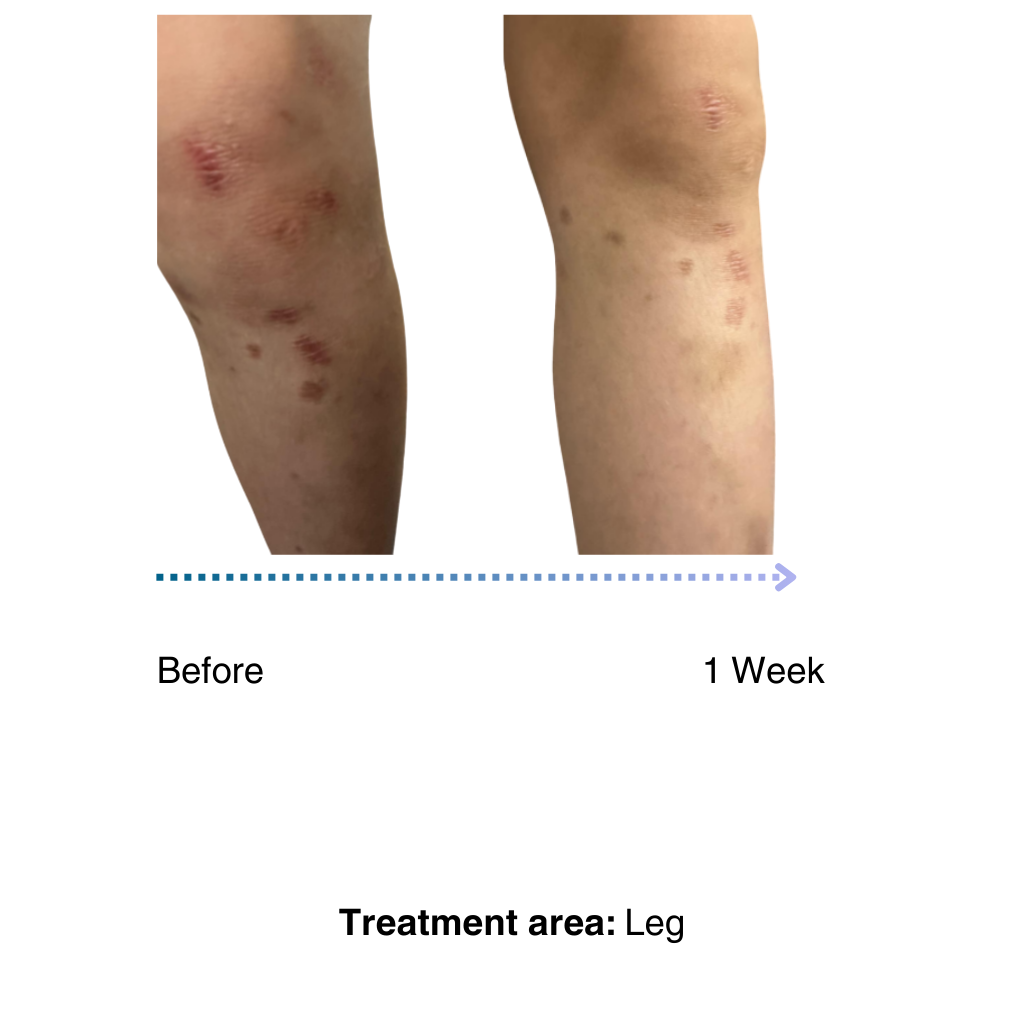
Like many of you, our eczema journey is personal. That’s why we’re committed to creating a space for the eczema community to share experiences, be empowered through evidence-based solutions, and learn practical tips for daily life.
– Sajjad, Founder & CEO of NellaDerm
