
Eczema concerns?
FREE
Get instant expert guidance with our smart AI platform.
Join NowThe Best Laundry Detergents for Eczema-Prone Skin Can Laundry Detergent Trigger Eczema Flare-Ups?
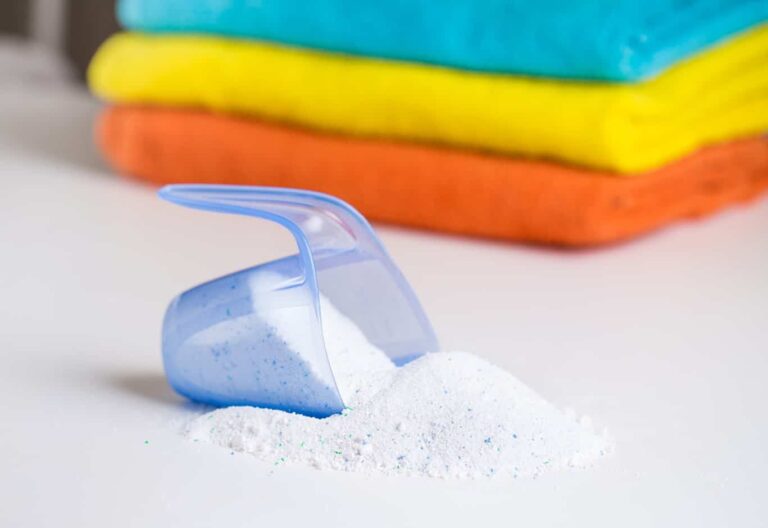
Yes, certain laundry detergents can trigger eczema flare-ups. Many conventional detergents contain harsh chemicals, fragrances, and dyes that irritate sensitive skin. Residue left on clothes after washing can lead to itching, redness, and dryness.

Hypoallergenic detergents represent the safest choice for eczema-prone skin, formulated specifically to minimize the risk of allergic reactions and irritation. These products undergo rigorous testing to ensure they avoid common allergens while maintaining cleaning efficacy.
The absence of fragrance and dyes represents the most critical factor in selecting an eczema-safe detergent. Understanding labeling nuances helps avoid hidden irritants:
True fragrance-free products contain no fragrance chemicals, while “unscented” products may contain masking fragrances that neutralize chemical odors without adding a perceptible scent. Always choose “fragrance-free” for eczema management.
Artificial colors serve no cleaning purpose and can transfer to skin, particularly in areas where clothing is tight or damp with sweat. Look for detergents that explicitly state “dye-free” on packaging.
While plant-based ingredients generally offer gentler alternatives to synthetic chemicals, they’re not automatically eczema-safe. Important considerations include:
Plant-derived surfactants like those from coconut oil (cocamidopropyl betaine) are typically gentler than petroleum-based alternatives, but individual sensitivities vary.
Natural detergents may use alternative preservatives that can still cause reactions in sensitive individuals. Look for products with minimal preservative systems.
Some “natural” detergents contain essential oils for fragrance, which can be potent allergens. Avoid these just as you would synthetic fragrances.
Implementing an extra rinse cycle represents one of the most effective yet overlooked strategies for reducing detergent-related irritation:
Research indicates that a single rinse cycle removes only 80-90% of detergent residues, while a second rinse removes 95% or more. For front-loading high-efficiency machines, which use less water, the extra rinse becomes particularly important.
Using warm water for the initial wash followed by cool water rinses helps dissolve detergent effectively while minimizing energy use and protecting fabric integrity.
Traditional fabric softeners and dryer sheets deposit chemical coatings on fabrics that frequently trigger eczema flares. Consider these safer alternatives:
The mineral content of your water significantly impacts detergent effectiveness and residue:
Mineral-rich hard water reduces detergent efficiency, requiring more product and leaving more residue. Consider a water softener or using a detergent specifically formulated for hard water.
While hot water kills dust mites and removes allergens more effectively, it can set protein-based stains and increase chemical reactions. Warm water (85-105°F) typically offers the best balance for eczema households.
Cotton and Natural Fibers: Generally well-tolerated but may require different care than synthetics. Wash in warm water with extra rinses.
Synthetic Blends: Can trap residues more readily. Consider using slightly less detergent and always using extra rinse cycles.
Athletic Wear: Technical fabrics often require special detergents. Look for fragrance-free, dye-free sport detergents and avoid fabric softeners that compromise moisture-wicking properties.
Baby Clothes: Require extra attention to residue removal. Consider running an empty rinse cycle periodically to clean your machine of buildup.
The connection between laundry detergents and eczema is supported by substantial scientific research:
Yu et al. (2023) demonstrated that laundry detergent residues can persist on fabrics through multiple wearings, with certain surfactant formulations showing particular affinity for common clothing materials like cotton and polyester.
Cork, Robinson, & Vasilopoulos (2005) established that individuals with the sensitive skin phenotype exhibit heightened neural responses to detergent residues, explaining why standard detergents cause discomfort even when they don’t produce visible irritation in those without eczema.
D’Avino, Yazici, & Pat (2024) provided mechanistic evidence showing how detergent surfactants disrupt corneodesmosomes, the protein structures that maintain skin barrier integrity, creating entry points for allergens and irritants.
Pre-Sort: Separate heavily soiled items and wash separately with appropriate stain treatment
Detergent Measurement: Use the minimum recommended amount—most people use 30-50% more than needed
Water Temperature Selection: Warm wash (85-105°F) with cool rinses
Extra Rinse Activation: Always select the extra rinse option
Drying Method: Line dry when possible or use low heat; avoid dryer sheets
Storage: Store cleaned clothes in a dust-free environment
Persistent Itching After Clothing Changes:
Re-evaluate your detergent choice
Implement a second extra rinse cycle
Consider a machine cleaning cycle to remove buildup
Try a different brand with simpler ingredients
New Clothing Irritation:
Always wash new clothes at least twice before wearing
Use a slightly higher detergent amount for the initial wash of new items
Consider a vinegar rinse to help remove manufacturing chemicals
Seasonal Adjustments:
In winter, when skin is typically drier, be extra vigilant about residue removal
During high-pollen seasons, consider washing clothes more frequently to remove allergens
In humid summer months, ensure clothes are completely dry before storing to prevent mildew
Frequently Asked Questions (FAQs)
Like many of you, our eczema journey is personal. That’s why we’re committed to creating a space for the eczema community to share experiences, be empowered through evidence-based solutions, and learn practical tips for daily life.
– Sajjad, Founder & CEO of NellaDerm
