Makeup for Eczema: Safe Picks for Sensitive Skin

Makeup should feel like a confidence booster, not a flare trigger. Yet many base products rely on fragrance, essential oils, drying alcohols, or shimmery pigments that catch on dry patches and sting eyelids. With a few smart swaps and better application habits, makeup for eczema can be comfortable, polished, and low-drama. Below is a step-by-step plan to pick gentler formulas, reduce friction, and avoid common allergens—especially around the eyes, where rashes are easy to misread.


A 2024 study found in Scientific Reports shows that among adults patch-tested for eyelid dermatitis, the most frequent contact allergens were metals, fragrances, and preservatives: all common in color cosmetics and removers. This is one reason strict fragrance-free choices and careful eye product selection matter so much when choosing makeup for eczema.
makeup for eczema

The Essentials In One Minute

  • Choose fragrance-free, alcohol-free, and essential-oil-free makeup and removers.
  • Prefer creams and liquids over drying mattes and chunky powders on active dry patches.
  • Always moisturize first, wait one minute, then apply base in thin layers with a damp sponge to reduce friction.
  • Keep eyes and lips extra gentle, since nickel, fragrance, and certain preservatives are frequent eye-area culprits.
  • Take a true makeup holiday during flares on the affected area. Calming the patch quickly beats fighting cakey texture for days.
  • Remove makeup with a fragrance-free balm or lotion, not harsh wipes.

If you want a single, steroid-free barrier cream that layers nicely under makeup, keep a tube of NellaCalm Steroid-Free Eczema Cream at your sink and in your bag.

Step 1: Prep The Canvas So Makeup Glides

A smooth base solves most “patchy foundation” problems.

  1. Cleanse gently with a fragrance-free lotion or gel; skip foamy or gritty formulas when skin is dry or flaring.
  2. Moisturize within three minutes while skin is slightly damp.
  3. Wait one minute so moisturizer settles.
  4. Optional: tap an extra rice-grain of moisturizer on flaky zones to “spot-prime.”
  5. Apply mineral sunscreen if you are heading out, then wait another minute before makeup. Press to spread to minimize sting around eyes. For eye-area tactics, see: Eczema on the Eyelids: How to Treat Delicate Areas Safely

Step 2: Foundations That Do Not Fight Your Barrier

Best textures for base

  • Hydrating liquids and cream foundations sit more naturally on textured skin than ultra-matte liquids.
  • Tinted mineral moisturizers or tinted mineral sunscreen can double as base on calm days and tend to sting less around the eyes.

Label checklist

  • Fragrance-free and essential-oil-free
  • No denatured alcohol high on the list
  • Shorter ingredient lists where possible
  • If you are very reactive, consider lines marketed for “sensitive” skin, but still check the label because “hypoallergenic” is not a regulated term.

Application tips

  • Use a damp sponge or fingertips with a pressing motion. Buffing with stiff brushes creates friction that highlights flakes.
  • Apply thin, sheer layers only where needed. You can always spot-conceal later.

Step 3: Concealers For Redness And Spots

  • Choose creamy, stretchable concealers. Dry “camouflage” pots can cake on eczema patches.
  • For under-eyes, pick hydrating formulas with a natural finish. Set only where creasing happens, using a whisper of finely milled, talc-free powder pressed, not swept, into place.
  • For active plaques, skip heavy coverage. A thin color-corrector under a sheer concealer looks better than stacking thick layers on top of scale.

Step 4: Eye Makeup That Respects Thin Skin

Eyelids are the most common cosmetic problem area in makeup for eczema.

Safer habits

  • Prefer pencil or cream shadows you can press on gently; avoid dry, glittery powders that shed and scratch.
  • If you love shimmer, keep it off inflamed areas and choose micro-shimmers rather than chunky sparkle.
  • Replace mascaras and liners regularly to limit preservative breakdown.
  • Clean brushes frequently with a fragrance-free cleanser, rinse well, and let them dry fully.

Nickel, fragrance, and preservatives

  • Trace metals can appear in some eye cosmetics and tools; eyelash curlers and even frames can contribute. If your rash matches the tool contact points, consider nickel-free replacements. 
  • Fragrance in removers and creams is a frequent trigger; pick fragrance-free and avoid botanical blends marketed as “refreshing.” 

Step 5: Blush, Bronzer, And Highlighter Without Texture Cling

  • Cream blush and bronzer melt into moisturized skin with less catching on scale. Tap on with fingertips or a damp sponge.
  • If powder is your preference, choose finely milled, talc-free formulas and press them in lightly.
  • Keep highlighter subtle and away from flaky zones—micro-pearls rather than chunky glitter.

Step 6: Lips And The Perioral Zone

  • Choose flavor-free, fragrance-free balms and lip colors. Menthol, mint, and cinnamon are notorious for perioral flares.
  • During an active lip-line rash, stick to bland balm and a soft, non-tinted gloss.

Patch Testing: Your At-Home Mini Rehearsal

Before putting a new product all over your face:

  1. Apply a pea-size to the inner forearm or behind the ear nightly for three nights.
  2. Watch for delayed itch, redness, or bumps up to 72 hours.
  3. If clear, move the test to the jawline for two nights.
  4. Only then try full-face.

If you have persistent eyelid or face rashes, ask your dermatologist about formal patch testing, ideally with standard allergens plus your personal products. Studies highlight fragrance, metals like nickel, and isothiazolinone preservatives as common positives in cosmetic-related reactions.

Building A Minimal, Eczema-Smart Makeup Capsule

Base: hydrating liquid foundation or tinted mineral moisturizer


Concealer: creamy, buildable formula


Color: one cream blush, one cream bronzer


Eyes: soft pencil liner, cream shadow stick in a neutral tone, fragrance-free remover


Lips: fragrance-free balm and a non-mint, non-cinnamon tint


Tools: damp sponge, one very soft face brush, one eye brush


Prep and set: moisturizer under, micro-fine powder only where needed

Removal: Get Clean Without Stripping

  • Massage a fragrance-free cream or balm cleanser over dry skin.
  • Add a little lukewarm water, then rinse or remove with a soft, wet cloth.
  • Avoid makeup wipes; many are fragranced or use strong solvents that sting eczema-prone skin.
  • Pat to slightly damp, then moisturize within three minutes to trap clean water in the barrier.

Color And Undertone Tips That Forgive Texture

  • Match foundation to the side of your jaw in indirect natural light. If you are between shades, choose the slightly deeper tone; lighter base emphasizes flakes.
  • Use sheer, hydrating correctors for redness or dark circles instead of heavy camouflage.
  • Place color where skin is smoothest: cream blush higher on the cheekbone often looks fresher than on the flakiest center of the cheek.

Troubleshooting: What That Pattern Means

Foundation pills or rolls
Too much skincare under makeup, or formulas are fighting each other. Use thinner layers, wait a minute between steps, and switch to a simpler moisturizer.

Eyelids itch by mid-day
Suspect fragrance or preservative in remover, cream, or mascara. Swap to fragrance-free formulas; if it persists, consider nickel exposure from tools or frames and ask about patch testing. 

Makeup looks chalky over dry plaques
You are applying coverage to active inflammation. Take a makeup break on that zone and treat the patch. When calm, return with hydrating base and a damp sponge press.

Breakouts with heavy balm cleansers
Use a small amount and follow with a gentle water rinse. If still problematic, try a light, fragrance-free lotion cleanser.

A 14-Day Calm-Skin Makeup Plan

Days 1–3: Reset

  • Strip back to fragrance-free cleanser, moisturizer, and mineral SPF.
  • Take a makeup break on any visibly inflamed area.
  • Patch test your top two candidate bases and one concealer.

Days 4–7: Build your capsule

  • Add one fragrance-free base product full-face.
  • Introduce one cream color.
  • Track itch and sting each night on a 0–10 scale.

Days 8–10: Eyes and lips

  • Introduce pencil liner and a cream shadow stick—one at a time.
  • Swap remover to a fragrance-free milk or balm if you have not already.

Days 11–14: Fine-tune

  • Set only where you crease.
  • Photograph your face in the same light before and after application to spot texture issues you can fix with thinner layers or more moisturizing prep.

If repeated eye or lip rashes occur despite these changes, it is time to ask about patch testing with your own products.

Final Thoughts

Comfortable, polished makeup for eczema is all about prep, gentler formulas, and low-friction application. Keep products fragrance-free, moisturize before base, press thin layers with a damp sponge, and be extra cautious around eyes and lips where allergens cluster. Remove with a creamy cleanser, seal moisture back in, and give flaring areas a break. With this routine and a willingness to patch test, you can enjoy makeup again without paying for it later.

Frequently Asked Questions

Is mineral makeup better for eczema?
It can be. Many mineral-based bases are fragrance-free and sit kindly on sensitive skin, but they are not automatically perfect—patch test first and avoid chunky shimmer on dry patches. Limited reports and ingredient reviews suggest mineral lines often omit common fragrance allergens, which may help some users. 


Can I wear makeup during a flare?
Avoid base directly over an active, oozing, or very itchy plaque. Treat first, then return to sheer, hydrating layers.


Do “hypoallergenic” labels matter?
They are marketing terms with no single standard. Use fragrance-free and your own patch tests as the real filter.


What about setting sprays?
Many are fragranced or alcohol-heavy. If you need set, use a minimal dusting of a soft, finely milled powder only where you crease.

Explore the Eczema Knowledge Hub

Your go-to resource for flare-up relief, skincare tips, and science-backed advice.

"...this is the best I've tried so far."

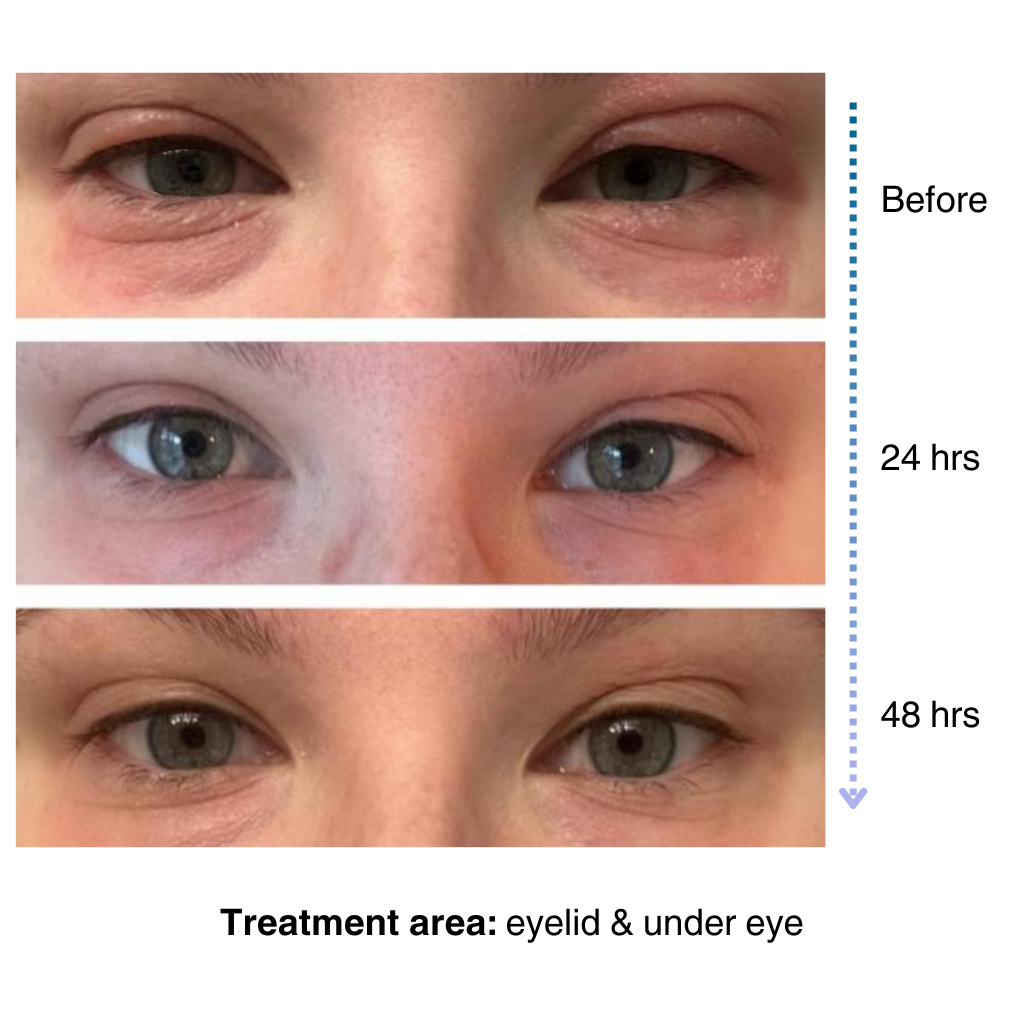
It’s easy to apply and isn’t chalky at all. I’ve been applying it multiple times a day… I’ve tried multiple new products to try and treat my eye eczema, and this is definitely the best I’ve tried so far.

"Game-changer for my son's eczema"

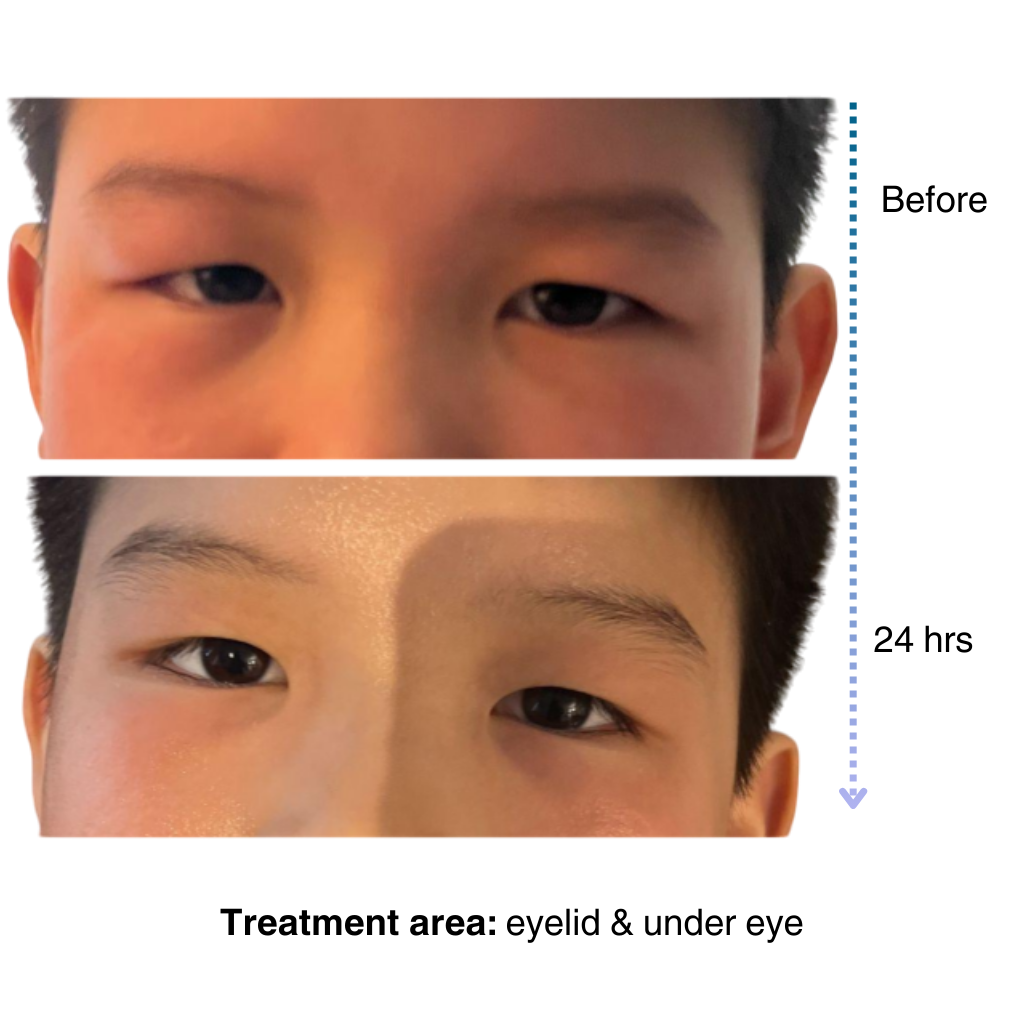
My 7-year old son has been dealing with eczema on his face for a long time, and it’s been so tough to find something that really works…..I’m amazed by the results! Within one day, the redness and rough patches on his face significantly improved…. he doesn’t mind using it at all because it doesn’t sting or feel greasy. – Lily
Newsletter Signup

Like many of you, our eczema journey is personal. That’s why we’re committed to creating a space for the eczema community to share experiences, be empowered through evidence-based solutions, and learn practical tips for daily life.  

– Sajjad, Founder & CEO of NellaDerm

Eczema treatment
Shopping Cart