
Eczema concerns?
FREE
Get instant expert guidance with our smart AI platform.
Join NowNiacinamide (vitamin B3) is a gentle, fragrance-free ingredient prized for its barrier-repair, anti-inflammatory, and ceramide-production benefits. These effects directly target foundational problems in eczema, namely, disrupted lipid barrier, inflammation, and increased transepidermal water loss (TEWL).
Over the past decade, research in both healthy and eczema-prone populations has consistently shown that niacinamide:
Two strengths are commonly studied and marketed: 2%, which is typically included in broader formulas, and 5%, which appears in higher-potency serums. Understanding the difference matters, because if your skin is reactive, jumping to a high dose too quickly may sting.
Clinical data in eczema are somewhat limited, but several key studies offer insight:
Conclusion: 2–4% niacinamide offers a solid balance of efficacy and tolerability. 5% may be helpful for tougher flares or dry patches, but it is more likely to sting marginally, especially on delicate or already irritated skin.
Niacinamide also stabilizes oil-based formulas and pairs well with humectants, antioxidants (e.g., vitamin E or resveratrol), and even gentle acids when tolerance allows.
Skin Area | Recommended Strength | Notes |
Eyelids, neck folds | 2% | Always patch test—thin skin is more reactive |
Face (general) | 2–4% | Standard range tolerated by most eczema‑prone faces |
Hands, elbows, feet | 4–5% (targets only) | Apply on very dry or thickened areas; skip over fissures |
Body (trunk/legs) | 2–4% | Pair with rich cream for full coverage |
Oozing or infected areas | None (wait until healed) | Use only restorative barrier care in the interim |
To maximize benefit and minimize irritation:
Week 0 (Baseline):
Week 1–2 (2–4% test):
If no irritation and noticeable improvement in symptoms, continue.
Week 3–4 (optional 5% trial):
After Week 4:
When selecting niacinamide products:
Alexis suffers from hand eczema flares during winter commute days. She started using a 4% niacinamide hand serum after evening cleansing and before applying a thick cream. Within a week, cracks reduced and her skin felt more supple.
In one week where heat and stress triggered a flare despite niacinamide, she switched hands to 5% niacinamide over targeted dry spots, with good effect and no irritation. By week 4, she had locked into 4% for face and body, 5% sparingly on hands, and managed to avoid steroids 80% of the month.
Strength | Best Use Case | Tolerance Profile |
2%–4% | Daily barrier support for face/body | Excellent for most |
5% | Targeted on thick calloused or dry patches | Slightly higher risk of sting |
For facial eczema or sensitive skin needs, consider pairing niacinamide with protocols like tight, fragrance-free skincare layering: Skin Minimalism: Simplify Your Eczema Routine
Research supports that niacinamide strengthens barrier function and reduces inflammation—two foundational eczema needs. While 2%–4% offers excellent daily support, 5% can serve as a tactical boost for problem areas. Start low, track skin response, and integrate into an overall eczema regimen grounded in barrier repair.
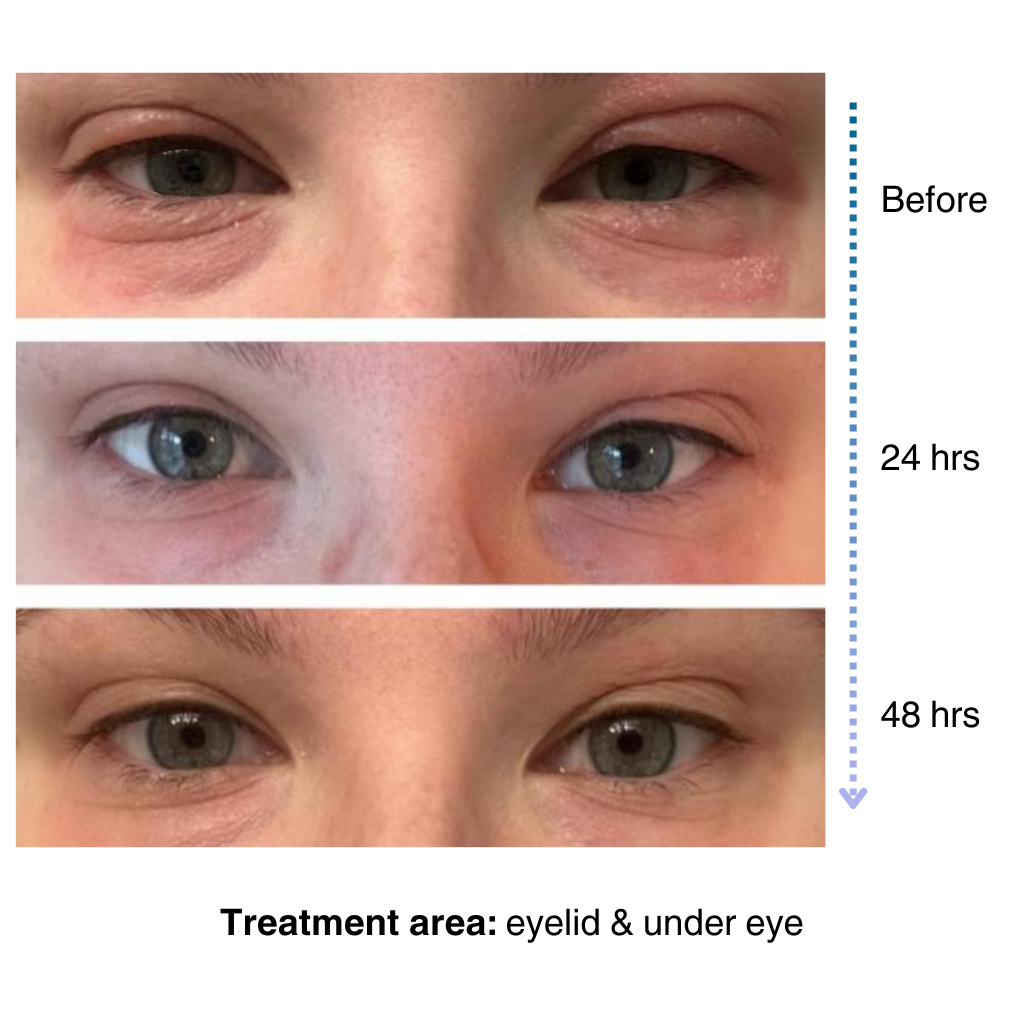
It’s easy to apply and isn’t chalky at all. I’ve been applying it multiple times a day… I’ve tried multiple new products to try and treat my eye eczema, and this is definitely the best I’ve tried so far.
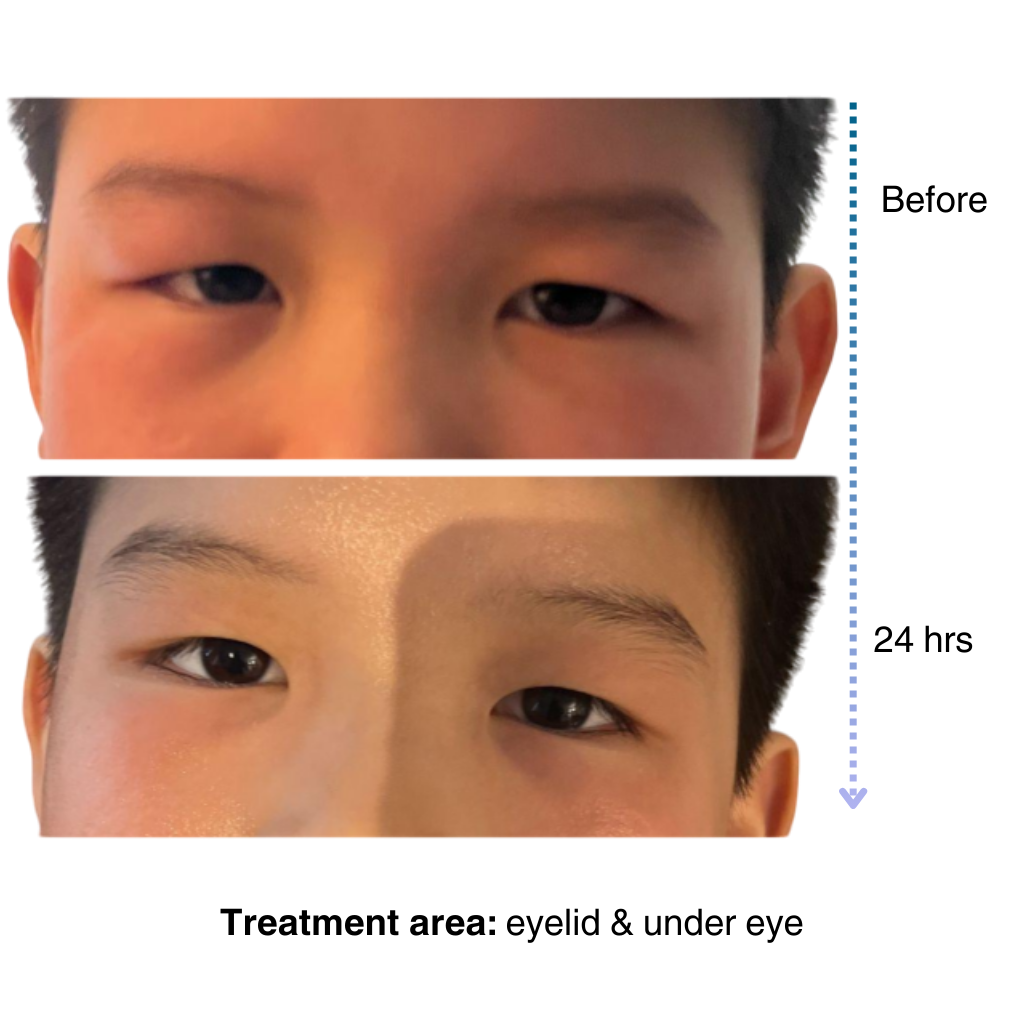
My 7-year old son has been dealing with eczema on his face for a long time, and it’s been so tough to find something that really works…..I’m amazed by the results! Within one day, the redness and rough patches on his face significantly improved…. he doesn’t mind using it at all because it doesn’t sting or feel greasy. – Lily

Get expert advice, exclusive offers, and real stories from people who understand your journey.
Start your skincare journey with an exclusive discount
Practical advice for managing sensitive and eczema-prone skin
Be the first to try our latest technology and product releases
Get 10% off your first order when you sign up
Secure & Private
Instant Access
Premium Content
Like many of you, our eczema journey is personal. That’s why we’re committed to creating a space for the eczema community to share experiences, be empowered through evidence-based solutions, and learn practical tips for daily life.
– Sajjad, Founder & CEO of NellaDerm
