Occupational Eczema: Hand-Saving Protocols for Workers

Hands take the hit at work—hours of water, cleansers, gloves, oils, dyes, and disinfectants. The result is occupational eczema that cracks, burns, and keeps coming back. Good news: most workplace flares improve when you tighten three things—exposure control, glove strategy, and a rinse–dry–seal routine. A strong evidence base in NIH links “wet work” (water, washing, and occlusive gloves) to hand dermatitis; meanwhile, modern data show alcohol-based hand rubs (with emollients) are usually kinder than repeated soap cycles when hands are not visibly dirty. 
occupational eczema

The Essentials In One Minute

  • Wet work = risk. More than ~2 hours/day of wet hands, >20 washes, or >2 hours in occlusive gloves spikes hand eczema risk. Plan around those limits. 
  • Sanitize when you can, wash when you must. Use alcohol-based hand rubs with emollients between necessary soap-and-water washes; moisturize after every dry.
  • Gloves are tools, not ticketed hand saunas. Choose nitrile over latex; ask for accelerator-free styles if you get rashes at the cuffs or webs; never glove wet hands; change damp gloves quickly. 
  • Suspect preservatives, dyes, and biocides. Isothiazolinones in water-based products (including metalworking fluids and some cleaners) remain top occupational allergens.
  • Patch test sooner, not later. Many job-relevant allergens are missed by basic screening; ask for expanded panels and testing with your actual products.

Keep a pocket tube of fragrance-free moisturizer. A simple, steroid-free option that layers well is NellaCalm Steroid-Free Eczema Cream.


The Workday Hand-Care Loop (Copy This)

  1. Before a task
    • Clean and dry hands, apply a pea-size moisturizer on backs of hands, and let absorb 60 seconds.
    • Put on gloves only when hands are fully dry.
  2. Between tasks / rooms
    • If not visibly soiled, sanitize (ABHR with emollients), air-dry, rice-grain moisturizer on backs.
    • If soiled, lukewarm wash, rinse thoroughly, pat dry, moisturize, then re-glove.
  3. After shift
    • One lukewarm wash, pat dry, and thoroughly moisturize (including wrists and webs).
    • Launder reusable textiles fragrance-free, smallest effective dose, extra rinse.

Red Flags That Scream “Allergic Contact Dermatitis”

  • Sharp cut-off at wrist under glove cuffs: suspect rubber accelerators (thiurams, carbamates, MBT, etc.). Ask for accelerator-free nitrile. 
  • Eyelids/neck flare on workdays: airborne or transfer from hair dyes, sprays, or MWF aerosols.
  • Rash worse 1–3 days after exposure and spreading beyond contact zone: likely allergic rather than purely irritant; push for expanded patch testing that includes workplace chemicals and your own products. 

Hairdressers: Color, Lighteners, Wet Work—And How To Work Safer

Top exposures

  • p-Phenylenediamine (PPD) & dye intermediates (colors, toners)
  • Persulfates (bleaches), fragrances, preservatives (incl. isothiazolinones)
  • Constant wet work (shampooing, rinsing)

Reviews highlight high rates of irritant and allergic dermatitis in hairdressers and apprentices; prevention hinges on exposure control and glove discipline.


Safer workflow

  • Color & bleach: wear nitrile gloves (double-glove for long processes), change with each client or when damp; keep wrists covered.
  • Shampooing: rotate duties, use a spray-on applicator and tepid water; apply a thin moisturizer film on wrists before back-to-back washes.
  • Tool hygiene: wipe bowls/brushes with minimal aerosolization; avoid fragranced cleaners.
  • Aftercare: rinse, pat to damp, moisturize; repeat after lunch.

If rashes persist: ask for patch testing that includes PPD, persulfates, fragrance mixes, MI/MCI, rubber accelerators, and your exact salon products. Expanded panels catch what basic screens miss. 


Mechanics & Metalworkers: Oils, Coolants, And Biocides

Top exposures

  • Metalworking fluids (MWFs): water-based coolants often preserved with isothiazolinones or formaldehyde-releasers; aerosol and splash contact are common.
  • Oils, cutting fluids, solvents, degreasers: strong irritants.

MWFs are well-documented causes of irritant and allergic contact dermatitis in metalworkers; contact sensitization data show metals and fluid additives as frequent culprits.


Safer workflow

  • Gloves: nitrile appropriate to oils/solvents; accelerator-free options if glove-pattern rash; change out as soon as damp or contaminated.
  • Skin protection: apply a thin moisturizer to backs of hands before gloves; never trap cleanser or sweat—dry fully first.
  • Fluid management: prefer closed systems or splash guards; maintain MWFs to spec to limit microbial growth and biocide “top-ups.”
  • Cleaning: use the least harsh degreaser that works; rinse and moisturize right after.
  • Records & testing: save SDS sheets for every fluid and cleaner; bring them to patch testing so isothiazolinone subtypes (MI, MCI/MI, benzisothiazolinone, octylisothiazolinone) can be included. Recent reviews show rising cases from non-cosmetic isothiazolinone sources such as MWFs and paints.

Food Workers: Water, Citrus, Spices, And Occlusion

Top exposures

  • Wet work (constant washing), detergents/disinfectants, prolonged glove wear, acidic and spicy food juices (citrus, tomatoes, chili), and food-area sanitizers. Guidance for catering shows these as core drivers of hand dermatitis. 

Safer workflow

  • Hand hygiene: default to ABHR when not visibly soiled; soap-and-water for soil and restroom use; moisturize after every dry. Systematic reviews find washing frequency, not ABHR, tracks most with hand eczema risk.
  • Gloves: non-powdered nitrile; change between tasks and whenever damp; never glove wet hands.
  • Food prep: use tools (tongs, spoons) for acidic/spicy items; rinse splashes off quickly; pat dry, re-seal.
  • End-of-shift: one lukewarm wash, pat dry, and apply rich moisturizer; overnight cotton liners can help severe dryness.

Your Patch-Testing Game Plan

  • When: adult-onset hand eczema, glove-edge distribution, recalcitrant “eczema” despite perfect routine, or flares tied to specific stations or products.
  • What to ask for: expanded series (e.g., ACDS/NACDG) plus your own products/samples (gloves, fluids, dyes, disinfectants). Studies show 26–50% of responsible occupational allergens are missed by screening sets alone. 
  • Why it matters: knowing exact accelerators (thiuram vs carbamate), which isothiazolinone, or a particular fragrance mix unlocks targeted substitutions rather than guesswork. Recent North American data continue to flag MI/MCI among the most common positives. 

For a deeper dive into daily hand tactics, see: Eczema on Hands Treatment: How to Heal, Soothe, and Prevent Flare-Ups


Troubleshooting: Fast Reads Of Common Patterns

Sharp, itchy band where glove ends
Think rubber accelerators. Trial accelerator-free nitrile from a different manufacturer; bring old and new glove boxes to patch testing. 


Rash worsens 24–72 hours after “good” hygiene
Likely allergic (preservatives/fragrance) rather than pure irritant. Push for expanded testing with your workplace products. 


Hands better on vacation but crack within days back at work
Classic occupational eczema from wet work/occlusion; tighten the sanitize-when-possible strategy and enforce the after-every-dry moisturize habit. 


Grease-exposed skin feels tight and shiny
Irritant contact from solvents/oils; upgrade glove/guard use and moisturize immediately after degreasing. 


The Two-Week Reset (Works Across Jobs)

Days 1–3: Control exposure

  • Swap to ABHR between tasks; reserve soap for visible soil.
  • Start before/ between/ after loop (above).
  • Trial accelerator-free nitrile if you suspect glove allergy. 

Days 4–7: Product audit

  • List everything touching your hands (fluids, dyes, wipes, cleaners).
  • Mark water-based products likely preserved with isothiazolinones; minimize direct skin contact. 

Days 8–14: Formalize testing

  • Ask occupational health/dermatology for expanded patch testing and bring SDS sheets plus physical samples.
  • Photograph hands daily in the same light; note tasks that spiked itch or fissures.

Final Thoughts

Occupational eczema improves when you control wet work, choose the right gloves, and lock in moisture after every dry. Hairdressers should target dye/bleach contact and relentless water exposure; mechanics must manage MWFs, oils, and biocides; food workers need a sanitize-over-wash habit and fast glove changes. If your rash maps to cuffs, wrists, or specific stations—or it rebounds days after exposure—ask for expanded patch testing with your real-world products. Precision beats trial-and-error, and your hands can recover without derailing your career.

Frequently Asked Questions

Is “accelerator-free” marketing reliable?
Usually, but not perfectly. Trace accelerator contamination has been reported even in “accelerator-free” gloves; if your rash persists, trial a different brand and still request patch testing.


Which is better for my hands, sanitizer or soap?
When hands are not visibly soiled, alcohol-based hand rubs with emollients are generally better tolerated than frequent soap cycles. Wash with soap for dirt/grease, then moisturize after drying. 


What allergens are most common at work?
Across occupations: nickel, fragrance mixes, isothiazolinones, and rubber accelerators are frequent positives; sector-specific culprits include PPD/persulfates (hairdressing) and MWF preservatives (mechanical/metalwork). 


Can I heal while staying in my job?
Often yes—if exposures are identified and modified. Even small reductions in wet work or glove occlusion can speed healing; when exposure cannot be changed, formal accommodations may be needed.

Explore the Eczema Knowledge Hub

Your go-to resource for flare-up relief, skincare tips, and science-backed advice.

"...this is the best I've tried so far."

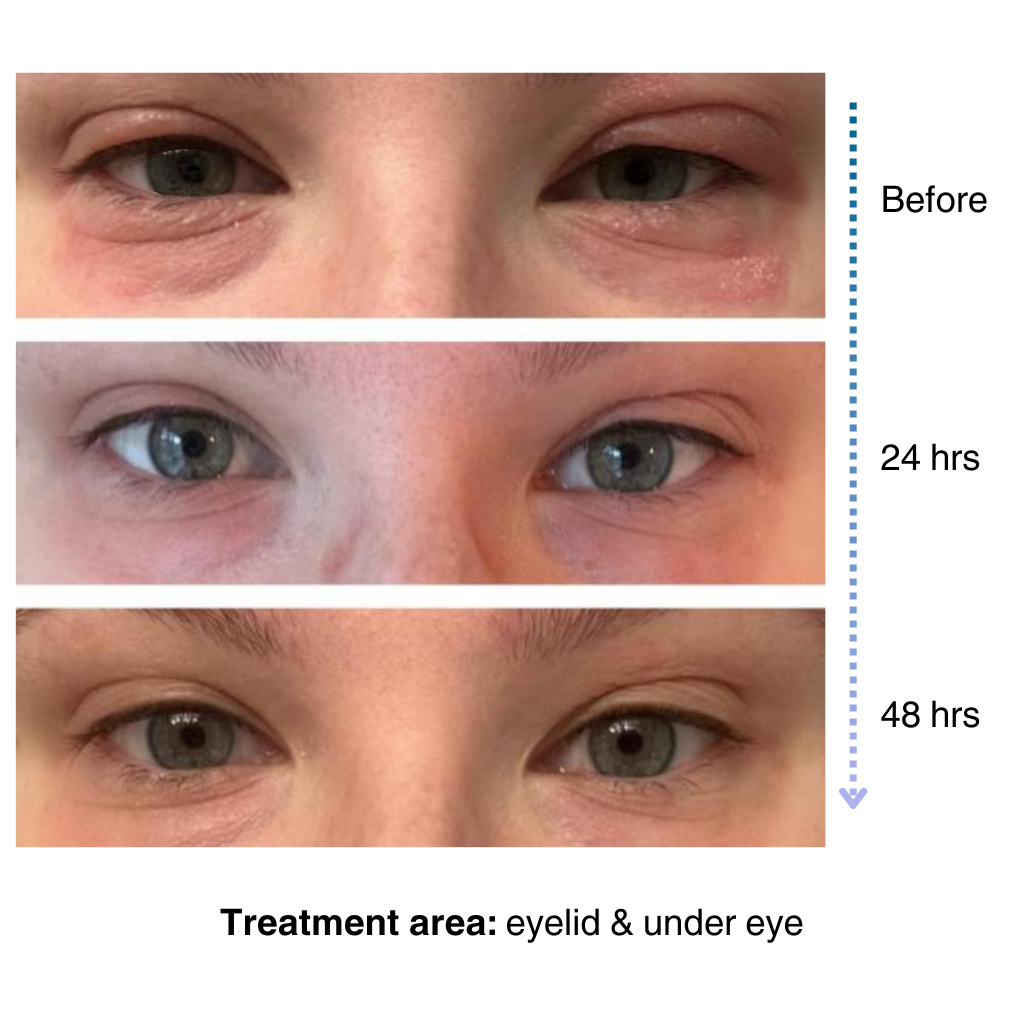
It’s easy to apply and isn’t chalky at all. I’ve been applying it multiple times a day… I’ve tried multiple new products to try and treat my eye eczema, and this is definitely the best I’ve tried so far.

"Game-changer for my son's eczema"

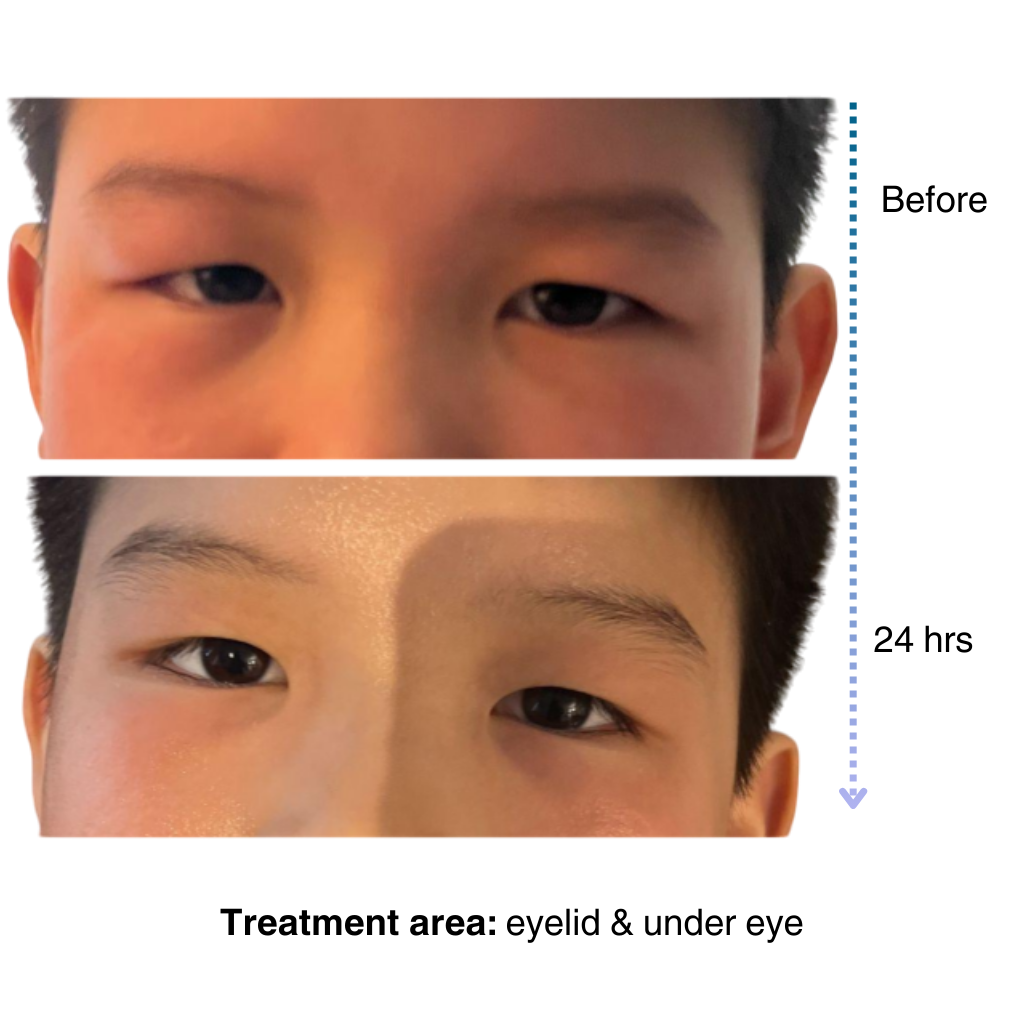
My 7-year old son has been dealing with eczema on his face for a long time, and it’s been so tough to find something that really works…..I’m amazed by the results! Within one day, the redness and rough patches on his face significantly improved…. he doesn’t mind using it at all because it doesn’t sting or feel greasy. – Lily
Newsletter Signup

Like many of you, our eczema journey is personal. That’s why we’re committed to creating a space for the eczema community to share experiences, be empowered through evidence-based solutions, and learn practical tips for daily life.  

– Sajjad, Founder & CEO of NellaDerm

Eczema treatment
Shopping Cart