Eczema concerns?
FREE
Get instant expert guidance with our smart AI platform.
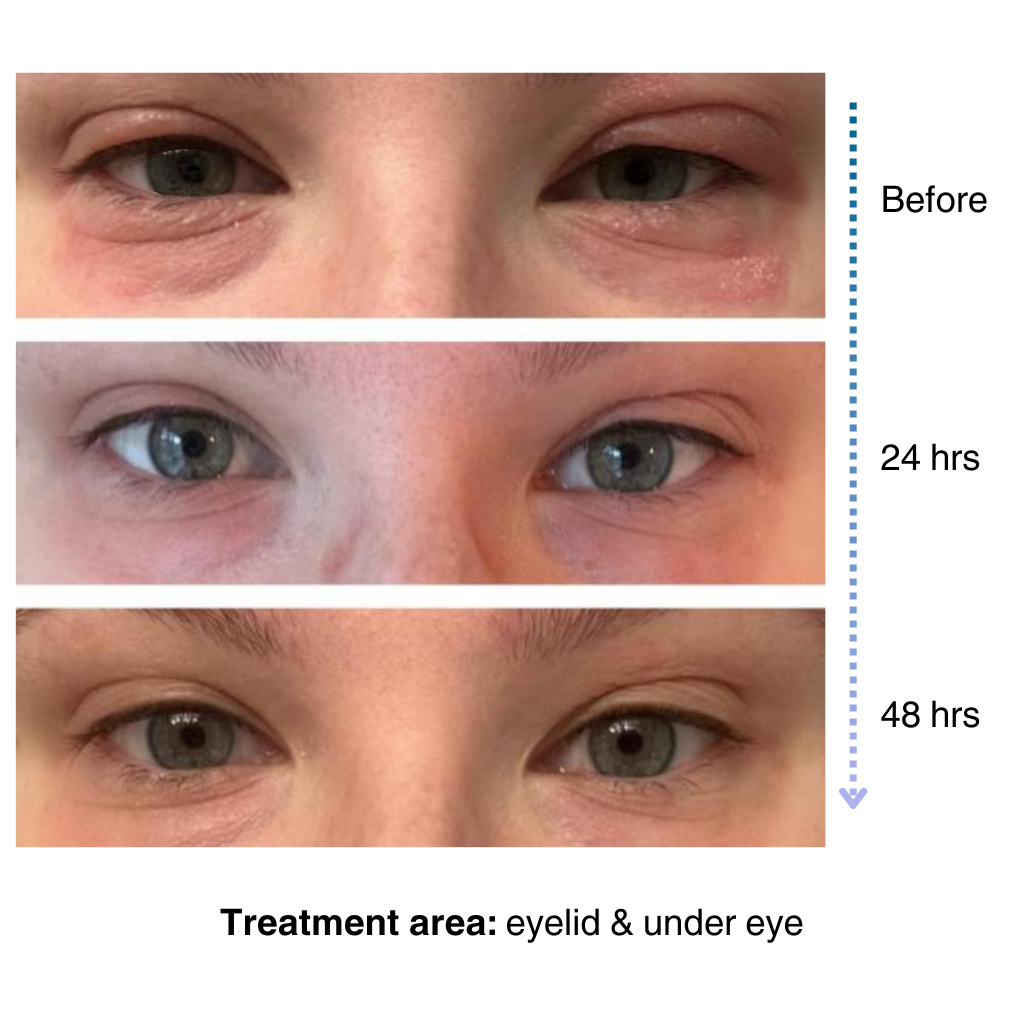
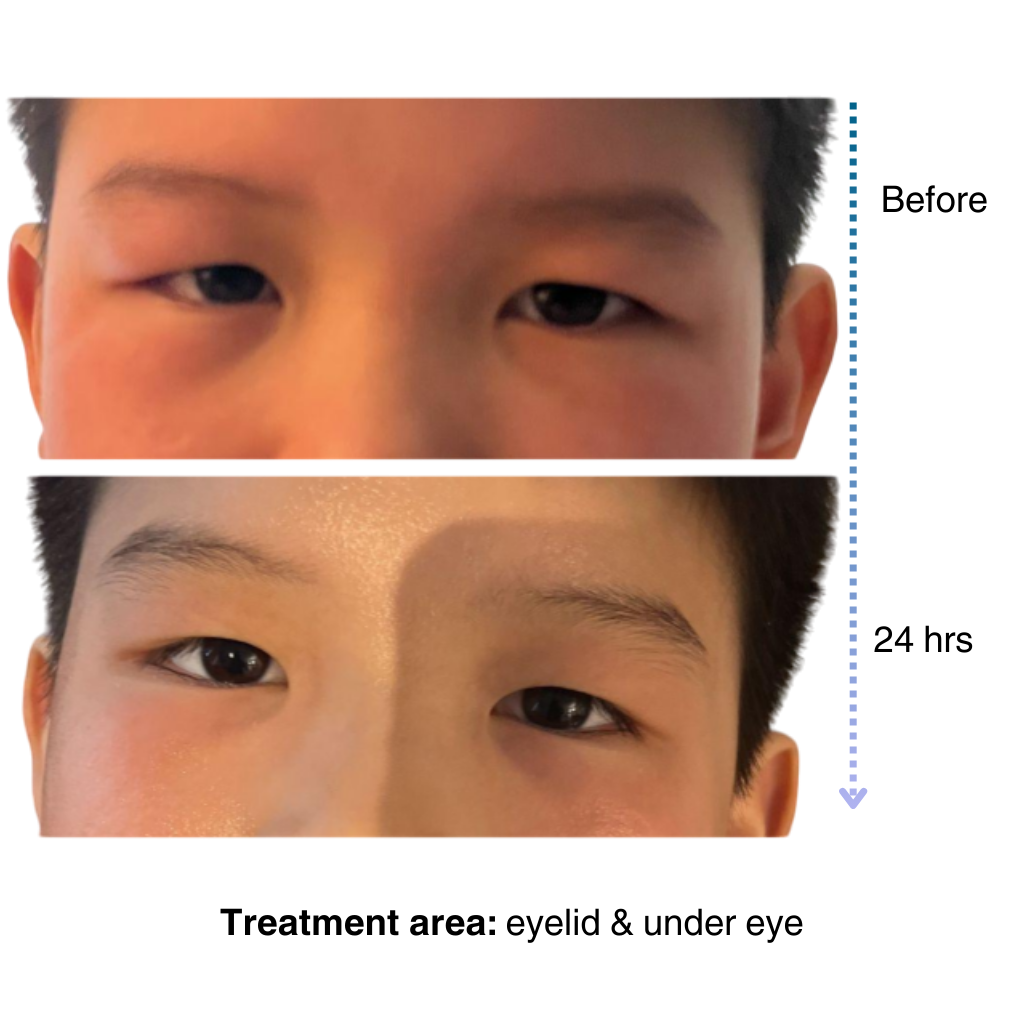
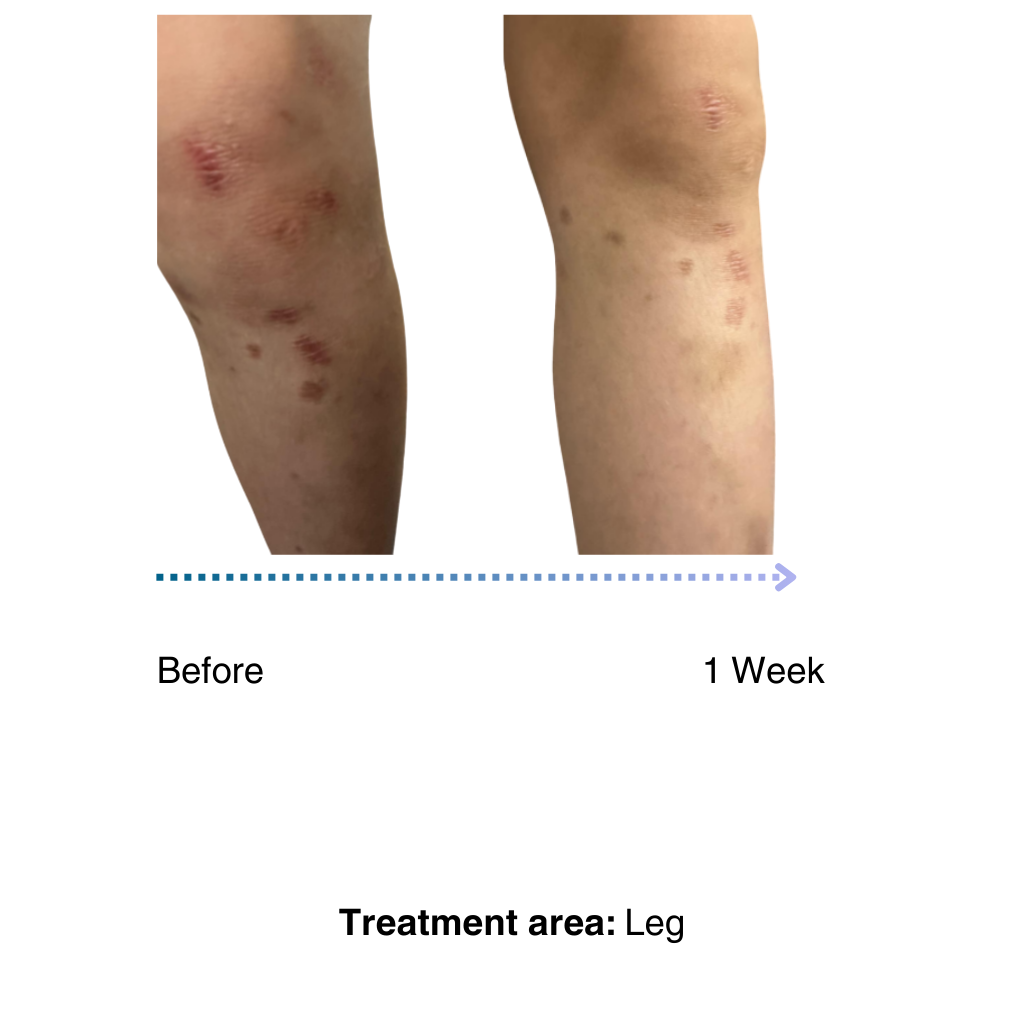
Join NowEczema, particularly the most common type, atopic dermatitis, can often feel like an unpredictable and frustrating skin condition. One day your skin seems calm, healed, and comfortable—and the next, you are dealing with a fresh wave of itchy, inflamed, and painful red patches. This erratic behavior is often the clearest sign that you are being exposed to an invisible, external trigger. If you have already tried changing your moisturizers, eliminating harsh soaps, and switching laundry detergents without achieving lasting relief, patch testing for eczema may provide the definitive answers you need to take control of your condition.

The rash associated with allergic contact dermatitis, a specific type of eczema, is not like a quick food allergy or contact hives. Instead, it is a slow building, delayed reaction triggered by substances you may be exposed to every single day—think common fragrance chemicals, cosmetic preservatives, metal alloys in jewelry, or rubber additives. Patch testing is the only validated, specialized tool that can definitively detect which of these sneaky substances are responsible for fueling your persistent and frustrating eczema flares. It represents a vital step in moving beyond symptom management to genuine trigger avoidance.
Patch testing is a specialized diagnostic tool used by dermatologists and allergists to identify delayed allergic reactions, scientifically known as a Type IV hypersensitivity reaction. This process is entirely different from the instant reactions tested by skin prick tests, which focus on immediate allergies like those caused by pollen or certain foods.
The procedure is straightforward but requires patience: a clinician applies small, measured amounts of potential allergens onto your upper back. These samples are secured using special patches and hypoallergenic tape and remain on your skin for a period of 48 hours. After the patches are removed, your skin is carefully evaluated multiple times over several days. This extended evaluation time is critical because allergic contact dermatitis, the type of reaction being tested for, can take anywhere from 48 to 96 hours to fully manifest.
Patch testing is the gold standard diagnostic for eczema that exhibits specific characteristics:
The goal is not to suppress the rash, but to deliberately induce a mild, controlled reaction so the doctor can observe exactly what your immune system is fighting.
For many years, the standard treatment for eczema focused solely on improving the skin barrier and reducing inflammation. However, modern dermatology recognizes that many eczema patients are unknowingly reacting to a hidden culprit known as allergic contact dermatitis (ACD). This ACD is often caused by common allergens that infiltrate the compromised skin barrier.
These exposures can precisely mimic the symptoms of atopic dermatitis, or, more commonly, they can act as an additional irritant, making long term symptom control nearly impossible. The exposure zones are everywhere:
This overlap between chronic atopic dermatitis and allergic contact dermatitis is surprisingly common. A peer reviewed article published in the Journal of the American Academy of Dermatology found that a significant percentage of patients diagnosed with chronic atopic dermatitis also had ACD confirmed by patch testing. For these individuals, treating the eczema without identifying the underlying contact allergy is like trying to empty a bathtub while the faucet is still running. The key to lasting improvement is avoidance, which starts with accurate diagnosis.
The specific patch test series can vary depending on your doctor and your job or hobby exposure history. However, most standard tests cover the most prevalent environmental and product allergens. A typical test may include anywhere from 20 to 80 substances, sometimes more, as part of a specialized series.
| Allergen Type | Common Sources and Triggers |
|---|---|
| Fragrances | Soaps, lotions, deodorants, perfumes, fabric softeners, air fresheners. Fragrance Mix I and II are standard tests. |
| Preservatives | Found in lotions, makeup, wet wipes, shampoos. Examples include Methylisothiazolinone (MI), Formaldehyde releasers, and Parabens. |
| Metals | Nickel (the most common cause of contact dermatitis, found in jewelry, belt buckles, cell phones), Cobalt (dyes, plating), Chromium (leather tanning, cements). |
| Rubber Additives | Gloves (e.g., thiurams or carbamates in latex or nitrile), elastic in clothing, shoes, sports gear, car tires. |
| Topical Medications | Common ingredients in over the counter or prescribed creams like Neomycin and Bacitracin (in antibiotic ointments), or various corticosteroids. |
| Vehicle Components | Ingredients that make up the base of moisturizers or topical treatments, such as Lanolin (wool wax), Propylene Glycol, and different types of emulsifiers. |
| Dyes and Resins | Hair dyes (PPD), clothing dyes, epoxy resins (adhesives, protective coatings, nail polish). |
The patch testing process is usually spread over three to four appointments within one week, making it a commitment, but one with potentially life changing results.
Small, pre measured amounts of the test allergens are placed into application chambers and then secured to your upper back using hypoallergenic tape. The doctor maps the exact location of each allergen. For the next 48 hours, you will be strictly advised not to sweat, swim, shower, or engage in any activity that could disturb or loosen the patches. Keeping the patches dry is essential for an accurate test.
You return to the clinic, the patches are removed, and the skin is evaluated. The doctor will look for the initial signs of a reaction: redness, swelling, small bumps (papules), or blistering at each test site. The sites are usually marked with a pen to ensure the doctor can find the exact spots later.
You return for a second, and often final, evaluation. Some allergic reactions, particularly those related to topical steroids or certain metals, take several days to fully develop. This delayed reading is crucial for catching all potential allergies. The doctor records any positive reactions and their severity.
Note: Patch testing is non invasive and entirely painless, though you may feel temporary itchiness, irritation, or mild discomfort at the sites where you have a positive reaction. This is temporary and simply confirms your allergy.
Patch testing is not necessary for every eczema patient, but it is highly recommended for those who fall into these categories:
Caution: While some at home versions of patch testing (like the T.R.U.E. Test) are available, they cover significantly fewer allergens and lack the professional interpretation of a board certified dermatologist. An in clinic test is always recommended because the specialist can tailor the patch series based on your unique history and lifestyle exposures, making the results far more accurate and actionable.
A positive patch test result is not a diagnosis of doom; it is a diagnosis of empowerment. If you are diagnosed with allergic contact dermatitis, your doctor will provide a detailed, life changing action plan:
Many people notice a significant and rapid improvement in their eczema within weeks or months of implementing allergen avoidance. That is why identifying triggers—rather than merely suppressing the constant cycle of inflammation—is the most powerful step toward long term clear skin.
A professional interpretation is essential due to the phenomenon of cross reactions. Some ingredients share similar chemical structures, meaning if you react to one, you may react to others not explicitly tested. For example, an allergy to Balsam of Peru (a natural resin) often signals a cross reactivity to specific synthetic fragrance mixes, cinnamon, or even certain food flavorings. Knowing these connections is key to effective avoidance. For help reading and deciphering complex product labels, refer to our beginner’s guide: How to Read Skincare Labels for Eczema.
Patch testing is not just for diagnosing a rare rash; it is a powerful, underutilized tool in the management of chronic, persistent eczema. Identifying and then completely avoiding the hidden triggers in your daily life can break the debilitating cycle of inflammation, reduce your reliance on topical steroids, and allow your skin to finally recover. If your eczema is not improving, or if you constantly suspect that certain products or materials might be making things worse, do not wait. Ask your dermatologist about patch testing. It could be the single most important missing piece in your entire journey to achieving clearer, calmer, and more comfortable skin.
Would you like me to detail the list of common ingredients to avoid, such as specific parabens and formaldehyde releasers, to help you check your current product labels?