
Eczema concerns?
FREE
Get instant expert guidance with our smart AI platform.
Join NowThe skin around your mouth is thin, highly mobile, and constantly exposed to saliva, food, toothpaste, and lip products. That is a perfect storm for perioral eczema—redness, stinging, scaling, tiny fissures at the corners, and an itch that gets worse every time you lick to “soothe” it. The good news: most flares in this area have fixable causes. A few smart swaps in toothpaste and lip care, plus a short reset routine, can quiet the cycle and keep it calm.
Perioral rashes can look like several things: true atopic eczema, perioral dermatitis (more of a papular, acne-like eruption), or allergic contact dermatitis from products. If bumps and burning cluster around the mouth with sparing of the immediate vermilion border and fold lines, perioral dermatitis may be in the mix; it is common and treatable, but routines still matter for comfort.
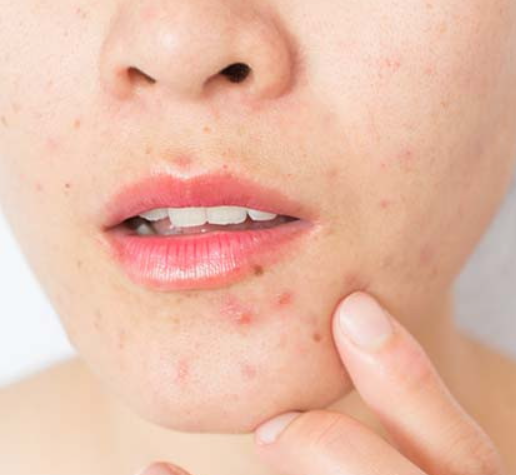
How it flares you: You brush, flavor oils and detergents touch the cutaneous lip and perioral skin, saliva spreads them further, and micro-irritation keeps the area red and itchy long after you rinse. Repeated several times a day, the barrier never fully recovers.
Saliva is not a moisturizer. Its enzymes and the wet-dry cycle strip water from the stratum corneum, creating a self-perpetuating ring of inflammation known as lip-licker’s dermatitis which is a frequent contributor to perioral eczema in kids and adults.
Fragranced balms, essential oils, flavorings, menthol, camphor, and some sunscreen actives can sting compromised skin. “Tingle” equals trouble here. Fragrance and flavor are top allergens in the perioral region—especially when you also react to minty toothpaste.
If you want a single, barrier-focused option that layers well and avoids fragrance, consider NellaCalm Steroid-Free Eczema Cream for the perioral edge (not on the pink lip).
Start here for two weeks:
Label checklist
Why the fuss about mint flavors? Flavorings are the leading cause of toothpaste-related contact reactions; multicenter and review data repeatedly implicate mint derivatives (including carvone) and cinnamon.
Days 1–3: Calm the zone
Days 4–7: Remove other irritants
Days 8–14: Rebuild and test
Bring photos from your worst days, your toothpaste box, and a list of lip products to your visit—it shortens the detective work.
Red, burning ring that worsens after every brush
Think SLS or flavor irritant/allergy. Switch to unflavored, SLS-free paste and protect the border with a cream before brushing. If it improves within a week, you are on the right track.
Corners cracking again and again
Often saliva exposure plus flavor/fragrance. Intensify nighttime occlusion and keep flavors out until healed.
Papules around the mouth but sparing the lip edge
Consider perioral dermatitis; avoid topical steroids on the face unless specifically directed and ask your clinician about alternatives.
Immediate “mint burn,” watery eyes
Likely flavor intolerance; mint oils and carvone are frequent triggers. Choose unflavored pastes and flavor-free lip care.
Kids who constantly lick
Teach the “dab, not lick” rule: every time they want to lick, dab balm instead. Short nails and a bedtime occlusive layer help break the habit loop.
Most perioral eczema is fixable with targeted swaps and a short reset. Remove flavor and SLS pressure from toothpaste, stop the lip-licking cycle with a pocket balm, protect the border before and after brushing, and keep leave-on lip products fragrance- and flavor-free. If flares persist, ask for patch testing, especially to mint derivatives like l-carvone, so you can shop confidently and keep the area calm.
Should I stop fluoride to help my perioral eczema?
Generally no. Fluoride protects teeth and is a less common skin trigger than flavors or SLS. Start with unflavored, SLS-free options before considering more drastic changes.
Are “natural” lip balms better?
“Natural” often means essential oils and flavorings that can irritate or sensitize. For perioral eczema, fragrance- and flavor-free balms win.
Can I ever go back to mint?
Maybe. Once calm for a few weeks, try a very mild mint or vanilla-mint for 72 hours while protecting the border with a cream. If any sting or redness returns, retire mint for good and ask about patch testing for carvone.
What about whitening strips?
They can be irritating around the mouth. If you use them, protect the corners with a thin barrier layer and wipe the perioral skin with water after removal.
It’s easy to apply and isn’t chalky at all. I’ve been applying it multiple times a day… I’ve tried multiple new products to try and treat my eye eczema, and this is definitely the best I’ve tried so far.
My 7-year old son has been dealing with eczema on his face for a long time, and it’s been so tough to find something that really works…..I’m amazed by the results! Within one day, the redness and rough patches on his face significantly improved…. he doesn’t mind using it at all because it doesn’t sting or feel greasy. – Lily
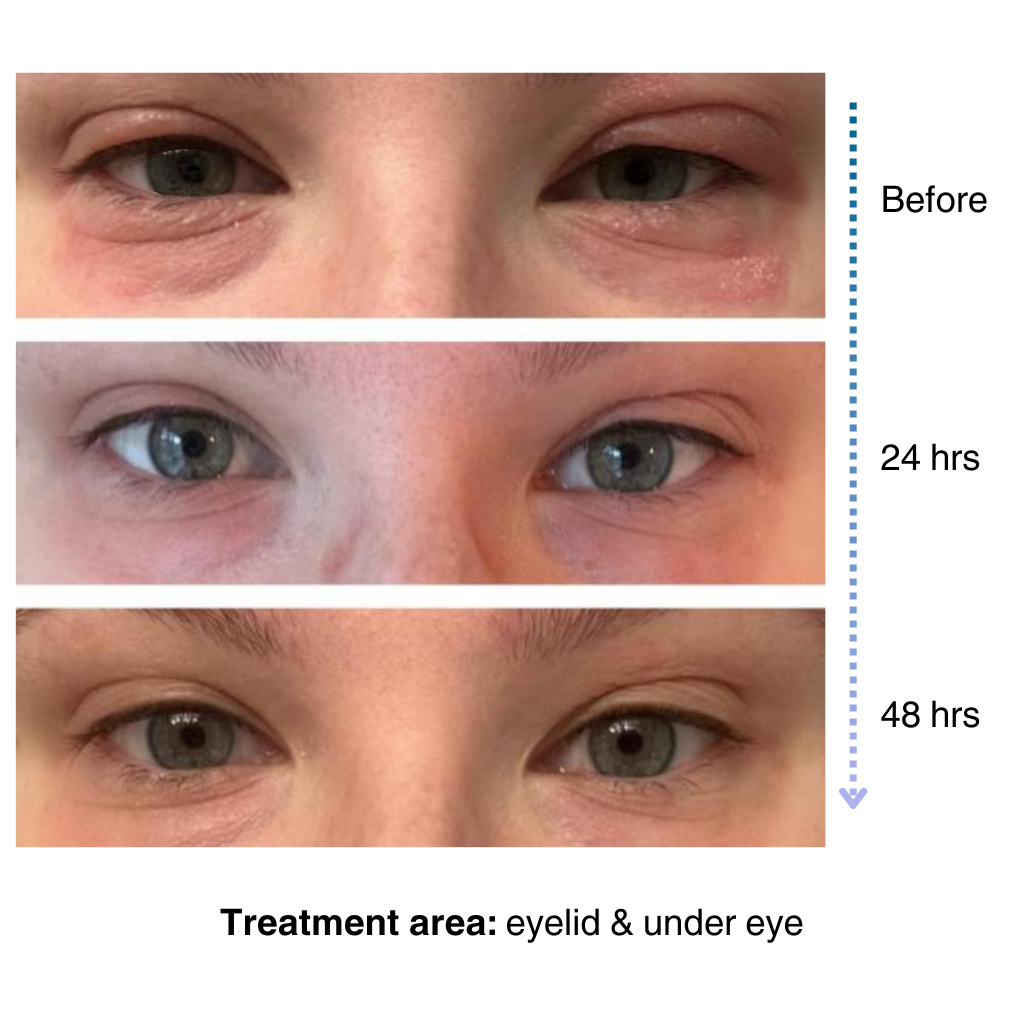
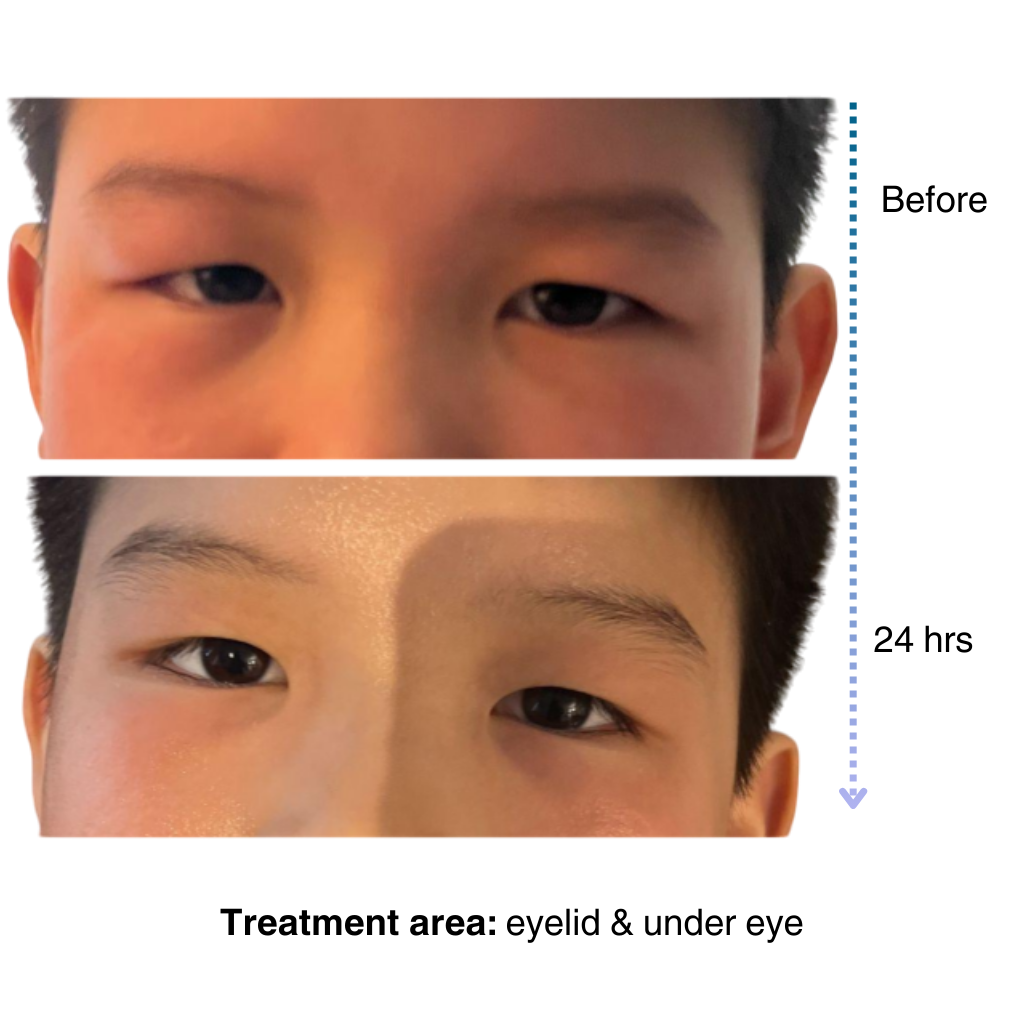

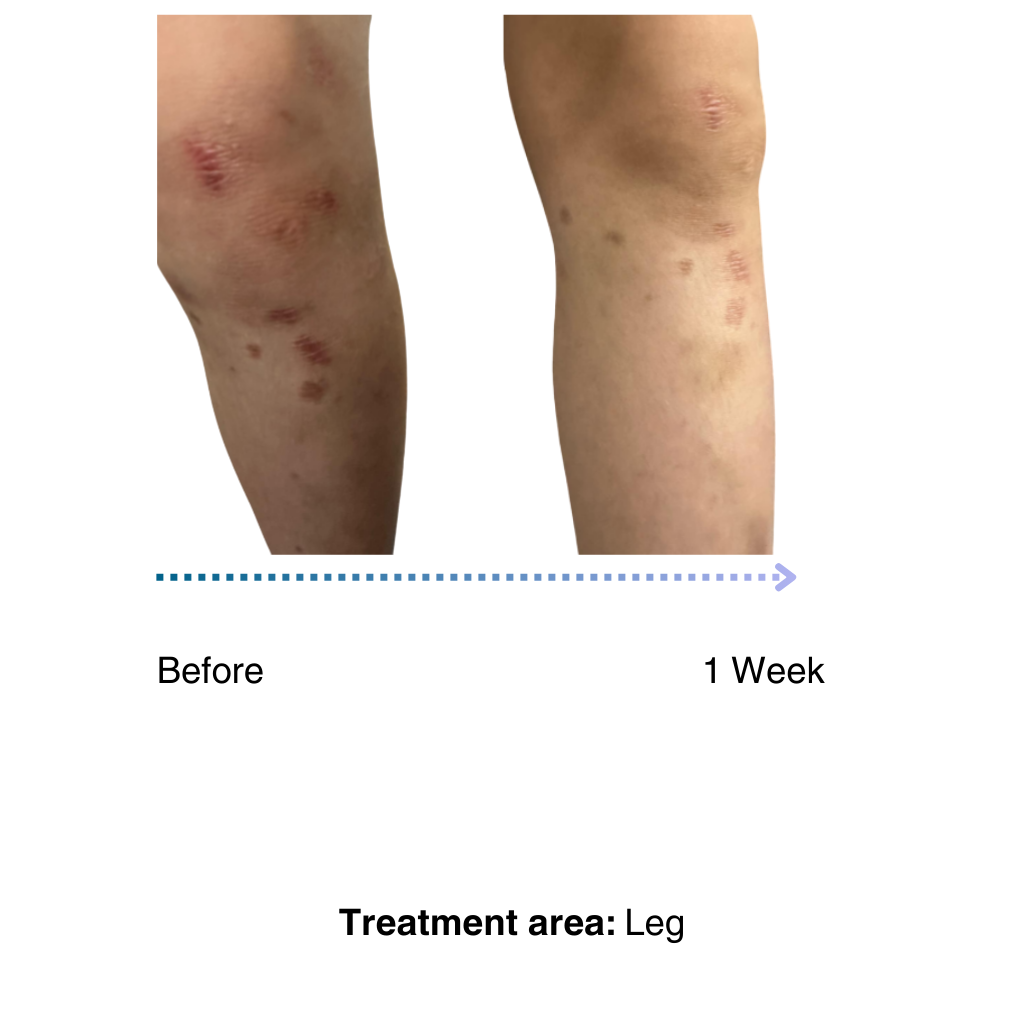
Get expert advice, exclusive offers, and real stories from people who understand your journey.
Start your skincare journey with an exclusive discount
Practical advice for managing sensitive and eczema-prone skin
Be the first to try our latest technology and product releases
Get 10% off your first order when you sign up
Secure & Private
Instant Access
Premium Content
Like many of you, our eczema journey is personal. That’s why we’re committed to creating a space for the eczema community to share experiences, be empowered through evidence-based solutions, and learn practical tips for daily life.
– Sajjad, Founder & CEO of NellaDerm

We noticed you're visiting from United States (US). We've updated our prices to United States (US) dollar for your shopping convenience. Use Canadian dollar instead. Dismiss