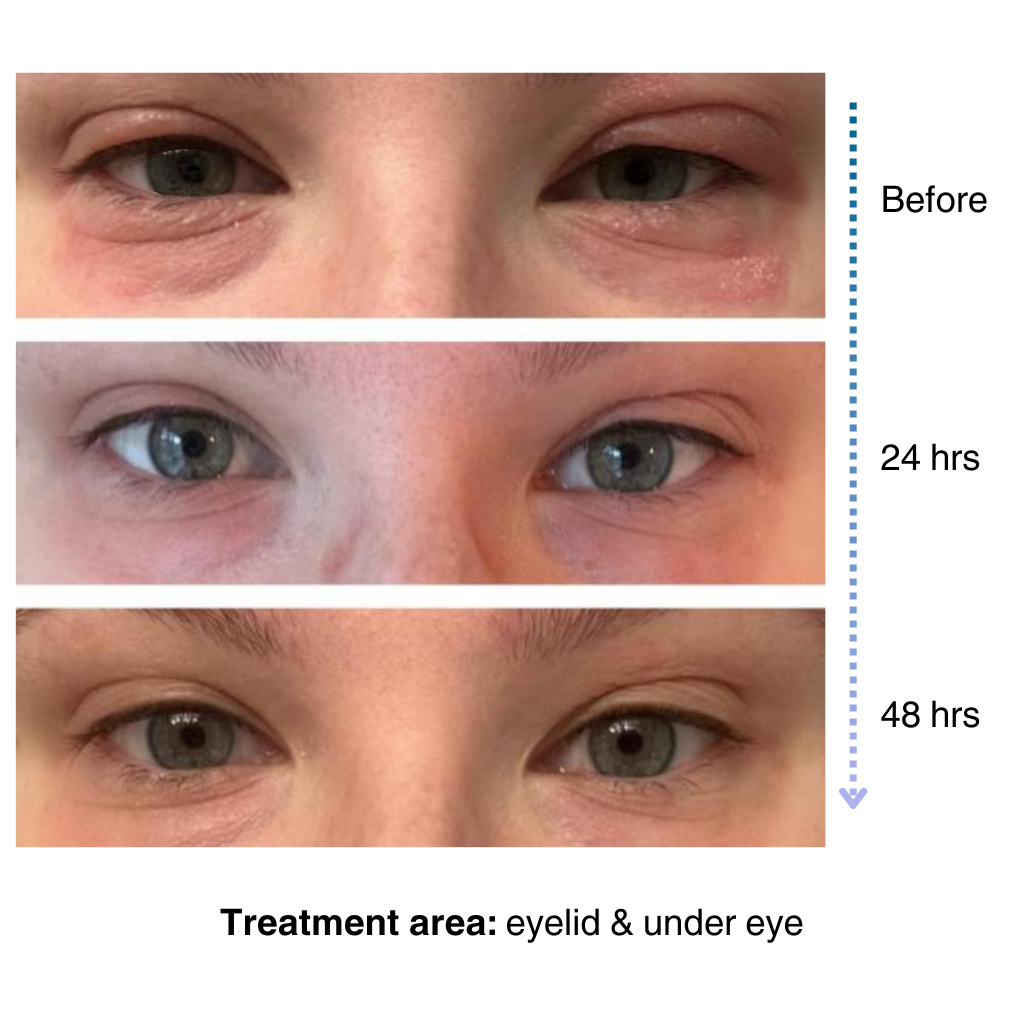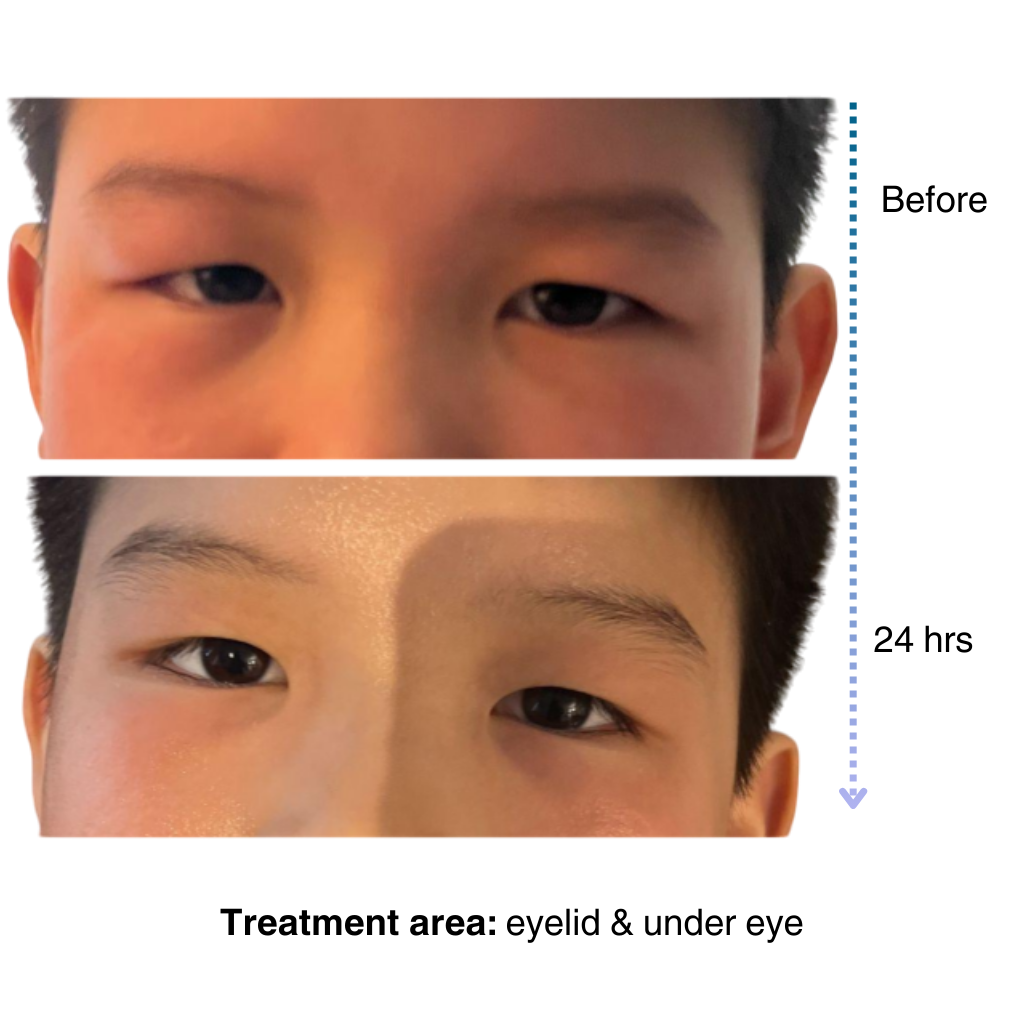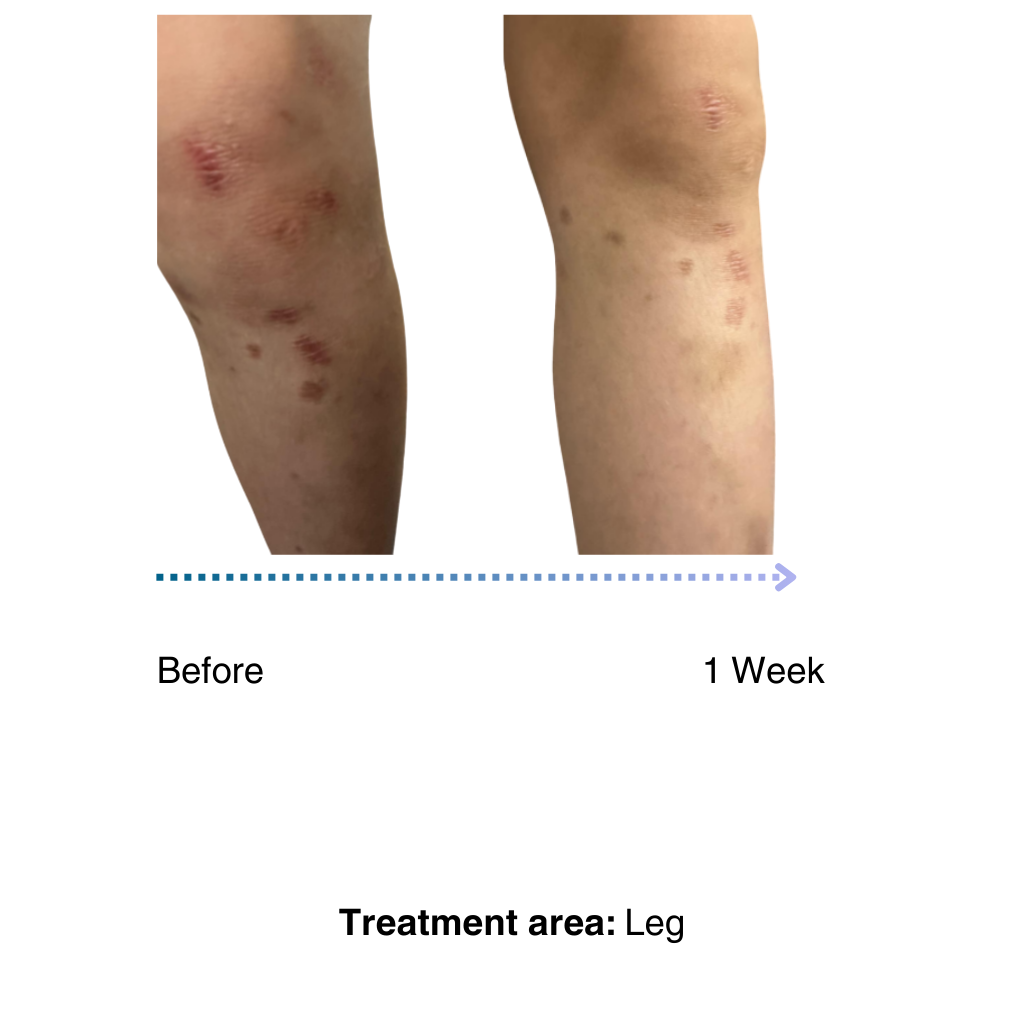
Eczema concerns?
FREE
Get instant expert guidance with our smart AI platform.
Join NowFor millions of people, pets aren’t just animals; they’re family. But for those with eczema, living with cats, dogs, or other furry companions can be a double-edged sword. On one hand, pets bring comfort, companionship, and emotional support. On the other, they may contribute to chronic flare-ups, dryness, or skin irritation due to pet allergens.
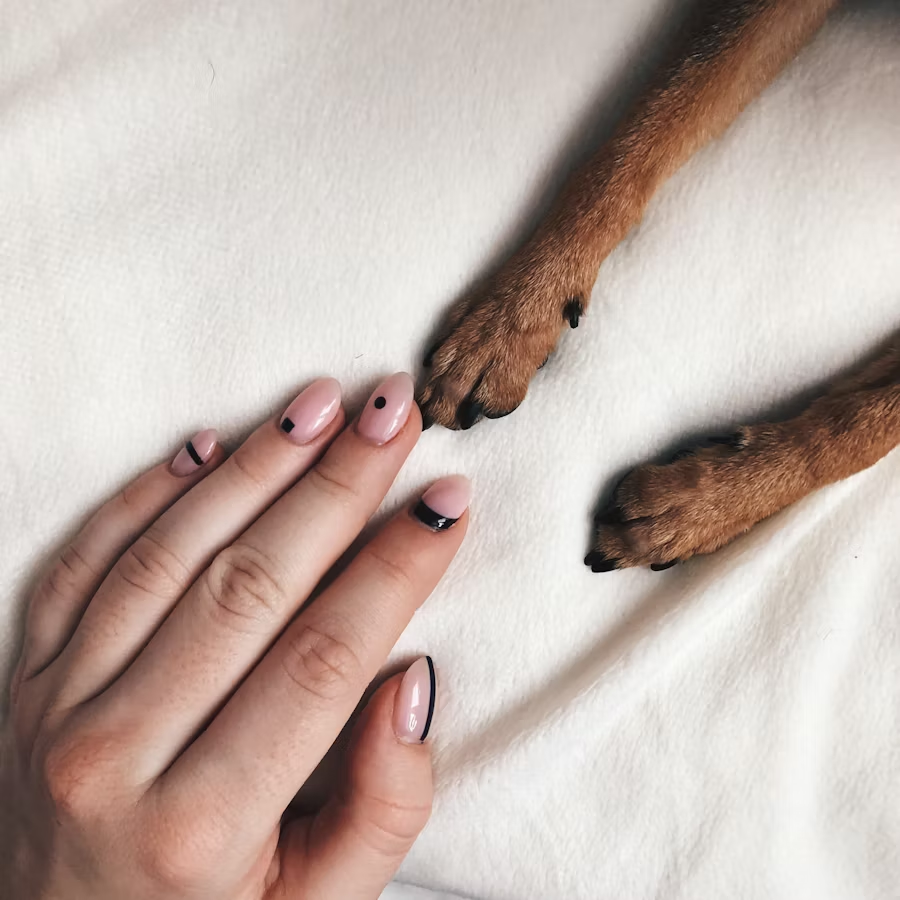
If you’ve ever wondered whether your beloved pet is making your eczema worse—or if it’s possible to live comfortably with both—this guide is for you. Today, we explore the connection between pet allergens and eczema, how to minimize exposure without rehoming your pets, and what your skin really needs to thrive in a pet-loving household.
Eczema, or atopic dermatitis, is a chronic skin condition characterized by a weakened skin barrier and an overactive immune response. While not always caused by allergies, eczema is often worsened by environmental allergens, including those from pets.
Pet allergens are not just hair or fur, they’re tiny protein particles found in:
These allergens are lightweight and sticky, meaning they can cling to carpets, upholstery, clothing, and even float in the air for hours.
When these allergens come into contact with compromised skin, they can trigger itching, redness, swelling, or eczema flare-ups, especially in people already predisposed to atopic conditions like asthma or allergic rhinitis.
According to a 2021 study in Allergy and Asthma Proceedings, pet allergen exposure increases the severity of eczema symptoms in individuals with pre-existing skin barrier dysfunction, particularly among children and adults with moderate to severe atopic dermatitis.
While not everyone with eczema is allergic to pets, many experience non-allergic irritation from close contact with fur, saliva, or pet-associated dust. Add in the emotional stress of managing flares, and the cycle becomes hard to break.
The good news is that you don’t need to choose between your health and your furry family. With a few practical steps, you can reduce exposure to pet allergens while maintaining a loving relationship with your pets.
Here’s how to live comfortably with both:
Start by making your bedroom and bathroom pet-free. These are the places where your skin barrier is most vulnerable—especially during sleep or after bathing. Use a HEPA air purifier in these rooms to remove airborne allergens.
Bathing pets weekly (especially dogs) with a vet-approved shampoo can significantly reduce allergen buildup on their skin and fur. Brushing pets outdoors helps prevent dander from circulating inside your home.
Pro Tip: Wear long sleeves and wash your hands after grooming.
Opt for allergen-proof mattress and pillow covers. These reduce dander accumulation and protect your skin from contact allergens during sleep.
Use a vacuum cleaner with a HEPA (High-Efficiency Particulate Air) filter at least twice a week to remove allergens from floors, carpets, and furniture.
Avoid sweeping or using air blowers, which can spread allergens into the air.
If you’re renovating or moving, opt for hardwood, tile, or laminate flooring instead of carpets, which trap pet allergens more easily.
It’s easy to forget, but allergenic proteins can linger on your hands and transfer to your face or sensitive skin areas. Wash with a gentle, fragrance-free cleanser after handling pets.
Replenish your skin with NellaDerm’s easy-to-use NovaNella Stick.
While kisses from your dog or cat are adorable, saliva contains proteins that may irritate broken skin. Try to avoid contact between your pet’s tongue and your face or neck.
If you’re having a severe flare, consider wearing long sleeves or lightweight gloves when cuddling your pet to reduce direct exposure.
Keep a journal to record flare-ups, their severity, and any changes in your home or pet routine. This helps identify patterns and pinpoint whether pet allergens are a primary trigger or just one of many.
Look for flare patterns after cuddling, grooming, or sleeping near your pet. You can also request allergy testing from an allergist to confirm sensitivity to specific pet allergens.
For allergy-related flares, antihistamines or nasal sprays may reduce systemic inflammation. Always consult your doctor or dermatologist before starting new treatments.
Not necessarily. Most eczema patients can manage symptoms with environmental changes, medical care, and consistent skincare. Rehoming is a last resort after exhausting all options.
Even with reduced exposure, eczema-prone skin still needs daily support. Focus on:
Explore NellaDerm’s eczema-safe skincare collection to keep your skin calm, hydrated, and ready for belly rubs.
The bond you share with your pet is powerful, and it shouldn’t come at the expense of your skin health. By understanding the link between pet allergens and eczema, and taking proactive steps to reduce exposure, you can strike a healthy balance that keeps both your skin and your heart happy.
Remember: eczema management isn’t about living in a bubble, it’s about building a sustainable lifestyle. With the right care routine and home setup, you and your furry friend can thrive together.
For products that support your skin while you cuddle, play, and live fully, visit NellaDerm.com—where comfort meets science for sensitive skin.