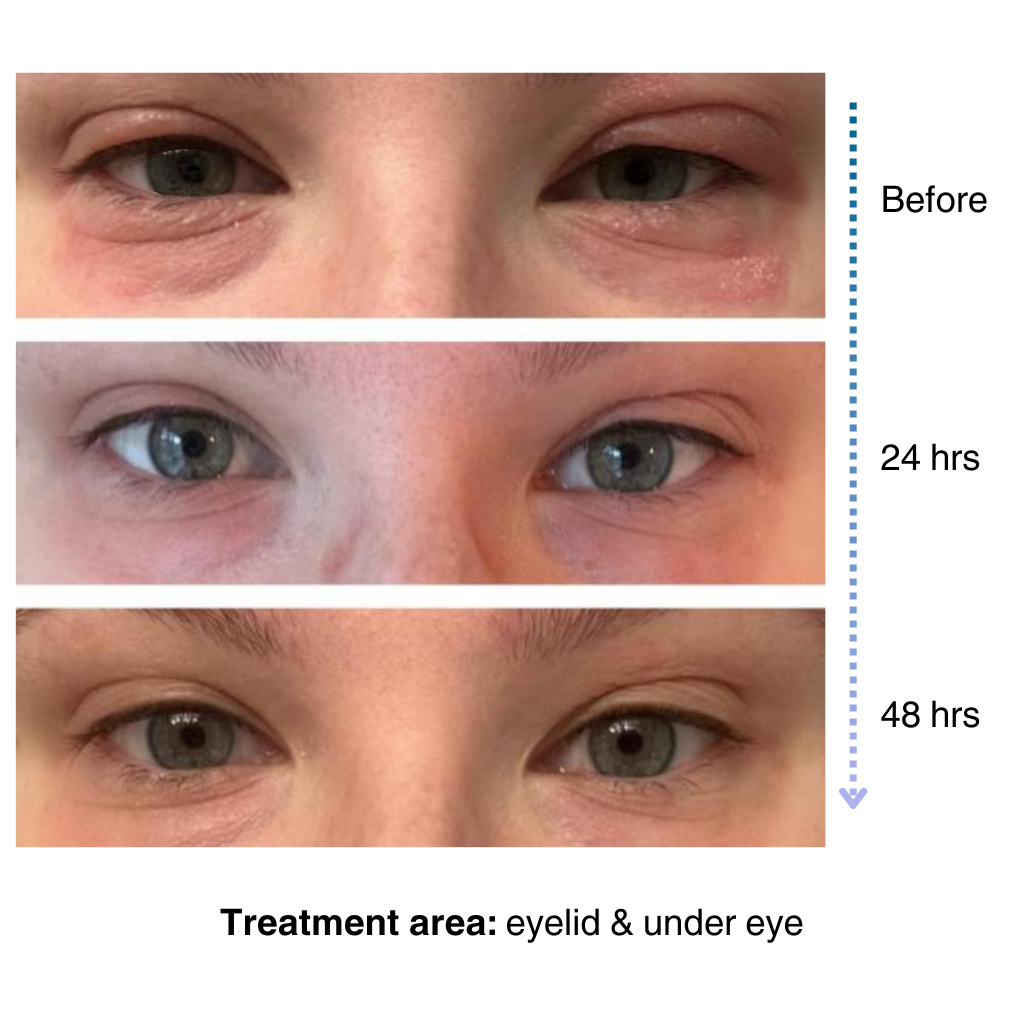
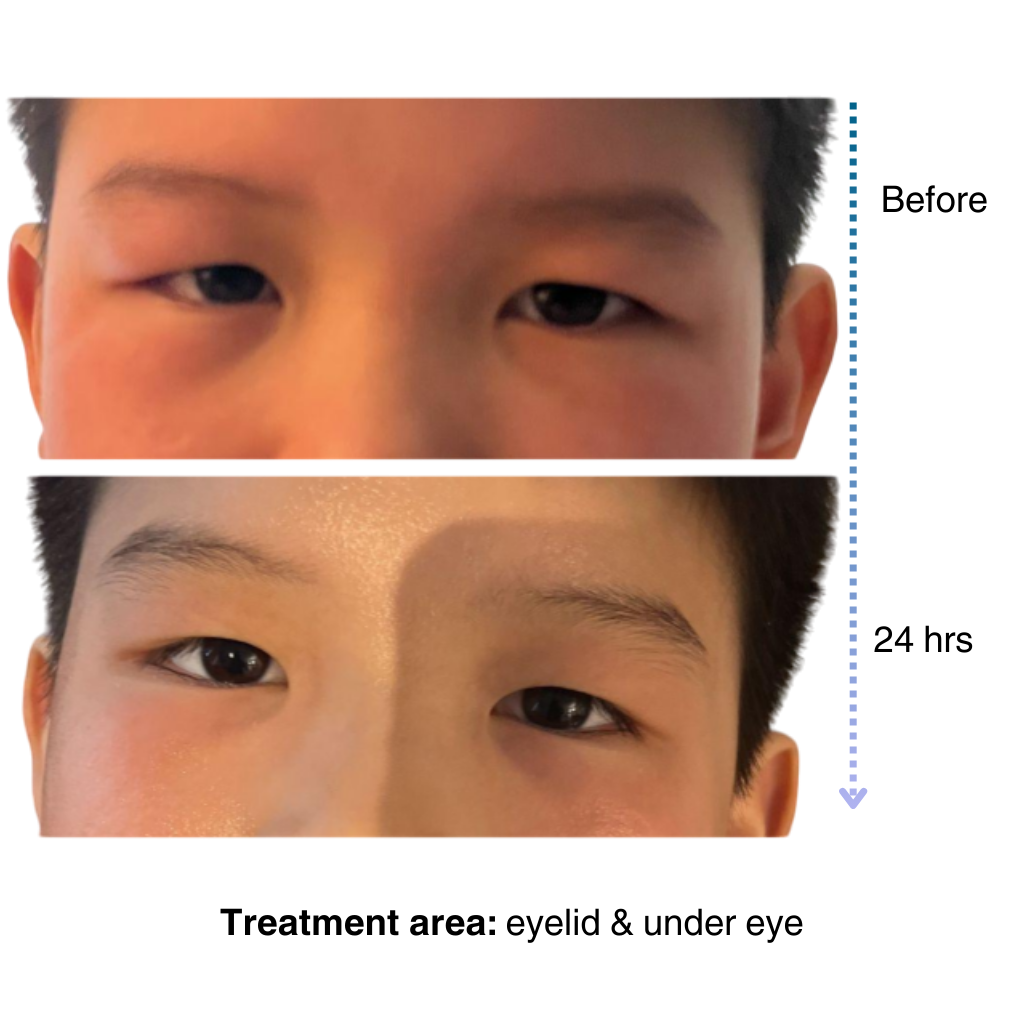
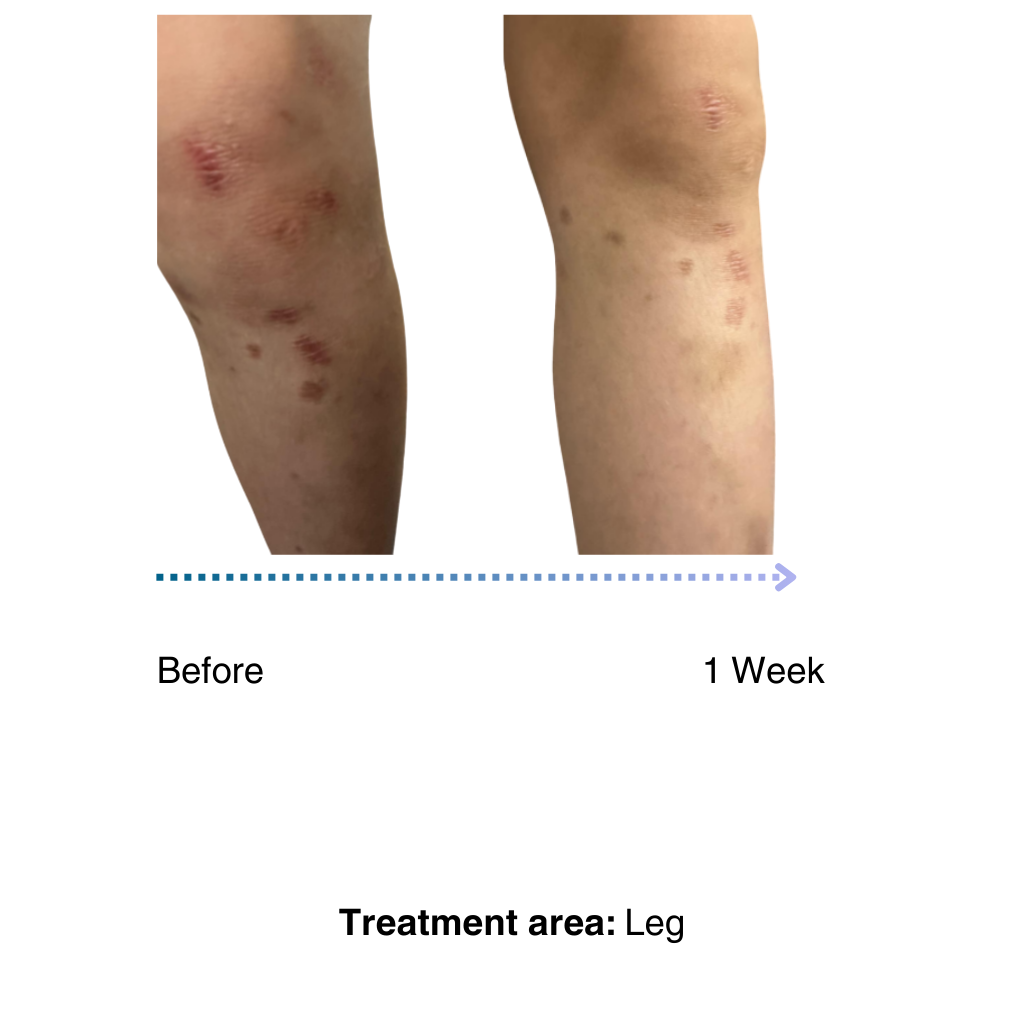
Eczema concerns?
FREE
Get instant expert guidance with our smart AI platform.
Join NowThe postpartum period while filled with joy, bonding, and new beginnings can also bring unexpected health surprises. One that catches many new mothers off guard? Postpartum eczema. Even women who have never experienced eczema before can suddenly find themselves battling itchy, dry, inflamed skin after childbirth. So what is going on? And what can you safely do about it while caring for a newborn?
In this post, we explore the science behind postpartum eczema, including hormonal changes, immune responses, and emotional stress and offer dermatologist approved, peer reviewed insights on managing flares safely during this unique stage of life. Check out our other blog for additional information.
Postpartum eczema refers to the onset or worsening of atopic dermatitis after childbirth. It may present as:
For some women, it is a first time experience; for others, it is a resurgence of eczema that was dormant during pregnancy.
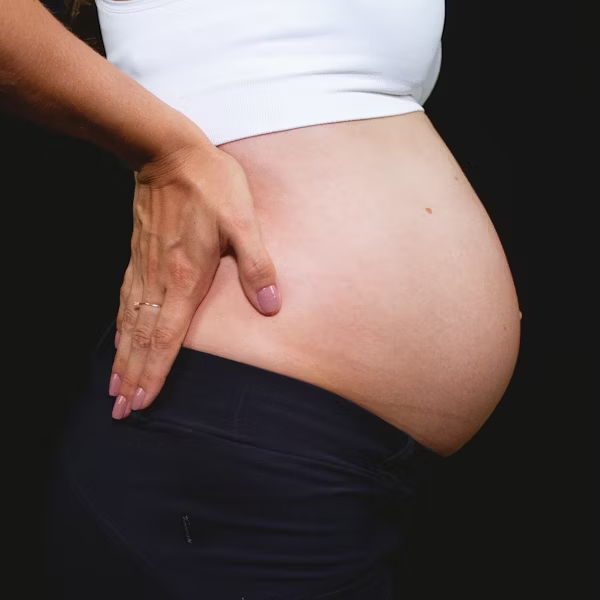
During pregnancy, estrogen and cortisol levels rise both of which have anti inflammatory effects. After delivery, these hormones plummet, potentially causing a rebound in immune activity, which can trigger eczema.
A 2022 review in Dermatologic Times notes that hormonal fluctuation plays a significant role in peripartum skin changes, including increased inflammatory skin disorders like eczema in the postpartum phase.
Pregnancy shifts the immune system toward tolerance, which helps protect the fetus. After birth, the immune system returns to its normal (or heightened) baseline sometimes overcompensating, especially in people with an atopic background.
According to a study published in Allergy, the postpartum period is characterized by Th2 to Th1 immune rebalancing, which may exacerbate chronic inflammatory conditions like eczema.
New motherhood comes with:
Stress is a well documented eczema trigger. A 2012 study in NIH found that psychological stress can impair skin barrier function, exacerbate pruritus (itching), and delay healing in patients with eczema.
The skin undergoes remarkable transformations throughout pregnancy that can set the stage for postpartum eczema. Increased blood volume and hormonal fluctuations lead to changes in skin texture, elasticity, and sensitivity. Many women notice their skin becomes more reactive during pregnancy, developing new allergies or sensitivities that persist after delivery.
Stretch marks, while primarily a cosmetic concern, represent areas where the skin’s collagen and elastin fibers have stretched beyond their capacity. These areas often have compromised barrier function, making them more susceptible to eczema flare ups. The abdominal area, thighs, and breasts where stretch marks commonly appear may become prime locations for postpartum eczema outbreaks.
Additionally, many women experience changes in their skin type during pregnancy. Those with normally oily skin might find it becomes drier, while others may experience increased oil production. These shifts can disrupt the skin’s natural microbiome and barrier function, creating conditions ripe for eczema development in the postpartum period when hormonal levels dramatically shift again.
Breastfeeding presents unique considerations for managing postpartum eczema. While breastfeeding itself doesn’t cause eczema, the physical demands and hormonal influences can affect skin health. Prolactin, the primary hormone responsible for milk production, can influence immune function and potentially contribute to inflammatory skin conditions.
Many new mothers worry about medication safety while breastfeeding. Topical treatments require special consideration because the breast area has increased blood flow and direct contact with the infant during feeding. When applying creams or ointments to the chest area, it’s crucial to ensure they are fully absorbed before breastfeeding and to choose products specifically approved for use during lactation.
Proper positioning during breastfeeding can also impact eczema. Friction from certain holds or contact with rough clothing can irritate sensitive skin. Using breastfeeding pillows with soft, natural fiber covers and ensuring proper latch can minimize skin irritation. Some women find that alternating breastfeeding positions helps distribute pressure and reduce friction on specific skin areas.
Managing postpartum eczema requires careful consideration of treatment safety, especially for breastfeeding mothers. The good news is that many effective options are available that pose minimal risk to both mother and baby. Emollients and moisturizers form the foundation of treatment, helping restore the skin barrier without systemic absorption.
When selecting skincare products, look for formulations specifically designed for sensitive skin. Products free from fragrances, alcohol, and harsh preservatives are generally safest. Ceramide containing moisturizers can be particularly beneficial as they help repair the skin’s natural barrier. For moderate to severe eczema, topical corticosteroids may be necessary, but should be used under medical supervision with the lowest effective potency for the shortest duration.
Non steroidal options like topical calcineurin inhibitors may be appropriate for certain areas, though their use during breastfeeding should be discussed with a healthcare provider. Wet wrap therapy can provide significant relief for severe flares without medication concerns. This technique involves applying moisturizer to damp skin and covering with damp then dry clothing layers to enhance hydration and reduce itching.
Establishing a gentle bathing routine is crucial for managing postpartum eczema. Limit showers to 5-10 minutes with lukewarm water, as hot water can strip natural oils from the skin. Use mild, fragrance free cleansers and avoid harsh scrubbing. Pat skin dry rather than rubbing, and apply moisturizer within three minutes of bathing to lock in hydration.
Choose soft, breathable fabrics like cotton and avoid wool and synthetic materials that can irritate sensitive skin. Wash new clothes before wearing to remove manufacturing chemicals. Use fragrance free, hypoallergenic laundry detergents and avoid fabric softeners, which can leave residue that irritates eczema prone skin.
Maintain comfortable humidity levels in your home, as both excessively dry and humid conditions can trigger eczema flares. Use a humidifier during dry months and ensure good ventilation in damp areas. Keep nails short to minimize damage from scratching, and consider cotton gloves at night if nighttime scratching is a problem.
This one is easier said than done but even short naps, support from partners, and mindfulness practices can help regulate your immune system.
Try:
Proper nutrition and hydration play vital roles in skin health during the postpartum period. Breastfeeding mothers have increased fluid needs, and dehydration can worsen eczema symptoms. Aim for at least 8-10 glasses of water daily, and include hydrating foods like fruits and vegetables in your diet.
Certain nutrients are particularly important for skin barrier function. Omega 3 fatty acids found in fish, flaxseeds, and walnuts have anti inflammatory properties. Vitamin C supports collagen production, while zinc promotes skin healing. If dietary restrictions or preferences limit these nutrients, discuss supplementation with your healthcare provider.
Some women notice connections between specific foods and their eczema symptoms. Common triggers include dairy, eggs, nuts, and wheat. However, eliminating foods during breastfeeding should only be done under medical supervision, especially when breastfeeding, to ensure both mother and baby receive adequate nutrition.
Consult a professional if:
The NHS, OHIP (Canada), and most U.S. insurance plans cover postpartum dermatology referrals, especially when quality of life is affected.
In many cases, yes. As your hormones and sleep cycle stabilize, eczema may calm down naturally. But some women experience long term flare patterns, requiring continued maintenance.
Sometimes. Coconut oil has mild antibacterial properties, but it can also clog pores or irritate sensitive skin. Always patch test first, and avoid any product with added fragrance.
Not exactly. Some people develop eczema for the first time during pregnancy, while others flare postpartum due to rebound immune activity. The treatment principles are similar but should be customized for the timing and symptoms.
Most women experience significant improvement in their postpartum eczema within several months to a year after delivery. As hormone levels stabilize and sleep patterns become more predictable, the immune system typically finds its new equilibrium. However, some women may find that their skin remains more sensitive than before pregnancy, requiring ongoing careful management.
For women planning future pregnancies, understanding your skin’s response to hormonal changes can help you prepare. Maintaining a consistent skincare routine between pregnancies and addressing any underlying allergies or sensitivities may reduce the severity of future postpartum eczema episodes. Some women find that subsequent pregnancies follow similar patterns, while others experience completely different skin responses.
Building a support network is crucial for long term management. Connecting with other mothers who have experienced postpartum eczema can provide practical tips and emotional support. Online communities, local support groups, and healthcare providers who specialize in dermatology during pregnancy and postpartum can be valuable resources throughout your journey.
Postpartum eczema is more common than you might think and while it can feel overwhelming to deal with itchy, painful skin while caring for a newborn, you are not alone, and relief is possible.
With gentle skincare, safe treatments, and a bit of self compassion, you can manage flares without compromising your parenting or your health.
Explore dermatologist approved, fragrance free solutions at NellaDerm.com, and talk to your GP or dermatologist for personalized care.