
Eczema concerns?
FREE
Get instant expert guidance with our smart AI platform.
Join NowGut health is everywhere right now, and many people with atopic dermatitis wonder whether capsules or “good bacteria” yogurts could calm their skin. The truth is nuanced: some individuals notice real improvements, others feel no change, and a few get tummy side effects that are not worth it. This guide gives a balanced take on probiotics for eczema, including what they are, what clinical studies say, how to choose and test a product, and how to combine any gut experiment with simple skincare habits that reliably help.
A major 2018 Cochrane review concluded that probiotics probably have little or no effect on treating established eczema in children or adults overall. Results vary by person and study design.
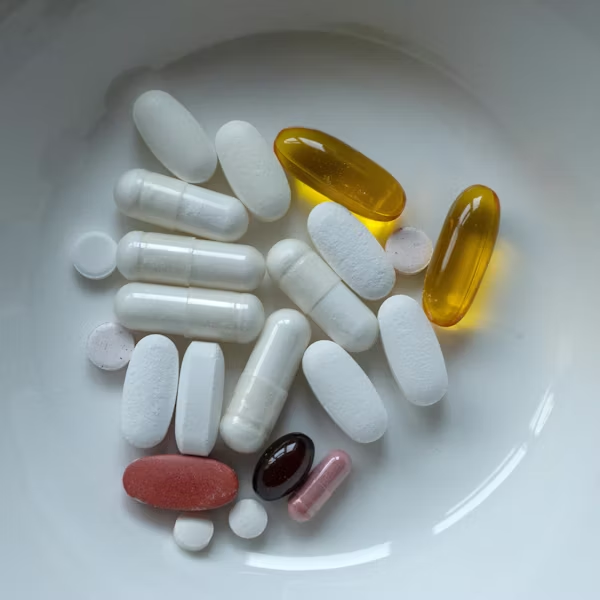
Understanding the role of gut health in eczema management
Probiotics are live microorganisms (often Lactobacillus or Bifidobacterium species) taken in specific doses, intended to confer a health benefit. In the eczema world, two ideas get mixed:
Using probiotics to reduce current eczema severity or itch.
Giving them during pregnancy or infancy to lower the child’s later risk of eczema.
This article focuses on treatment for teens and adults, with brief notes about kids. If you are pregnant or considering infant supplements, talk to your clinician first. Prevention data and safety considerations are distinct.
Across dozens of trials with different strains and doses, results are mixed. Some small studies show modest improvements in itch or clinician scores; others show no difference.
When all studies are pooled, the average effect is small to none for treating established eczema. That is why most dermatology and allergy groups do not recommend routine probiotics for treatment.
Why the confusion? Strains and doses differ, participants have different eczema types, and many studies are short.
Bottom line: If you want to test probiotics for eczema, treat it like a personal experiment with clear start and stop points, not a forever pill.
These are situations where probiotics are generally not advised unless a physician specifically recommends them.
Look for strain codes (e.g., L. rhamnosus GG ATCC 53103) rather than vague “Lactobacillus blend.”
Many products range from 1–20+ billion CFU/day. Higher is not always better; follow evidence-based labels.
Some require refrigeration; others are shelf-stable. Respect the storage directions.
Prefer companies that publish third-party testing and list CFU at end-of-shelf-life, not “at manufacture.”
You may see “synbiotics” (probiotics + prebiotics like inulin or FOS). These fibers can feed beneficial microbes but can also cause gas or bloating in some people. A gentler route is to eat fiber-rich foods you already tolerate:
Keep portions consistent so you can read your skin response. If your stomach protests with cramping or diarrhea, pause the experiment and regroup; gut distress can make sleep and itch worse.
You will find creams marketed with “pre-/pro-/postbiotics.” Some use bacterial lysates or fermented extracts rather than live microbes. A few small studies suggest these formulas may improve hydration and reduce irritation, but the field is young and definitions vary widely.
If you try one, patch test on a calm area first and keep the rest of your routine unchanged for two weeks.
Evidence for probiotics for eczema treatment in children is also mixed; many pediatric dermatology groups do not recommend routine use.
Separate research explores probiotics in pregnancy or infancy to prevent future eczema; talk to your pediatric or obstetric clinician before considering any supplement.
Choose pediatric-specific products and dosing; stop if tummy symptoms or rashes appear.
Whether or not a capsule helps your skin, the basics remain your foundation:
Short, lukewarm bathing with fragrance-free cleanser on necessary areas
Moisturize within three minutes after every rinse so water stays in the stratum corneum
Fragrance-free liquid detergent, smallest effective dose, and extra rinse during flares
Cool room, smooth sheets, and simple wind-down to reduce itch–scratch spiral
Take with food, lower the dose if the label allows, or switch to a simpler formula. If symptoms persist, stop.
Illness, heat, and stress often overshadow small probiotic effects. Treat it like any flare and reassess after you’re well.
Great, but you cannot tell which lever helped. Hold steady for two weeks, then remove one change at a time to see what is essential.
Stay the course through week 8–12. If benefits remain small or inconsistent, consider stopping and focusing on proven basics.
Current research suggests probiotics for eczema are not a reliable treatment for everyone, and average benefits in trials are modest to none. A careful 8–12 week trial can still make sense if you choose a transparent, well-made product and keep the rest of your routine steady. Pair any gut experiment with barrier-first skincare, clean laundry, and good sleep—the everyday levers that consistently pay off—then let your own data decide whether probiotics earn a long-term place in your plan.
Should I take the highest CFU I can find?
Not necessarily. Pick a reputable product with clear strain labeling and follow the dose on the package or your clinician’s advice.
Do fermented foods work the same as capsules?
They can support a diverse diet and may help some people feel better overall, but their microbes and doses are different from supplements. Keep portions consistent during a trial so you can read your skin response.
Can I give my child the same probiotic I take?
Use pediatric-specific products and dosing. Discuss with a pediatric clinician, especially for infants and toddlers.
How soon would I notice a difference?
If a probiotic helps you, many people notice a small change in itch or sleep within 4–8 weeks. No change by week 12 is your cue to stop.
Are probiotics safe with my eczema medications?
Usually, but always check with your clinician, especially if you take immunosuppressants or have serious medical conditions.
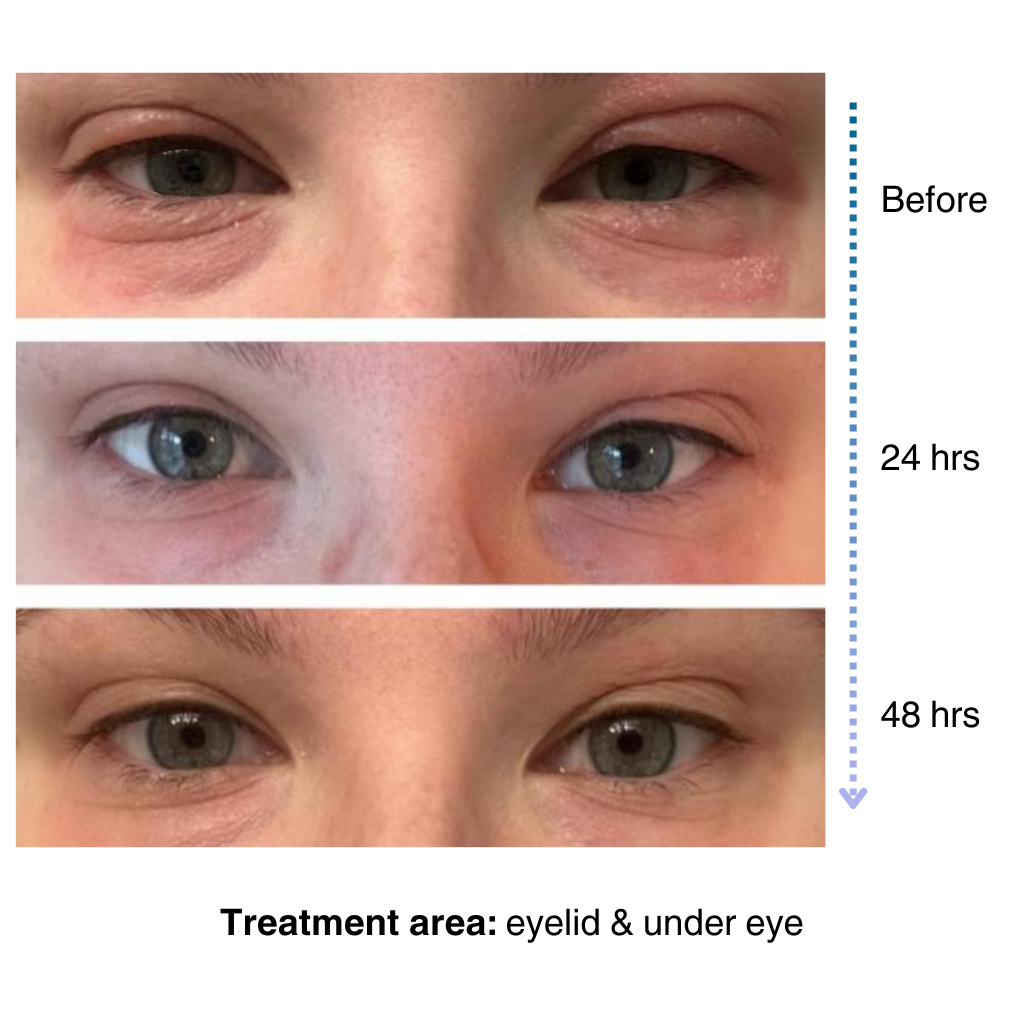
It’s easy to apply and isn’t chalky at all. I’ve been applying it multiple times a day… I’ve tried multiple new products to try and treat my eye eczema, and this is definitely the best I’ve tried so far.
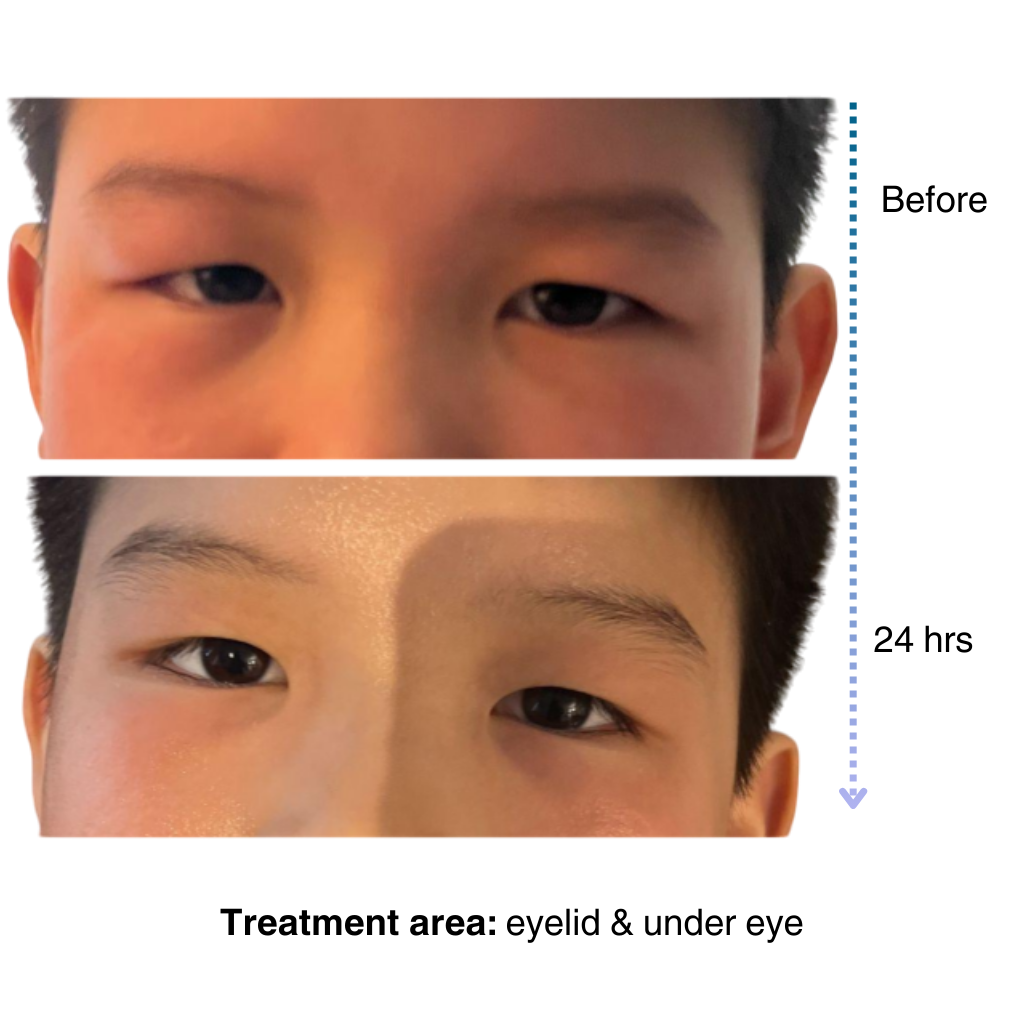
My 7-year old son has been dealing with eczema on his face for a long time, and it’s been so tough to find something that really works…..I’m amazed by the results! Within one day, the redness and rough patches on his face significantly improved…. he doesn’t mind using it at all because it doesn’t sting or feel greasy. – Lily

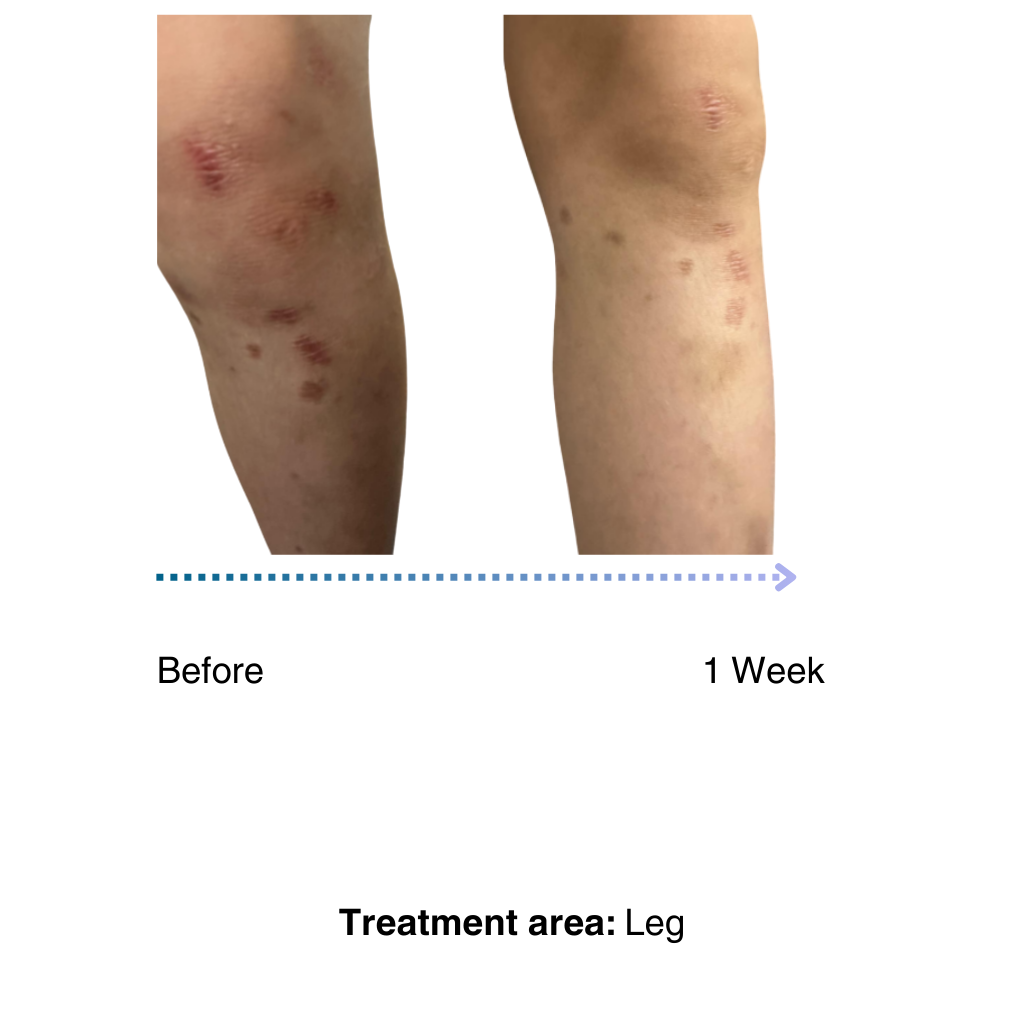
Like many of you, our eczema journey is personal. That’s why we’re committed to creating a space for the eczema community to share experiences, be empowered through evidence-based solutions, and learn practical tips for daily life.
– Sajjad, Founder & CEO of NellaDerm
