Retinol for Eczema: Tips for Sensitive Skin

Retinoids are powerful skin helpers for texture, tone, and acne. They are also famous for sting and dryness—the last thing you want during an eczema season. The goal here is not to sell you on retinol, but to show you how to decide if retinol for eczema makes sense right now, and how to test and use it without wrecking your barrier. You will get a clear decision tree, an at-home patch test, the moisturizer “sandwich” method, a gentle 4-week ramp, and exit ramps if your skin says no.


A 2024 peer-reviewed study from Dermatology Research and Practice summarizes multiple ways to reduce retinoid-induced irritation—including microencapsulation, emollient-rich vehicles, slow step-up schedules, and combining with barrier-supportive moisturizers—supporting the very strategies outlined below.
retinol for eczema

The Essentials In One Minute

  • Retinol is optional for eczema; it does not treat eczema itself. Consider it only when your skin is calm and you have a non-negotiable barrier routine in place.
  • Patch test first for 72 hours behind the ear or along the jawline.
  • Start with the lowest strength you can find, apply a pea-size for the whole face, and use the moisturizer “sandwich” (moisturizer → retinol → moisturizer).
  • Begin 1–2 nights per week on completely dry skin, then progress slowly.
  • Skip active flares, broken skin, eyelids, corners of nose and mouth, and avoid mixing with strong acids on the same night.
  • Morning equals mineral sunscreen. No sunscreen, no retinoid.
  • If irritation appears, pause, repair, and try again later—or choose an alternative.

If you want a simple barrier-first cream that layers well with actives, keep a tube of NellaCalm Steroid-Free Eczema Cream for buffer nights and recovery days.


Should You Even Try Retinol Right Now?

Yes, if all are true:

  • Your eczema is quiet this month.
  • You want help with texture, pores, or fine lines, or you have mild acne that flares between eczema episodes.
  • You are willing to move slowly and stop at the first sign of a barrier wobble.

Wait, if any are true:

  • You have a current flare, significant dryness, or open cracks.
  • You get frequent perioral or eyelid irritation.
  • You are pregnant or breastfeeding (avoid topical retinoids in these periods).
  • Your sunscreen habits are inconsistent.

Patch Testing: Your 72-Hour Safety Rehearsal

Where: just behind the ear or along the jawline.


How:

  1. Night 1, apply a rice-grain dab of the new retinol to a 1–2 cm patch.
  2. Do not apply on top of medicated eczema creams.
  3. Repeat on Night 3.
  4. Watch for delayed redness, flaking, burning, or tiny bumps for up to 72 hours.

Pass: if mild dryness only, and proceed to a full-face ramp.


Fail: if burning, hot redness, or a rash, and stop and focus on barrier care.


The Moisturizer “Sandwich” Buffer (Step-By-Step)

This is the simplest way to use retinol for eczema without regret.

  1. Cleanse with a gentle, fragrance-free wash.
  2. Pat completely dry and wait 10–15 minutes (retinoids bite harder on damp skin).
  3. Apply a thin layer of moisturizer to the whole face.
  4. Dot pea-size total of retinol across the forehead, cheeks, and chin.
  5. Press to spread—no scrubbing.
  6. Seal with a second thin layer of moisturizer.
  7. Avoid eyelids, corners of nose and mouth, and any healing spots.

For a sturdy daily framework that retinol can fit into, keep this handy: Skin Minimalism: Simplify Your Eczema Routine


The 4-Week Retinol Ramp For Sensitive Skin

Week 1: One night only

  • Sandwich method, pea-size total.
  • Skip any other actives.
  • Morning: mineral sunscreen.

Week 2: Two nights (non-consecutive)

  • Same pea-size amount.
  • If you feel “glass splinters” tightness, add an extra moisturizer layer or shorten the contact time (apply, wait 15 minutes, wipe off, moisturize).

Week 3: Two to three nights

  • Still pea-size. Consider alternating “retinol night” with “barrier night” using a rich cream only.

Week 4: Three nights max

  • If skin is calm, you may stay here long-term. More is not always better, especially with retinol for eczema.

At any point: If you see redness, hot sting, or patchy flaking, stop for three to five days and run recovery (cleanse, moisturize AM/PM, and sunscreen). Re-introduce later at the previous step.


What Strength And Format Should You Choose?

  • Strength: Start low. Many eczema-prone faces do best at 0.1–0.3% retinol.
  • Vehicle: Creams or serums with ceramides, glycerin, or hyaluronic acid are easier to live with than lean gels.
  • Encapsulated retinol can be kinder; brands often state “micro- or nano-encapsulated” on the label, a tactic that aligns with strategies noted in the 2024 review.
  • Avoid retinal or prescription tretinoin until you have proven tolerance, as they are typically stronger (even though some retinal formulas claim good tolerability).

Morning Rules That Protect Your Progress

  • Mineral sunscreen daily. Retinoids and UV do not mix; unprotected sun exposure drives pigment and irritation. A zinc-based formula is often best tolerated by eczema-prone skin.
  • Keep mornings simple: cleanse if needed, moisturize, sunscreen. Save vitamin C or exfoliating acids for future months once retinol tolerance is rock-solid.

For detailed, sting-free sun protection, see: Sunscreen Success: Powerful Protection for Eczema‑Prone Skin.


Where People Get Into Trouble (And How To Dodge It)

Starting during a flare
Retinoids amplify inflammation. Wait for quiet skin, then begin.


Applying on damp skin
Water turbocharges penetration. Dry fully, then buffer.


Too much, too fast
A pea-size is more than it sounds. Use dots, not stripes. Hold each step for a full week before moving on.


Mixing strong acids or scrubs
Skip AHA/BHA and gritty scrubs on retinol nights. If you want to exfoliate, do it on a different night with a very gentle PHA once your skin is stable.


Using on eyelids and corners
The thinnest skin reacts first. Keep a fingertip’s distance from eyelids and the corners of nose and mouth.


Forgetting sunscreen
No sunscreen, no retinoid. Full stop.


Can Retinol Help Eczema Itself?

No. Retinol for eczema is not a treatment for eczema. It may improve photoaging or acne between flares if the barrier is steady and the routine is strict. Treat eczema with your prescribed anti-inflammatories and barrier care; think of retinol as an optional bonus for separate goals.


Ingredients That Play Nicely With Retinol

  • Niacinamide: anti-inflammatory and barrier-supportive; many tolerate it well under or over retinol.
  • Ceramides, cholesterol, and fatty acids: fortify the stratum corneum.
  • Hyaluronic acid and glycerin: humectants that pull water in; seal them with a cream.

If any of these sting when your skin is reactive, pause and re-introduce after the barrier is calm.


Short-Contact And “Mix-In” Methods

If even the sandwich is too spicy:

  • Short-contact therapy: apply retinol to dry, buffered skin, wait 15–30 minutes, then wipe off and moisturize again. Repeat weekly until you can leave it on.
  • Mix-in method: blend half a pea of retinol with a nickel-size amount of moisturizer in your palm, then apply. Move toward the full sandwich over time.

Both approaches echo the irritation-mitigation strategies highlighted in recent retinoid literature.


Face Map: Where To Use And Where To Avoid

  • Good zones: cheeks, forehead, outer face.
  • Use caution: nose bridge, jaw corners.
  • Avoid: eyelids, corners of the nose and mouth, and any active eczema plaques or cracked skin.

What To Do If Irritation Shows Up

  • Mild tightness or flake: add more moisturizer, switch to short-contact, or drop to once weekly.
  • Hot sting or pink patches: stop retinol, run barrier care only (cleanse, moisturize AM/PM, then sunscreen) for 3–5 days.
  • Persistent red, itchy, or bumpy rash: you may be having irritant dermatitis or a separate issue like perioral dermatitis. Press pause and ask your dermatologist for guidance.

Smart Alternatives If Retinol Is A No

  • Bakuchiol: retinol-like cosmetic benefits with generally better tolerance for some; still patch test.
  • Azelaic acid 10%: texture and tone support with a calmer profile for many eczema-prone users.
  • Peptide serums and PHAs: gentler options you can rotate on non-retinol nights.
  • Photoprotection + barrier care: no topical outperforms daily mineral sunscreen plus a tight moisturizer routine for preserving skin quality over time.

A Simple Night Routine You Can Copy

  1. Cleanse gently and pat dry.
  2. Moisturize thinly (face and neck).
  3. If it is a retinol night, apply pea-size total using the sandwich.
  4. If it is a barrier night, apply a rich layer only.
  5. Lights out.

Morning: cleanse if needed, moisturize, and apply mineral sunscreen.


When To Call Your Dermatology Team

  • You cannot get past once-weekly use without flaring.
  • You see honey-colored crust or spreading tenderness (possible infection).
  • You are unsure whether the rash is eczema, irritant dermatitis, or perioral dermatitis.
  • You want to plan retinoids around prescription eczema treatments (for example, alternating nights with a calcineurin inhibitor).

Bring a short photo log and your product list; it speeds up a tailored plan.


Final Thoughts

Using retinol for eczema is possible when your skin is calm and how you use it is disciplined. Patch test for 72 hours. Start low, go slow, and buffer with moisturizer on completely dry skin. Keep mornings simple and sunscreen heavy. If irritation appears, stop, repair, and reassess. And remember: retinol does not treat eczema; barrier care, trigger control, and your prescribed anti-inflammatories do. If retinol earns a spot in your routine, great. If not, you are not missing the main things that keep sensitive skin clear and comfortable.

FAQs

Is prescription tretinoin better than retinol for eczema-prone skin?
Stronger is not better for sensitive faces. Many with eczema tolerate low-strength retinol better than prescription tretinoin. If you later want tretinoin, step up slowly with your dermatologist.


Can I put retinol on my hands or body if my face is too sensitive?
You can try the same patch test + sandwich method on forearms or the backs of hands, but avoid active eczema patches anywhere.


Can I combine retinol with my steroid or non-steroidal eczema cream?
Do not layer them in the same spot at the same time. Use prescription treatments on active plaques and reserve retinol for clear areas on different nights.


How long until I see results?
Texture and tone changes usually take 8–12 weeks at a tolerable cadence. If you cannot tolerate that cadence, choose an alternative.

Explore the Eczema Knowledge Hub

Your go-to resource for flare-up relief, skincare tips, and science-backed advice.

"...this is the best I've tried so far."

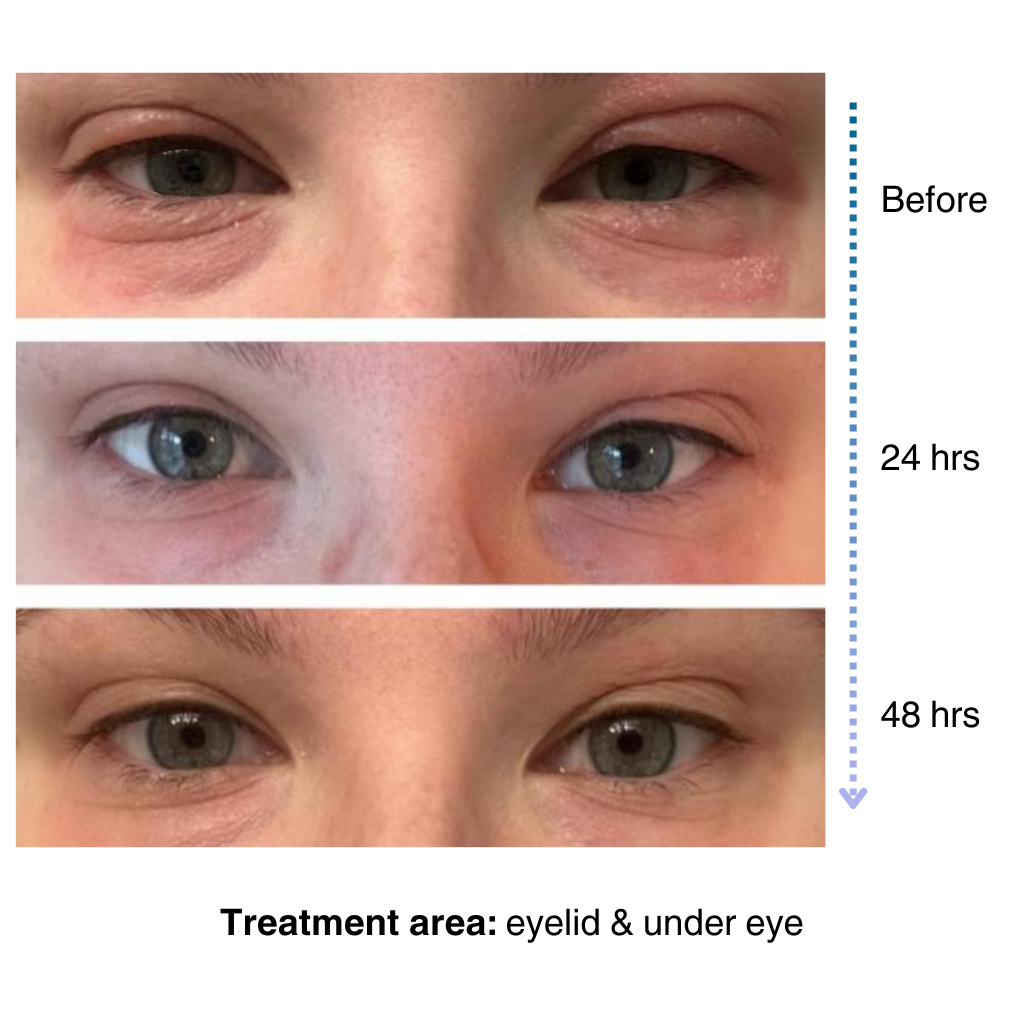
It’s easy to apply and isn’t chalky at all. I’ve been applying it multiple times a day… I’ve tried multiple new products to try and treat my eye eczema, and this is definitely the best I’ve tried so far.

"Game-changer for my son's eczema"

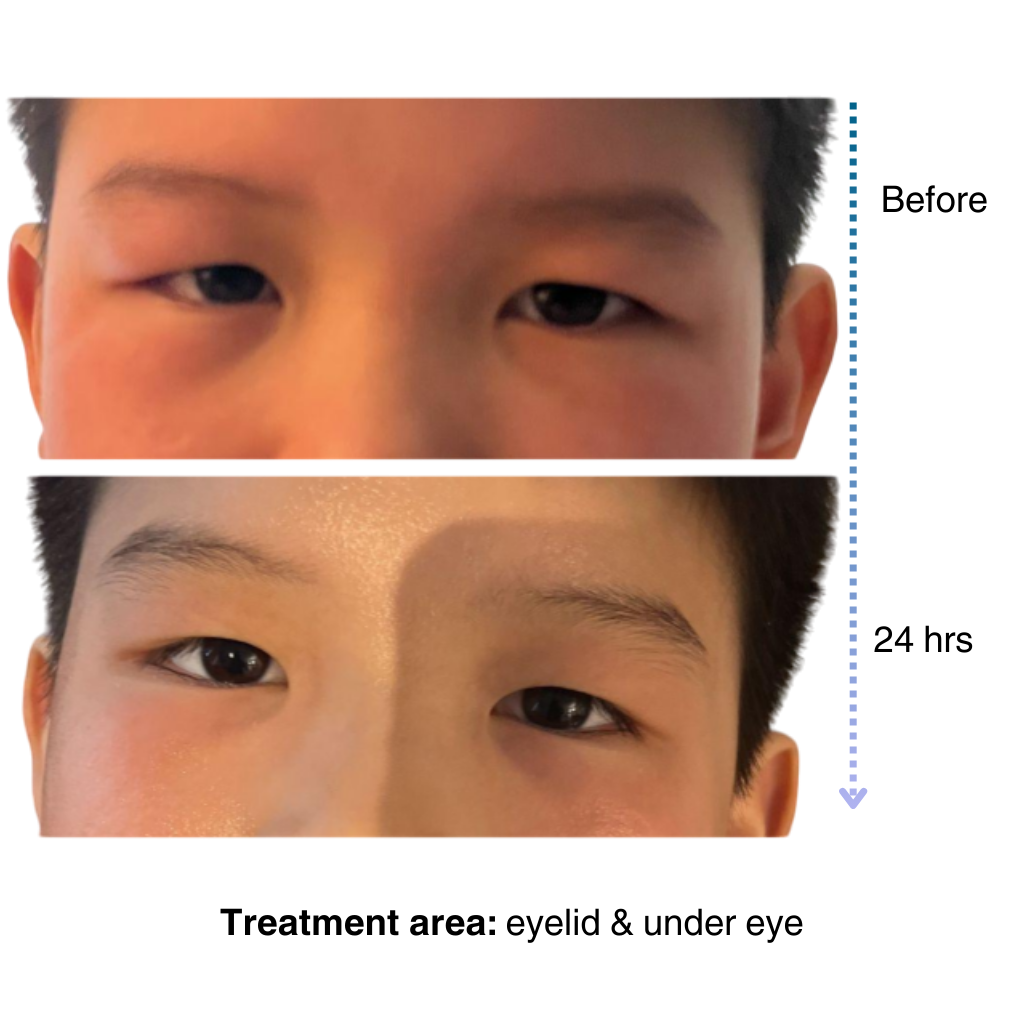
My 7-year old son has been dealing with eczema on his face for a long time, and it’s been so tough to find something that really works…..I’m amazed by the results! Within one day, the redness and rough patches on his face significantly improved…. he doesn’t mind using it at all because it doesn’t sting or feel greasy. – Lily
Newsletter Signup

Like many of you, our eczema journey is personal. That’s why we’re committed to creating a space for the eczema community to share experiences, be empowered through evidence-based solutions, and learn practical tips for daily life.  

– Sajjad, Founder & CEO of NellaDerm

Eczema treatment
Shopping Cart