Sauna With Eczema: Heat Control & Skin Recovery

Heat is a double-edged sword for sensitive skin. Warmer temperatures and heavy sweating can aggravate itch and delay barrier recovery, yet many people love saunas, steam rooms, and hot yoga for stress relief and muscle recovery. The good news: with the right settings and a tight “rinse-and-seal” routine, you can often keep flares at bay. Laboratory and clinical work from PubMed Central shows that heat can amplify itch signals in atopic dermatitis, while temperature shifts and water exposure alter the skin barrier—exactly why sauna with eczema needs a plan. 
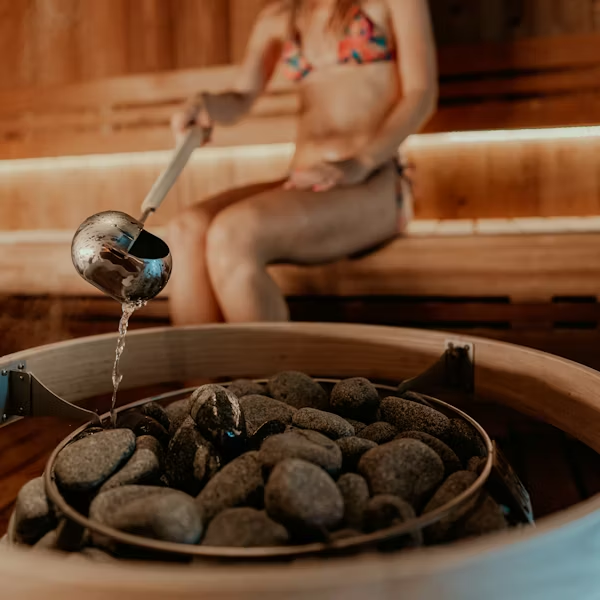
sauna with eczema

The Essentials In One Minute

  • Choose the gentlest heat: start with lower-temp infrared sauna or a short dry sauna rather than long, steamy sessions. Infrared cabins commonly run about 120–140°F (49–60°C). 
  • Keep sessions short: begin with 5–10 minutes (or one short hot-yoga segment) and stop if you feel prickling, sting, or dizziness. Heat intensifies itch in eczema when it pushes toward the painful range. 
  • Sweat smart: blot, do not rub. Sweat contains allergens and irritants that can trigger itch; quick removal helps. A Malassezia-derived sweat allergen (MGL_1304) can provoke histamine release in many with AD. 
  • Seal after water: rinse lukewarm, pat to damp, then moisturize within three minutes.
  • Hydrate and cool gradually: sip water, step out early, and avoid cold shock afterward; let your skin come back to room temp before leaving.

If you want a steroid-free barrier cream that layers well post-session, keep a tube of NellaCalm Steroid-Free Eczema Cream in your gym bag.


Heat, Sweat, And Your Skin: What Actually Happens

  • Heat and itch: People with eczema experience stronger itch responses to noxious heat than those without eczema, likely via heat-sensing nerve receptors. Translation: the hotter you get, the itchier you may become.
  • Barrier changes: Hot or cold extremes and repeated wetting/drying disturb barrier lipids and signaling, which can set up late-day tightness and flake. 
  • Sweat as a trigger: Beyond salt and friction, MGL_1304, a protein associated with Malassezia in sweat, can trigger histamine release and itch in AD—one reason blotting sweat matters. 

Know Your Heat Options (And How To Tame Them)

Dry sauna

  • Typical temps are high with low humidity. Start at the lowest bench, set a strict 5–10 minute cap, and exit if your skin tingles or stings.

Infrared sauna

  • Runs at 120–140°F with a different heat feel; many find it gentler on the barrier. Still keep it brief the first few tries. 

Steam room

  • Lower temp, very high humidity. Feels soothing at first, but sweat cannot evaporate and may pool in flexures, increasing maceration and itch. Keep sessions shorter and rinse right after.

Hot yoga

  • Classic Bikram-style rooms are around 105°F with ~40% humidity. If you love the practice, place your mat near a door or fan, take child’s pose if your skin starts to prickle, and plan a fast rinse the moment class ends. 

For more on training in heat and keeping skin calm, you may like: Post Workout Skincare: How to Protect Your Skin After the Gym


Pre-Session Setup (Five Minutes)

  1. Hydrate early. Begin sipping water at least 30–60 minutes before class.
  2. Skip fragrance. No perfumed body sprays, oils, or strong essential oils; they can sting in heat.
  3. Spot-protect hot zones. Apply a thin layer of moisturizer to the neck, inner elbows, knees, and under straps before you enter.
  4. Dress for glide. Choose breathable, smooth fabrics that wick and do not bind at flexures.
  5. Mat and towel strategy (hot yoga): use a full-length towel on your mat to reduce slip and skin friction.

In-Session Micro-Habits That Prevent Flares

  • Breathe and scan. Rising itch, prickling, or sting are your “exit now” signs. Heat-induced itch ramps up fast—getting out early beats a full-blown flare later.
  • Blot sweat. Press a soft towel to flexures, neck, and hairline. Do not scrape or rub.
  • Sit on a towel. Creates a smoother interface and limits salt build-up on benches.
  • Breaks are smart, not weak. Step outside for air or child’s pose whenever your skin starts talking.

The Post-Session Reset (Three Steps)

  1. Rinse lukewarm. Skip scalding water; it magnifies vasodilation and itch.
  2. Pat to damp. Leave a whisper of water on the skin.
  3. Seal within three minutes. Apply a thin layer of moisturizer everywhere that sweated, with extra attention to flexures and under bands.

Heading back into sunlight? Use a zinc-based mineral sunscreen, applied over moisturizer and pressed into place to minimize sting. For technique, see: Sunscreen Success: Powerful Protection for Eczema‑Prone Skin


Steam vs Sauna vs Infrared: Which Is “Best” For Eczema?

There is no universal winner, but you can stack the odds:

  • If sweat is your main trigger: brief infrared or short dry sauna may feel easier than steam, which keeps skin wet.
  • If tightness follows any heat: you may tolerate very short steam better than dry heat, so long as you rinse and seal immediately.
  • If you love hot yoga: try non-heated classes on flare weeks; in heated classes, shorten exposure, stand near ventilation, and do a rapid rinse afterward. Typical studio settings are ~105°F, ~40% humidity, which is intense for sensitive skin. 

Who Should Be Cautious Or Skip Heat Sessions

  • Uncontrolled eczema with fissures or infection: heat can worsen sting and delay healing.
  • History of heat-triggered hives or fainting, cardiovascular disease, pregnancy, or heat intolerance: talk with your clinician before trying sauna or hot yoga; keep sessions minimal or avoid entirely.
  • Severe itch rebound after previous sessions: your skin is telling you the dose is wrong (or the activity is not for you).

A Two-Week “Heat-Smart” Plan

Days 1–3: Baseline without heat

  • Keep showers lukewarm. Moisturize morning and night and after any rinse. Note your itch level (0–10) and sleep quality.

Days 4–7: One trial session

  • Pick one: 5–10 minutes in a dry or infrared sauna, 5–8 minutes in steam, or half-length hot-yoga class near a door/fan.
  • Execute the post-session reset immediately.
  • Track itch in the next two hours and at bedtime.

Days 8–14: Adjust or opt out

  • If neutral or helpful, repeat once more this week; do not stack back-to-back days.
  • If you noticed prickling during, tightness after, or late-day itch, shorten further or switch to non-heated options. Your notes will make the pattern obvious.

Troubleshooting: What That Pattern Means

Prickly burn in the room
Heat is tipping past your nerve threshold. Leave early, cool gradually, and try a lower-temp option or a non-heated class.


Itch explodes as you cool down
Likely barrier dehydration plus sweat residue. Next time, shorten exposure and seal faster; consider infrared instead of steam. 


Neck or elbow patches always flare after class
Add a pre-session moisturizer film and bring a small towel to blot flexures every few minutes.


Eyes and eyelids sting
Sweat plus sunscreen migration. Press mineral sunscreen over moisturizer and wear a headband; rinse face immediately after class.


You feel calmer but skin looks flaky later
Increase after-session moisturizer and avoid strong cleansers that strip lipids when your barrier is already stressed. Temperature shifts themselves can perturb barrier lipids, so be extra gentle.


Final Thoughts

You can enjoy sauna, steam, or hot yoga with eczema if you respect your personal heat threshold and protect the barrier. Begin with the mildest heat, keep sessions short, blot sweat, and do a fast rinse-and-seal the moment you are done. If your notes show consistent itch or sting despite these steps, pivot to non-heated options—your skin will thank you.

Frequently Asked Questions

Can sauna improve skin health?
Some small studies in healthy people report changes consistent with improved hydration or pH after regular, controlled dry sauna exposure, but results are not specific to eczema and study sizes are small. Your personal tolerance and aftercare matter far more than general claims.


Is steam better than dry heat for eczema?
It depends. Steam feels soothing but keeps skin wet, which can macerate flexures. Dry heat evaporates sweat faster but can dehydrate the surface. Test briefly, rinse quickly, and seal.


Is hot yoga safe if I have eczema?
Many people do fine if they shorten exposure and rinse immediately. Remember that traditional hot-yoga rooms hover around 105°F with ~40% humidity, which is a lot of heat stress for sensitive skin—start slowly and listen to your nerves and your skin.


What is the single most important step?
The post-session rinse and seal within three minutes. It removes sweat and traps clean water before it evaporates.

Explore the Eczema Knowledge Hub

Your go-to resource for flare-up relief, skincare tips, and science-backed advice.

"...this is the best I've tried so far."

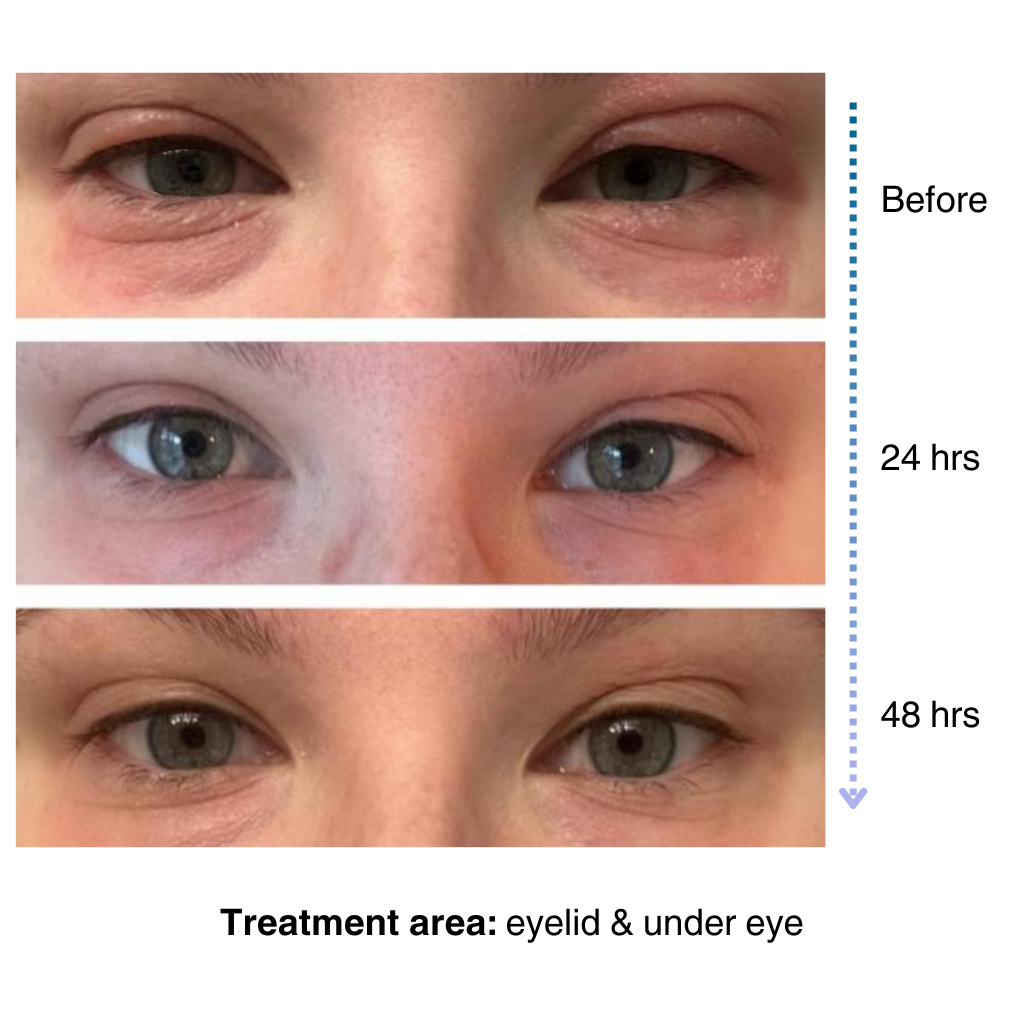
It’s easy to apply and isn’t chalky at all. I’ve been applying it multiple times a day… I’ve tried multiple new products to try and treat my eye eczema, and this is definitely the best I’ve tried so far.

"Game-changer for my son's eczema"

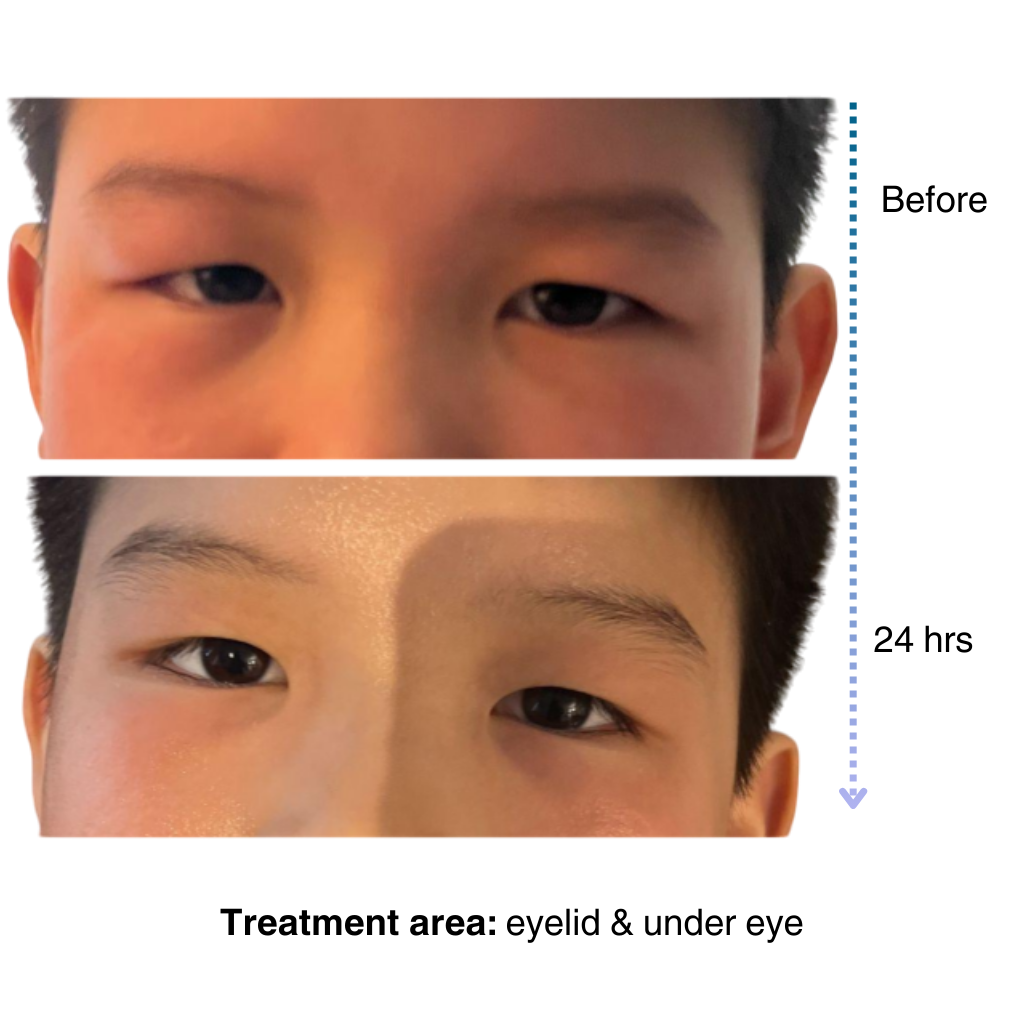
My 7-year old son has been dealing with eczema on his face for a long time, and it’s been so tough to find something that really works…..I’m amazed by the results! Within one day, the redness and rough patches on his face significantly improved…. he doesn’t mind using it at all because it doesn’t sting or feel greasy. – Lily
Newsletter Signup

Like many of you, our eczema journey is personal. That’s why we’re committed to creating a space for the eczema community to share experiences, be empowered through evidence-based solutions, and learn practical tips for daily life.  

– Sajjad, Founder & CEO of NellaDerm

Eczema treatment
Shopping Cart