Scalp Eczema Treatment 2026: Best Shampoos & Derm Tips

Scalp eczema is an umbrella term people use for several look-alike problems: seborrheic dermatitis (the dandruff family), atopic dermatitis on the scalp and hairline, and allergic or irritant contact dermatitis from hair dye, fragrance, or styling products. The right routine depends on which one you are dealing with. This guide shows you how to tell them apart in plain language, which ingredients help, exactly how to use medicated shampoos, and the daily habits that keep scalp eczema quiet.
eyelid eczema

First: What Kind Of Scalp Eczema Do You Have?

Seborrheic dermatitis (dandruff-type “scalp eczema”)
Greasy scale, flakes on shoulders, itchy crown, often worse in cool weather or with stress. Brows, sides of nose, and beard may also be flaky.


Atopic dermatitis on the scalp
Dry, intensely itchy patches; often extends to the neck, hairline, or behind the ears. You may have eczema elsewhere, asthma, or allergies.


Contact dermatitis
Red, itchy rash exactly where a product touches (hairline, ears, nape). Flares after new dye, shampoo, dry shampoo, fragrance, or a different conditioner.


Psoriasis masquerading as eczema
Thicker plaques with sharp edges and silvery scale; may show on elbows or knees. Management overlaps but often needs a different medication plan.


If you suspect allergy to hair dye or fragrance, ask your dermatologist about patch testing and see our color-care guide for ideas on safer techniques. Please refer to our blog for more details on when to see a dermatologist.


Ingredients That Work (And When To Use Them)

For most adults, “scalp eczema” means seborrheic dermatitis driven by Malassezia yeast plus inflammation. That is why antifungal shampoos are first line. For atopic or contact-driven flares, anti-inflammatory topicals and product elimination matter most. Use this menu to build your plan.


Antifungal shampoos (for seborrheic dermatitis)

  • Ketoconazole 1–2%: hallmark option for yeast control. In a multicenter randomized trial published in PubMed Central, ketoconazole 2% shampoo outperformed zinc pyrithione 1% for severe scalp seborrheic dermatitis over 4 weeks.
  • Ciclopirox 1%: another effective antifungal that many tolerate well.
  • Selenium disulfide 1–2.5%: good for heavy flake but can be odorous; rinse thoroughly.
  • Zinc pyrithione 1%: helpful for milder cases and maintenance.

Scale-lifting helpers

  • Salicylic acid or sulfur shampoos: loosen thick scale so antifungals can reach skin.
  • Coal tar: anti-inflammatory and anti-proliferative; useful for stubborn buildup (not everyone loves the scent).

Anti-inflammatory leave-ons (for atopic/contact involvement)

  • Topical steroid solutions, foams, or oils (by prescription): short courses calm hot, itchy patches without gumming up hair.
  • Topical calcineurin inhibitors (pimecrolimus, tacrolimus) for hairline, ears, and neck where skin is thin and steroid sparing is helpful.
  • Fluocinolone scalp oil: gentle option for children or sensitive scalps when prescribed.

Barrier support around the scalp

Hair itself makes leave-on creams tricky. Focus barrier products on exposed skin: hairline, behind ears, and nape. If you want a single fragrance-free base step after rinsing those areas, consider NellaCalm Steroid-Free Eczema Cream for hairline and ear creases.


How To Use Medicated Shampoos So They Actually Work

Most people underuse medicated shampoos or rinse too fast. Here’s the playbook dermatologists teach:

  1. Start with dry or barely damp hair. Heavy water dilutes actives.
  2. Lather #1 is a wash. Massage into the scalp, not just the hair. Rinse.
  3. Lather #2 is the treatment. Re-apply, focusing on scalp skin.
  4. Contact time matters. Leave on 3–5 minutes (check your bottle). Use a timer.
  5. Rinse thoroughly. Lift hair and rinse the nape and behind ears.
  6. Condition from mid-lengths to ends. Keep conditioners off the scalp if they’re fragranced or heavy.
  7. Frequency: during flares, use your medicated shampoo 2–3 times weekly for 3–4 weeks. For maintenance, step down to once weekly or rotate with a gentle fragrance-free shampoo.

Rotation that works in real life

  • Week 1–4 (flare): Ketoconazole or ciclopirox on Mon/Thu; salicylic acid or selenium disulfide on Sat if scale is heavy; gentle shampoo the rest of the week.
  • After calm returns: Medicated once weekly; gentle shampoo other days.

Contact Dermatitis: Ingredients To Watch

If your “scalp eczema” spikes after new products or color, strip your routine back to basics:

  • Avoid fragrance/parfum, isopropyl myristate heavy leave-ins, and dry shampoos you spray directly onto the scalp.
  • Be suspicious of p-phenylenediamine (PPD) and related dyes in permanent color; ask colorists for off-scalp techniques (foils, balayage) and consider patch testing before future color services.
  • Choose fragrance-free or low-fragrance gels and creams; apply to hair lengths, not scalp skin.

A Two-Week Scalp Eczema Plan You Can Copy

Days 1–3

  • Switch to a fragrance-free gentle shampoo on off-days.
  • Use your antifungal shampoo every other day with 3–5 minute contact.
  • At night, apply steroid solution or calcineurin inhibitor to the itchiest patches at the hairline or nape if prescribed.

Days 4–7

  • If thick scale persists, add salicylic acid shampoo once.
  • Rinse longer than you think. Air-dry or low heat to avoid sweat and friction.
  • Moisturize hairline and ear creases after showers while skin is slightly damp.

Week 2

  • Continue antifungal twice weekly; gentle shampoo otherwise.
  • Reduce leave-on steroids per your prescription; keep barrier care on exposed skin.
  • If your scalp is calm, step down to weekly medicated maintenance.

If itch or flaking returns quickly when you step down, maintain medicated shampoo once weekly for a month, then try again.


Kids And “Cradle Cap” (Infant Seborrheic Dermatitis)

For infants, yellow, adherent scalp scale with minimal itch is common and usually temporary.

  • Soften with a few drops of mineral or sunflower oil for 15 minutes, then wash with a gentle fragrance-free baby shampoo.
  • Gently lift softened scale with a soft brush; do not scratch.
  • If redness spreads or baby seems uncomfortable, ask your pediatric clinician about a brief course of medicated shampoo or a mild anti-inflammatory.

For older children, check out NellaDerm’s blog about dealing with atopic dermatitis at school.


Styling, Sweat, And Everyday Habits

  • Sweat plan: blot, do not rub; rinse after workouts and re-seal the hairline with a thin layer of moisturizer.
  • Hats and helmets: line with a soft cotton band; wash liners often.
  • Dry shampoo: if you use it, keep it in the hair lengths, not on scalp skin, and wash it out thoroughly that night.
  • Brush choice: soft, clean bristles; avoid aggressive scalp massage during flares.

When To Call A Dermatologist

  • Thick plaques that do not budge after 4 weeks of correct shampoo use
  • Painful cracks, raw or weepy skin, or spreading redness (possible infection)
  • Suspicion of contact allergy to hair dye or products (ask about patch testing)
  • Signs of psoriasis or hair loss along with inflammation
  • Kids with significant itch or sleep disruption

Your 10-Minute Scalp Eczema Routine (Any Day)

  1. In the shower: 2-step shampoo with proper contact time.
  2. Rinse extra at the nape and behind ears.
  3. Condition mid-lengths only; keep off scalp.
  4. Towel blot hair; avoid rough rubbing.
  5. Moisturize exposed skin (hairline, ears, nape) while slightly damp.
  6. Apply prescribed leave-on only to hot spots if needed.
  7. Air-dry or low heat. High heat + sweat can re-ignite itch.

For a calm nightly routine that pairs with scalp care, use the same “rinse and seal” mindset you use for face and body: moisturize within three minutes after any rinse so water stays in the skin.


Final Thoughts

“Scalp eczema” is manageable when you match the treatment to the cause. Use antifungal shampoos correctly for dandruff-type scalp eczema, short courses of anti-inflammatory leave-ons for atopic or contact flares, clean up the hairline and nape with gentle barrier care, and keep a realistic maintenance rhythm. With that trio: right ingredient, right technique, right routine, most scalps stay calm.

Explore the Eczema Knowledge Hub

Your go-to resource for flare-up relief, skincare tips, and science-backed advice.

FAQs About Scalp Eczema

How long until medicated shampoos work?
Many notice less itch within one to two weeks and much less flake by week three with correct contact time and frequency.


Do I need to shampoo every day?
Not necessarily. During flares, medicate two to three times weekly and use a gentle shampoo on other days based on hair type and oiliness.


Which is better: ketoconazole or zinc pyrithione?
Both help. For moderate to severe seborrheic dermatitis, ketoconazole often performs better, while zinc pyrithione can be useful for maintenance.


Can I color my hair with scalp eczema?
Yes, but wait until skin is calm, request off-scalp techniques, and consider formal patch testing if you have ever reacted.


What about natural oils?
A few drops can soften scale before washing, but leaving heavy oils on the scalp can feed yeast and worsen seborrheic dermatitis. Use sparingly and always shampoo out.

"...this is the best I've tried so far."

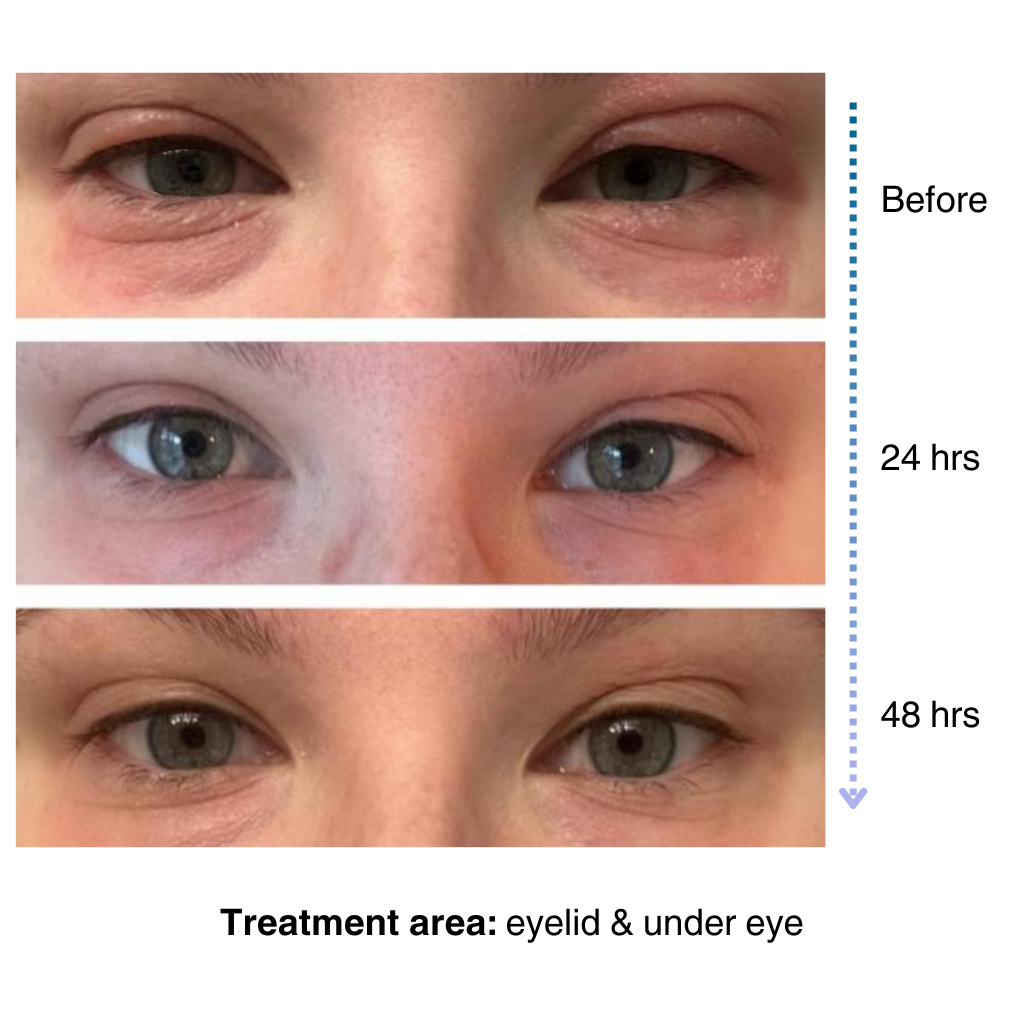
It’s easy to apply and isn’t chalky at all. I’ve been applying it multiple times a day… I’ve tried multiple new products to try and treat my eye eczema, and this is definitely the best I’ve tried so far.

"Game-changer for my son's eczema"

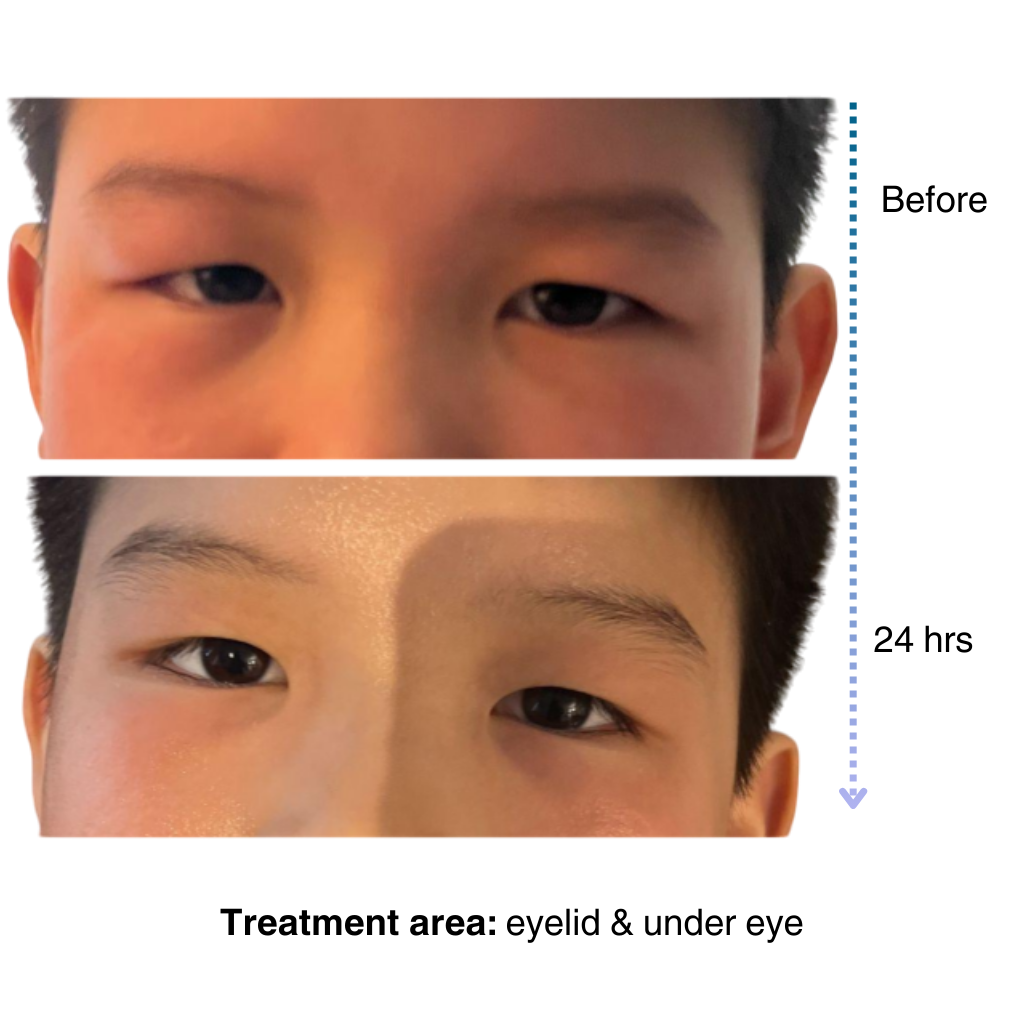
My 7-year old son has been dealing with eczema on his face for a long time, and it’s been so tough to find something that really works…..I’m amazed by the results! Within one day, the redness and rough patches on his face significantly improved…. he doesn’t mind using it at all because it doesn’t sting or feel greasy. – Lily
Sign up for eczema management tips, special offers, and real stories from people who’ve been where you are. Plus, get 5% off your first order.

Like many of you, our eczema journey is personal. That’s why we’re committed to creating a space for the eczema community to share experiences, be empowered through evidence-based solutions, and learn practical tips for daily life.  

– Sajjad, Founder & CEO of NellaDerm

Eczema treatment
Shopping Cart