
Eczema concerns?
FREE
Get instant expert guidance with our smart AI platform.
Join NowEczema is a complex skin condition influenced by both internal and external factors, but among the least discussed is the powerful role of stress. Emotional stress doesn’t just impact your mood. It can also disrupt your immune system and skin barrier, leading to persistent, itchy flare ups. If you’ve ever noticed your eczema gets worse during exams, work deadlines, or emotional challenges, you’re likely dealing with stress induced eczema.
In this guide, we’ll break down why stress affects your skin, and most importantly, how to calm these flare ups using natural, dermatologist-supported strategies.

Eczema flare ups often seem random, but for many sufferers, stress is a hidden trigger that quietly fuels inflammation and itching. Whether it is work deadlines, family tension, or ongoing anxiety, psychological pressure can turn a stable skin condition into a full blown crisis. Understanding this mind skin connection is the first step toward lasting relief.
This guide explores the science linking stress and eczema, reveals clear signs of stress induced flares, and offers eight practical, dermatologist aligned strategies to calm both your nervous system and your skin without relying solely on medication.
Eczema, or atopic dermatitis, is characterized by an impaired skin barrier and an overactive immune response. Stress activates the hypothalamic pituitary adrenal (HPA) axis, leading to the release of cortisol and other stress hormones. While cortisol is helpful in short bursts, chronic stress can weaken the skin barrier, reduce hydration, and amplify inflammatory responses, all of which worsen eczema.
A 2022 study published in Annals of Dermatology found a clear connection between psychological stress and exacerbation of atopic dermatitis. Patients under stress showed increased itch perception and higher symptom severity. Researchers suggest that stress management should be a core component of eczema care.
You may be experiencing stress induced eczema if:
Stress already compromises your skin barrier, so your skincare routine should focus on calming and restoring. That means cutting out all irritants.
What to do:
Try NellaCalm by NellaDerm, which is formulated with ceramides and calming plant based ingredients specifically for sensitive skin.
If you’re new to the concept, read our blog on the 3 Minute Rule to lock in hydration effectively.
Mindfulness techniques, including deep breathing, meditation, and body scanning, have been shown to lower cortisol levels and ease the intensity of eczema flare ups.
Simple practice: Try the “4 7 8” breath:
You can also try guided meditations with apps like Insight Timer or Calm, focusing on body awareness and emotional detachment from itch scratch cycles.
Lack of sleep increases stress and weakens immune function: both of which worsen eczema. Stress induced eczema can cause a vicious cycle: stress causes flare ups, itching disrupts sleep, and poor sleep worsens both skin and stress.
Tips to sleep better with eczema:
Herbs like ashwagandha, chamomile, and lemon balm may reduce cortisol and support the nervous system. While they’re not a direct eczema treatment, they help regulate the stress response that triggers flares.
Before you begin: Always consult your doctor or dermatologist before using any new herbs, especially if you’re on medication.
For tea drinkers, calming blends like chamomile and licorice root (anti inflammatory) can be soothing in the evening. Chamomile also has anecdotal topical benefits, though some people with ragweed allergies should patch test first.
Stress amplifies itch perception, leading to neurogenic inflammation. Scratching releases more inflammatory signals, worsening the eczema loop.
Natural ways to relieve itching:
During high stress weeks, consider wrapping hands at night or wearing eczema mittens to prevent unconscious scratching.
While intense exercise may trigger sweating and worsen eczema for some, moderate, consistent movement can improve circulation, reduce stress, and improve immune resilience.
Great eczema friendly options:
If gym workouts cause overheating, opt for low impact stretches or a home routine with proper hydration.
Your external environment plays a huge role in both skin barrier health and mental well being.
To reduce indoor triggers:
Tracking your eczema flare ups alongside your emotional state is one of the most revealing ways to understand stress induced eczema.
What to record:
Over time, patterns emerge, empowering you to make more informed lifestyle and treatment choices.
Stress induced eczema is a real and frustrating condition, but it doesn’t mean you’re helpless. By focusing on calming your nervous system, building healthy skin habits, and protecting your peace, you can break the cycle.
There’s no one size fits all solution, but a holistic approach that combines emotional regulation, natural skincare, and lifestyle adjustments gives your body the best chance to heal.
If you’re ready to simplify your routine and support your skin barrier, explore NellaDerm’s eczema safe skincare. Each product is dermatologist tested, free of synthetic irritants, and designed with sensitive skin in mind.
And for more expert eczema content, check out our Eczema Knowledge Hub.
Cortisol, the primary stress hormone, influences nearly every cell in the body, including keratinocytes responsible for skin barrier integrity. During prolonged stress, elevated cortisol suppresses the production of ceramides and filaggrin, two essential components that keep moisture in and irritants out. This biochemical shift creates microscopic cracks in the stratum corneum, allowing allergens and bacteria to penetrate more easily.
Additionally, stress hormones increase transepidermal water loss (TEWL) by up to 30 percent in eczema patients, according to clinical measurements. This accelerated dehydration triggers compensatory inflammation as the immune system attempts to repair perceived damage. Over time, repeated stress episodes train the skin to remain in a heightened alert state, making even minor triggers provoke major reactions.
Neurotransmitters like substance P and nerve growth factor also surge under stress, directly stimulating mast cells to release histamine. This explains why emotional tension often precedes intense itching episodes, even before visible redness appears. Breaking this hormonal cascade requires consistent stress reduction alongside targeted barrier repair with lipid rich moisturizers.
Understanding these pathways empowers patients to intervene early. Simple cortisol lowering practices, when paired with ceramide based creams, can restore barrier function within weeks, reducing both frequency and severity of stress triggered flares.
Modern work environments present unique challenges for eczema management. Long hours at desks, air conditioned offices, and performance pressure create a perfect storm for stress induced skin reactions. Implementing micro habits throughout the workday can significantly reduce flare risk without disrupting productivity.
Start by optimizing your workspace ergonomics. Position monitors at eye level to reduce neck tension, which indirectly lowers overall stress. Keep a fragrance free hand cream at your desk and apply it every two hours to combat dry office air. Many professionals find that silicone based barrier films provide longer lasting protection during extended computer use.
Schedule brief movement breaks every 90 minutes. A, such as walking to refill water or doing wrist stretches, improve circulation and prevent cortisol buildup. Use noise canceling headphones with calming instrumental music to buffer open office stress without isolating yourself completely from colleagues.
Digital boundaries are crucial. Set specific times to check email rather than constant notifications. Many eczema sufferers report fewer evening flares after implementing a 6 PM digital cutoff. Consider discussing flexible deadlines during high pressure periods with managers, framing it as preventive health management rather than inability to cope.
Remote workers face different challenges but similar solutions. Create a dedicated workspace separate from relaxation areas to maintain psychological boundaries. Natural light exposure during morning hours helps regulate circadian rhythms, stabilizing both mood and skin repair cycles throughout the day.
Children with eczema experience stress differently than adults, often manifesting through school anxiety, bullying, or family changes. Their developing nervous systems make them particularly vulnerable to the itch stress cycle, with studies showing that academic pressure alone can increase flare severity by 40 percent in pediatric patients.
Parents should watch for behavioral cues rather than expecting verbal expression of stress. Increased scratching during homework, resistance to bedtime, or frequent complaints about clothing tags often signal emotional overload. Establishing predictable routines provides security that buffers against stress induced immune activation.
Family wide stress reduction benefits everyone. Implement device free dinner hours where conversation focuses on positive daily events. Create a calming bedtime ritual involving gentle massage with fragrance free moisturizer, which serves dual purposes of barrier support and emotional bonding. Many families find that reading together or practicing child friendly breathing exercises strengthens resilience across generations.
School coordination is essential. Work with teachers to identify potential triggers like art supplies or gym uniforms. Some children benefit from having a small comfort item or stress ball during tests. Pediatric dermatologists increasingly recommend mindfulness programs tailored for elementary ages, with evidence showing reduced scratching frequency after just four weeks of practice.
Remember that parental stress transfers to children. Modeling healthy coping mechanisms teaches lifelong skills while creating a more peaceful home environment that supports everyone’s skin health.
Diet influences both stress response and skin inflammation through multiple pathways. While food alone cannot cure eczema, strategic nutritional choices can significantly dampen the stress flare connection. Focus on whole foods that stabilize blood sugar, provide omega 3 fatty acids, and supply antioxidants to counteract cortisol driven damage.
Fatty fish like salmon, sardines, and mackerel deliver EPA and DHA, which clinical trials show reduce inflammatory cytokines by up to 30 percent in eczema patients. For plant based diets, algae oil supplements provide comparable benefits without fish allergens. Aim for two to three servings weekly, paired with vitamin D rich foods to enhance anti inflammatory effects.
Magnesium rich foods including spinach, pumpkin seeds, and dark chocolate help regulate the HPA axis and improve sleep quality. Many eczema sufferers are magnesium deficient due to chronic inflammation, creating a deficiency stress inflammation loop that dietary correction can interrupt. Fermented foods like kefir, sauerkraut, and kimchi support gut microbiome diversity, which emerging research links to reduced stress reactivity and fewer skin flares.
Avoid common inflammatory triggers like excessive sugar, processed foods, and nightshades if personal tracking reveals sensitivity. Keep a combined food mood skin journal for two weeks to identify individual patterns. Many patients discover that stable blood sugar from balanced meals prevents the afternoon energy crashes that often precede evening scratching bouts.
Hydration cannot be overlooked. Stress increases cellular dehydration, compounding skin dryness. Aim for half your body weight in ounces of water daily, adding electrolyte packets during high stress periods to maintain mineral balance crucial for barrier function.
While lifestyle strategies help many patients, certain situations warrant professional intervention. Persistent flares despite consistent stress management may indicate underlying anxiety disorders or depression requiring targeted treatment. Cognitive behavioral therapy (CBT) specifically adapted for dermatological conditions shows success rates above 70 percent in reducing both psychological distress and visible symptoms.
Sleep disturbances lasting more than two weeks, especially when accompanied by suicidal thoughts or significant mood changes, require immediate medical attention. Dermatologists increasingly collaborate with psychologists to offer integrated care plans that address both skin and mind simultaneously.
Medication options exist for severe cases. Low dose antidepressants like doxepin provide dual benefits of itch control and anxiety reduction. Newer biologic therapies targeting specific inflammatory pathways may be appropriate when stress management alone proves insufficient. Always discuss potential interactions between psychiatric medications and topical treatments with your healthcare team.
Support groups, both in person and online, offer valuable peer insight. Connecting with others who understand the emotional toll of visible skin conditions reduces isolation and provides practical coping strategies proven effective through shared experience.
Stress follows seasonal rhythms that impact eczema predictability. Holiday seasons bring family obligations and financial pressure, while summer often involves travel disruption and heat induced discomfort. Recognizing these patterns allows proactive rather than reactive management.
Winter presents unique challenges with indoor heating and reduced sunlight exposure affecting vitamin D levels and mood. Counteract with full spectrum light therapy boxes used for 20 minutes each morning and consistent humidifier use to maintain 40 to 60 percent indoor humidity. Many patients benefit from planning lower key celebrations that preserve energy for self care routines.
Summer requires different precautions. Heat and sweat trigger stress responses in temperature sensitive individuals. Keep cooling gel packs in the refrigerator for immediate itch relief and shower with lukewarm water immediately after outdoor activities. Travel sized moisturizers and stress balls fit easily in carry on luggage to maintain routines away from home.
Year round consistency remains the foundation of success. Establish non negotiable daily practices like morning meditation, evening skincare rituals, and weekly reflection journaling. These anchors provide stability through seasonal fluctuations, training both mind and skin to respond with greater resilience to whatever stressors arise.
Q: Can stress alone really cause eczema flare ups?
A: Yes. While not the sole cause, stress can absolutely trigger and worsen eczema—even in the absence of physical irritants.
Q: Are natural methods enough to manage stress induced eczema?
A: For mild to moderate cases, yes. In more severe situations, natural methods should complement medical care under a dermatologist’s guidance.
Q: How long does it take to see improvement with stress reduction?
A: Everyone’s body is different. Some people notice calmer skin within days of implementing relaxation techniques; others may take weeks.
Q: Can children and teens use these natural strategies too?
A: Yes, though adaptogen herbs should be used only under pediatrician supervision. Mindfulness, sleep hygiene, and gentle skincare are safe for all ages.
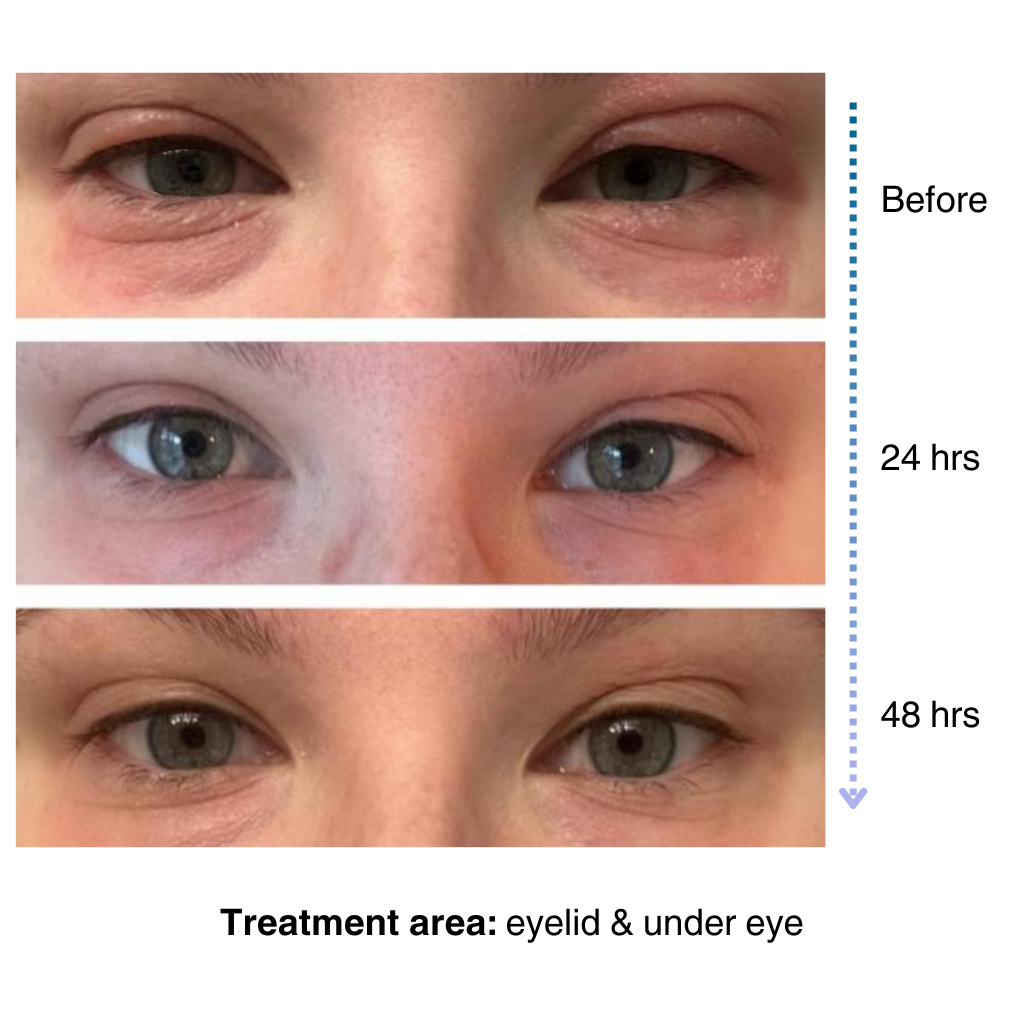
It’s easy to apply and isn’t chalky at all. I’ve been applying it multiple times a day… I’ve tried multiple new products to try and treat my eye eczema, and this is definitely the best I’ve tried so far.
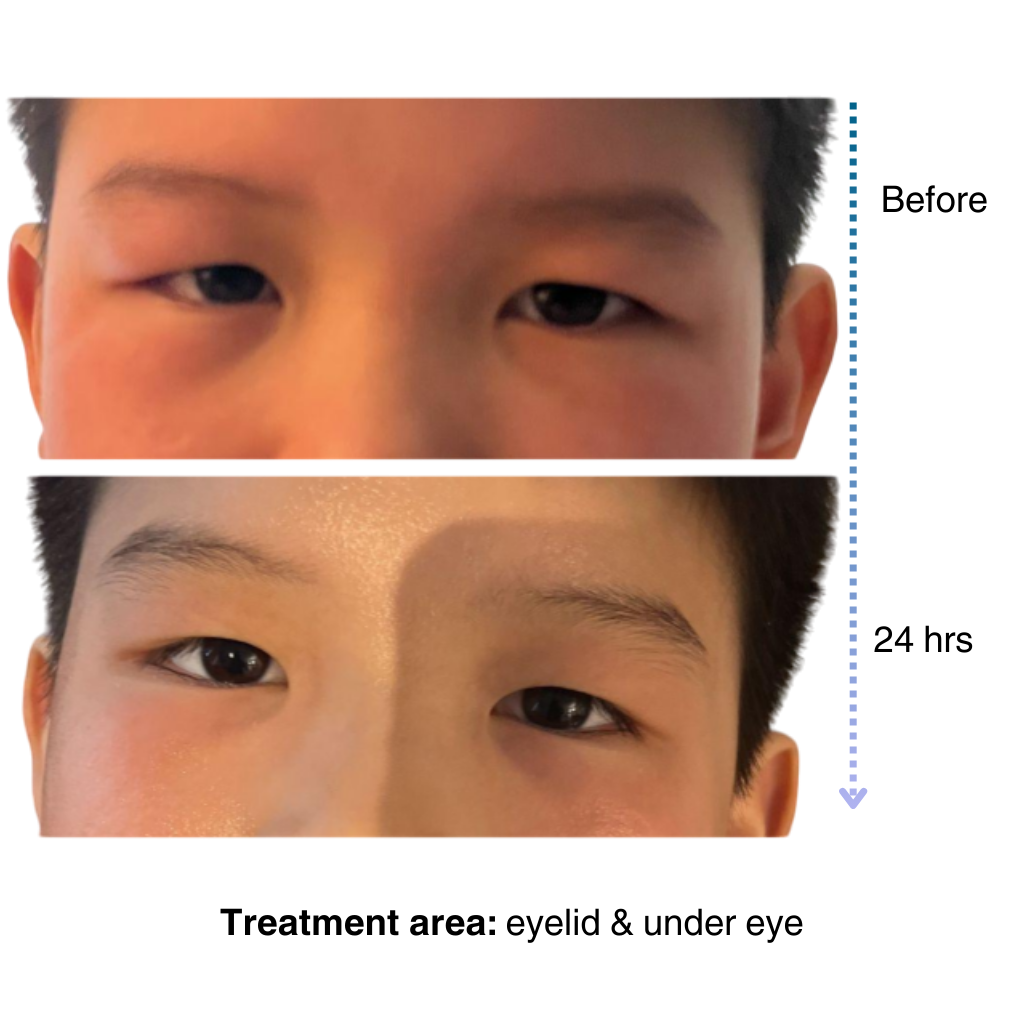
My 7-year old son has been dealing with eczema on his face for a long time, and it’s been so tough to find something that really works…..I’m amazed by the results! Within one day, the redness and rough patches on his face significantly improved…. he doesn’t mind using it at all because it doesn’t sting or feel greasy. – Lily

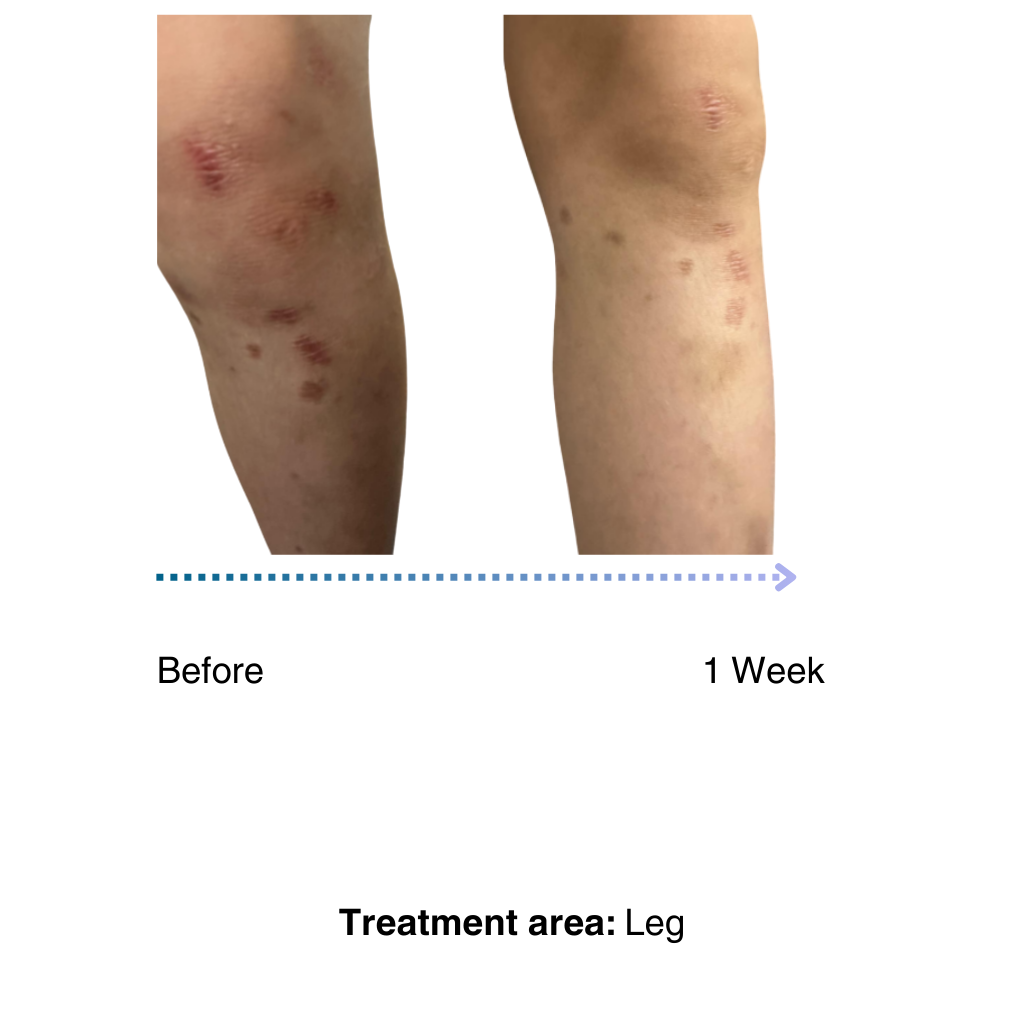
Like many of you, our eczema journey is personal. That’s why we’re committed to creating a space for the eczema community to share experiences, be empowered through evidence-based solutions, and learn practical tips for daily life.
– Sajjad, Founder & CEO of NellaDerm
