
Eczema concerns?
FREE
Get instant expert guidance with our smart AI platform.
Join NowFew things derail a sunny day faster than a child rubbing burning eyes or clawing at itchy cheeks after sunscreen. Kids’ skin is thinner, often already irritated, and frequently wiped, licked, and sweated on. Many families learn the hard way that the wrong product—or the right product used the wrong way—can turn protection into a flare. The good news: with a short checklist, a gentle application method, and a repeatable school or camp routine, sunscreen for kids with eczema can be simple, fast, and sting-free.
A 2024 clinical study in Journal of Drugs in Dermatology found an SPF 50 sunscreen was well tolerated in ethnically diverse children with a history of atopic dermatitis, with no adverse events during four weeks of use, reassuring support for carefully chosen products in sensitive skin.

For a deeper dive on filters and application, you can also bookmark: Sunscreen Success: Powerful Protection for Eczema‑Prone Skin
1) Go mineral first.
Look for zinc oxide and/or titanium dioxide as the active ingredients. Dermatology groups often recommend “physical” or mineral filters for sensitive and eczema-prone skin, and US regulators recognize zinc oxide and titanium dioxide as having supportive safety data.
2) Prioritize “fragrance-free.”
“Unscented” can still hide masking fragrance. Fragrance is a common cause of allergic contact dermatitis in kids and can quietly keep lids and cheeks irritated.
3) Pick the right format for each job.
4) Check the label for “broad spectrum” and “water resistance.”
“Broad spectrum” means UVA and UVB coverage; water-resistance claims (40 or 80 minutes) matter for splash pads and camp swim.
5) Keep the ingredient list short.
Fewer botanical extras, fewer surprises. Aim for simple, fragrance-free formulas without alcohol denat., menthol, high essential-oil loads, or glitter.
Before the first big sun day, do this once with any new product:
This quick check prevents cliff-edge meltdowns at the playground or drop-off.
Kids with eczema do best when sunscreen is part of the AM moisturizing routine, not an afterthought at the door.
Step-by-step (five minutes tops)
This order reduces sting, improves spread, and helps sunscreen sit evenly on the barrier instead of fighting it.
Prep the night before
At drop-off
Counselor script (short and friendly)
“This is a fragrance-free mineral sunscreen. We use the stick for face and ears and the cream for arms. Please press to apply, not rub. Reapply every two hours and after water play.”
Reapply routine
Clothing does the heavy lifting
Heat and sweat make thin formulas run into eyes. For sports-intensive days:
Two patterns are common:
Immediate sting
Often an irritant reaction on already inflamed skin or on very thin areas. Fix the application method (press, do not rub), moisturize first, switch to a stick for the eye area, and confirm the product is fragrance-free mineral.
Rash hours to days later
This suggests allergic contact dermatitis to a filter, fragrance, preservative, or even a product used on hands or hair that migrates to the face. Talk with your dermatologist about patch testing if this keeps happening—knowing the exact culprit (for example, fragrance mix, benzophenone-3, or a specific preservative) ends the guesswork. For background on sunscreen-related allergy patterns, see this clinical review.
For step-by-step moisturizing timing, this explainer is handy: Three Minute Rule: Timing Moisturizer For Maximum Relief.
“Are mineral sunscreens really safer?”
Mineral filters are broadly recommended for sensitive skin, and US regulators cite supportive safety data for zinc oxide and titanium dioxide in sunscreens. They also tend to sting less on eczema-prone skin, especially around eyes.
“Does higher SPF always mean better?”
SPF 30 is usually enough when applied generously and reapplied. Higher SPF can give a cushion for rushed applications, but reapplication and coverage matter more than chasing SPF 100.
“Sprays or sticks for kids with eczema?”
Sticks are easiest on faces and around eyes. Sprays can be inhaled and are harder to apply evenly; if you use them for limbs, spray into your hands first, then apply like a lotion.
“Will tinted mineral work on deeper skin tones?”
Often yes—modern tints reduce white cast and can double as a lightweight complexion corrector for older kids and teens.
“What about reef safety?”
Many camps and beaches ask for mineral sunscreens because they are thought to be friendlier to aquatic life; always follow local rules.
Sunscreen Plan for
My child has eczema and uses a fragrance-free mineral sunscreen. Please press to apply, not rub, especially near eyes. Use the stick for face and ears and the cream on arms and legs. Reapply every two hours outdoors and after swimming or heavy sweat. Thank you for helping us prevent stinging and flares.
Days 1–3: Test and Set
Days 4–7: Practice and Observe
Days 8–14: School or Camp Launch
The best sunscreen for kids with eczema is the one your child will actually wear without tears. Start with mineral, fragrance-free formulas; apply after moisturizer using a press-to-spread method; lean on UPF clothing and shade; and build a simple reapply routine that staff can follow. Do one quick patch test before big days, and keep a stick in every bag for fast touch-ups. With these small habits, “sunscreen time” shifts from dread to done—and your child gets the sunshine memories without the stinging aftermath.
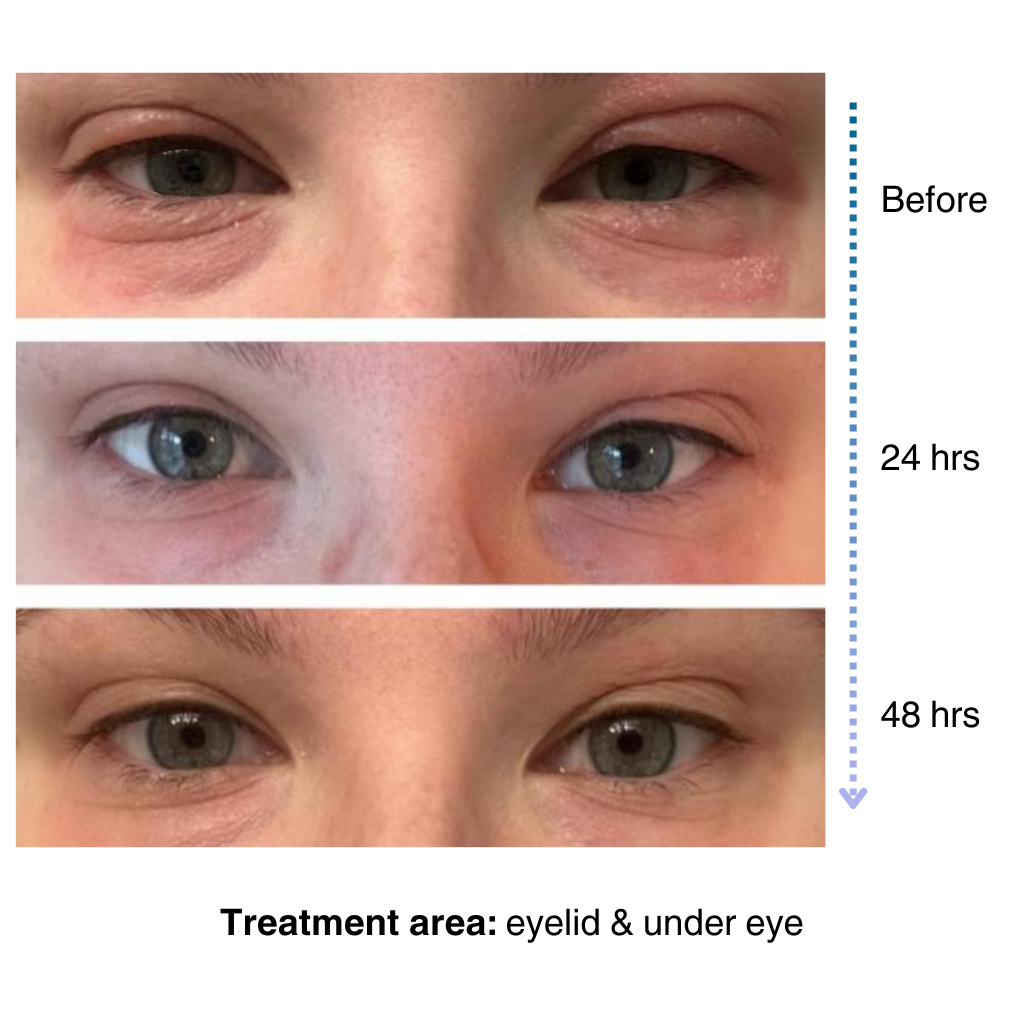
It’s easy to apply and isn’t chalky at all. I’ve been applying it multiple times a day… I’ve tried multiple new products to try and treat my eye eczema, and this is definitely the best I’ve tried so far.
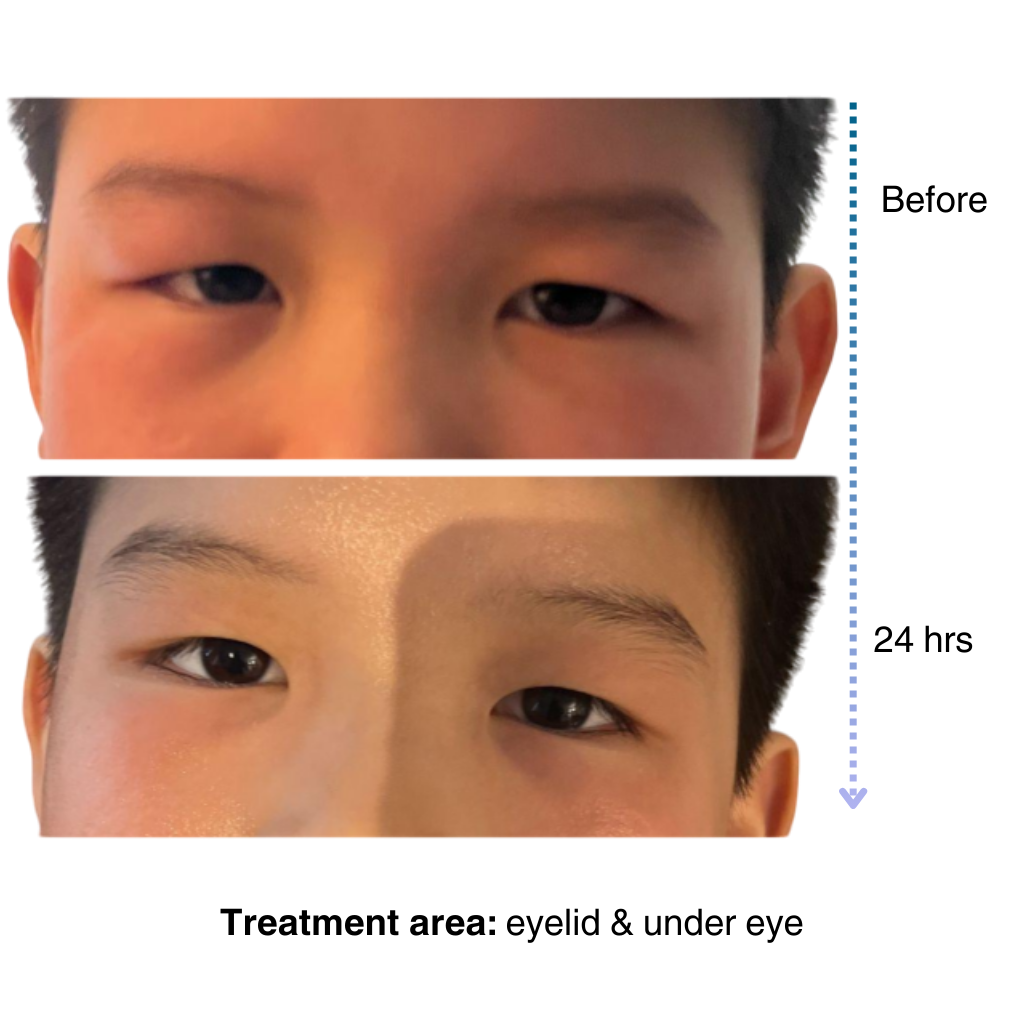
My 7-year old son has been dealing with eczema on his face for a long time, and it’s been so tough to find something that really works…..I’m amazed by the results! Within one day, the redness and rough patches on his face significantly improved…. he doesn’t mind using it at all because it doesn’t sting or feel greasy. – Lily

Get expert advice, exclusive offers, and real stories from people who understand your journey.
Start your skincare journey with an exclusive discount
Practical advice for managing sensitive and eczema-prone skin
Be the first to try our latest technology and product releases
Get 10% off your first order when you sign up
Secure & Private
Instant Access
Premium Content
Like many of you, our eczema journey is personal. That’s why we’re committed to creating a space for the eczema community to share experiences, be empowered through evidence-based solutions, and learn practical tips for daily life.
– Sajjad, Founder & CEO of NellaDerm
