
Swimming With Eczema: Pools, Sea Water & Recovery
Swimming is great for fitness and stress relief, but pool chemicals, salt, heat, and tight suits can flip a calm week into an itchy one. You do not have to avoid the water. With the right prep, gear, and a predictable recovery routine, swimming with eczema can be comfortable and consistent.

Swimming with Eczema: A Practical Guide
The Essentials In One Minute
- Pre-coat the barrier. Apply a thin layer of fragrance-free moisturizer 15–30 minutes before you get in.
- Rinse off immediately after you get out, then moisturize within three minutes while skin is slightly damp.
- Choose friendly water. A well-maintained pool usually beats stagnant lake water.
- Wear glide fabrics. Smooth rash guards and lined suits reduce friction.
- Keep a pocket kit. Travel moisturizer, soft cloth, mineral sunscreen stick, and a spare rash guard.
For moisturizer timing that locks in water, keep this handy: Three Minute Rule: Timing Moisturizer For Maximum Relief.
Chlorine Pools: Friend Or Foe?
Chlorine keeps water sanitary, which is helpful when the skin barrier is compromised. For some, long sessions leave skin tight or stingy; for others, a balanced pool actually calms things down.
Make Chlorine Work for You
- Check the pool. Clear water with only a faint chlorine smell is your goal. A strong “pool smell” often means chloramines, not extra cleanliness.
- Pre-swim seal. Smooth a thin layer of moisturizer on areas your suit will cover and any hot spots. Let it sit at least 10 minutes so it forms a film.
- Gear up. Silicone goggles and caps reduce rubbing around the eyelids and hairline, which are common flare zones.
- Immediate rinse. Use lukewarm water and a fragrance-free syndet cleanser only where needed.
- Moisturize within three minutes. Trap clean water in the stratum corneum before it evaporates.
Clinical note: a randomized trial in the Indian Journal of Dermatology found that twice-weekly dilute sodium hypochlorite (“bleach”) baths improved atopic dermatitis severity and reduced Staphylococcus aureus colonization, helping explain why carefully chlorinated water is often well tolerated for many with eczema.
Sea Water: Salt, Sun, And Wind
Salt can soothe some and sting others, especially if there are open cracks. Ocean days also add wind and sand, which increase friction and dryness.
Your Ocean Plan
- Test the day. If you have fissures, start with a quick wrist or ankle dip.
- Pre-coat as usual, then use mineral sunscreen on exposed areas and reapply every two hours (and after each swim).
- Between swims: do a fresh-water splash, blot—not rub—then spot-moisturize tight areas before sunscreen touch-up.
- Sand tip: rinse sand off before reapplying anything; sand plus rubbing is a guaranteed itch spike.
For a deeper dive on choosing and applying gentler SPF, see: Best Sunscreens for Eczema: Top Dermatologist Picks.
Lakes And Rivers: Read The Conditions
- Prefer moving water or lifeguard-monitored lakes that post water-quality reports.
- Wear water shoes to avoid nicks that invite irritation.
- Rinse promptly and follow the same moisturize-within-three-minutes rule.
Build A Swim-Day Routine You Can Copy
Before You Swim
- Lukewarm shower. Quick rinse; cleanser only for “pits and bits.”
- Pat, do not rub. Leave skin slightly damp.
- Pre-coat. Thin layer of moisturizer everywhere your suit will cover and on known hot spots.
- Sunscreen. Mineral SPF 30+ on exposed skin. Apply after moisturizer sets for a minute.
- Suit up. Choose smooth, lined fabrics that glide; rash guards protect shoulders and back from friction and sun.
Between Swims
- Fresh-water splash at beach or pool showers, or wipe with a soft wet cloth to remove salt/chlorine.
- Blot, then spot-moisturize any area that feels tight before sunscreen re-application.
After You Swim
- Rinse within minutes (lukewarm).
- Gentle cleanse only where needed.
- Pat to damp, then moisturize within three minutes from neck to toes.
- Dress in breathable layers to prevent post-shower sweat from triggering itch.
Sunscreen That Does Not Sting
- Prefer zinc-oxide formulas on face, eyelids, and active patches.
- Apply over a thin moisturizer and press to spread to reduce friction.
- Use sticks or creams for better control around the eyes and hairline.
- Always blot dry before reapplying after a swim.
Gear That Makes Water Days Easier
- Rash guards and swim leggings with smooth UPF fabrics cut friction and sun exposure.
- Soft towels. Some microfibers feel scratchy; pack a smooth cotton option if that is you.
- Silicone caps and goggles to protect hairline and eyelids.
- Water shoes for traction and to avoid abrasions on rocks or pool decks.
- Pocket kit: travel moisturizer, mineral sunscreen stick, soft cloth, spare rash guard.
Use NellaCalm on the go for a steroid-free, barrier-repairing moisturizer.
Kids And Teens
- Keep sessions shorter for very young swimmers; moisturize before and after every dip.
- Use zinc-based sticks for cheeks, nose, and ears.
- Rinse off sand and pool water often, then re-seal.
- Pack a dry change of smooth clothing so they are not sitting in a wet suit.
Ears, Eyes, And Hairline
- Eyelids are thin and sting easily: moisturize first, then a tiny amount of mineral sunscreen; sunglasses help.
- Outer ears can get irritated by straps and salt: rinse and moisturize after swimming.
- Hairline and neck can flare if hair products interact with chlorine: rinse thoroughly and moisturize the nape after showering.
Simple Laundry For Suits And Towels
Residue in fabrics keeps irritation smoldering.
- Use fragrance-free liquid detergent.
- Measure the smallest effective dose.
- Run an extra rinse for suits and towels.
- Skip fabric softeners and scent boosters; use wool dryer balls if you like.
When You Are In A Flare
- Keep sessions short and calm (cooler water, gentler conditions).
- Pre-coat generously and prioritize a quick post-swim rinse and moisturize.
- Consider a post-swim wet wrap for stubborn plaques: moisturize, apply a damp cotton layer, then a dry layer for 20–30 minutes.
- Use your prescribed topical exactly as directed after the shower so small patches do not snowball.
A Realistic Two-Week Swim Plan
Week 1
- Swim two or three times in a well-maintained pool during cooler parts of the day.
- Use the full routine: pre-coat, rinse promptly, moisturize within three minutes.
- Track a simple nightly itch score (0–10).
Week 2
- Add an ocean or lake day if you like.
- Keep the same routine and compare your itch score.
- If one environment is clearly friendlier, make it your default and save the other for short, special sessions.
Final Thoughts
You can absolutely enjoy swimming with eczema. Pre-coat the barrier, rinse off fast, and moisturize within three minutes. Choose the friendliest water for your skin, lean on mineral sunscreen and shade for protection, and use a short wet wrap if a patch flares. With a repeatable routine and a small pocket kit, water days feel good again.
Frequently Asked Questions
Does chlorine always make eczema worse?
Not necessarily. Many people are fine in a balanced pool, especially with a pre-coat and a fast post-swim rinse. Problems often come from poorly maintained water or skipping moisturizer afterward.
Is sea water better for eczema?
It depends. Salt can soothe some and sting others. The bigger factors are sun, wind, and sand friction. Rinse and re-seal often.
Are hot tubs a bad idea?
High heat and strong chemicals usually equal sting. If you do use one, keep it very short and follow the same rinse-and-seal routine.
What should I do if sunscreen burns the moment I apply it at the beach?
Blot off salt and water, apply a tiny bit of moisturizer, wait a minute, then press on a mineral sunscreen. If it still stings, rely on shade and UPF clothing until skin settles.
Can swimming spread infection?
Public pools are chlorinated for safety, but if you have oozing, honey-colored crust, spreading redness, or fever, skip the swim and seek care.
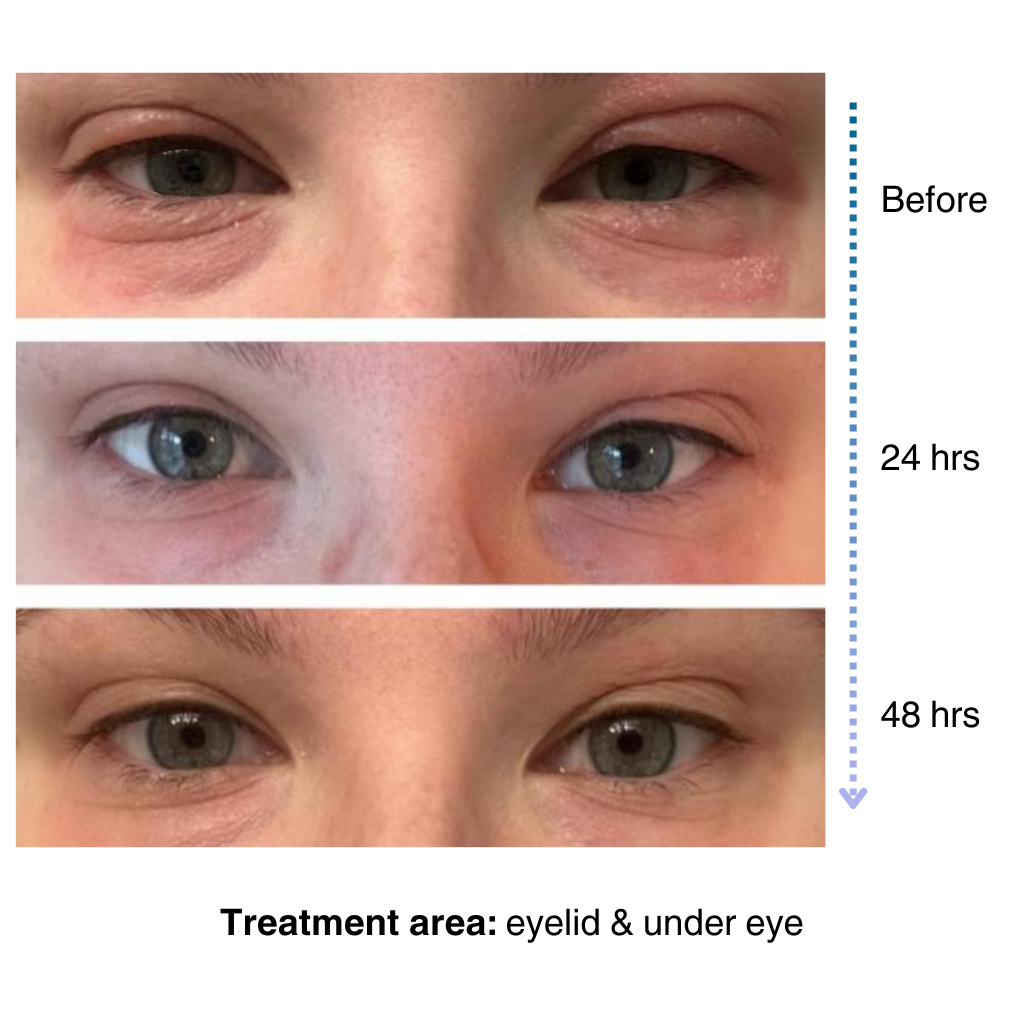
"...this is the best I've tried so far."
It’s easy to apply and isn’t chalky at all. I’ve been applying it multiple times a day… I’ve tried multiple new products to try and treat my eye eczema, and this is definitely the best I’ve tried so far.
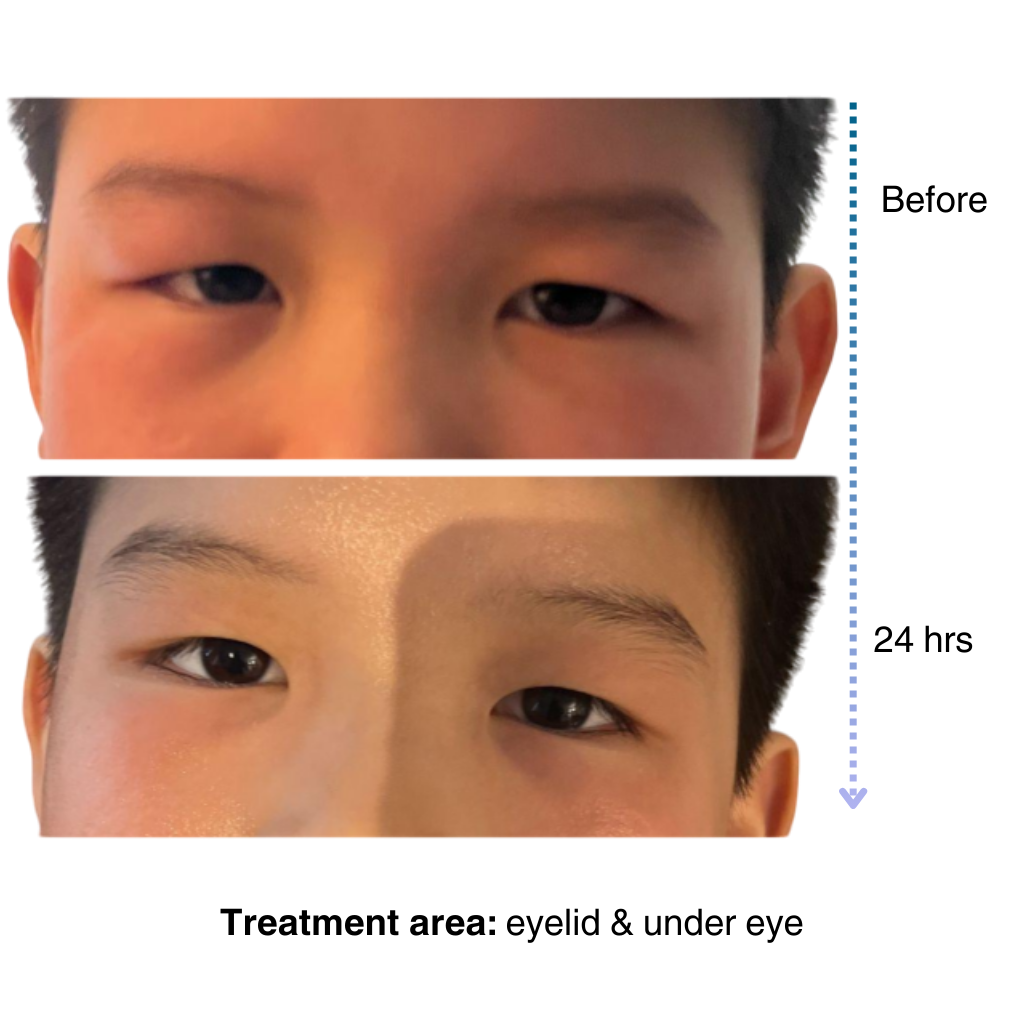
"Game-changer for my son's eczema"
My 7-year old son has been dealing with eczema on his face for a long time, and it’s been so tough to find something that really works…..I’m amazed by the results! Within one day, the redness and rough patches on his face significantly improved…. he doesn’t mind using it at all because it doesn’t sting or feel greasy. – Lily

More Helpful Eczema Articles You Should Read
- Midday Skin Resets for Eczema-Prone Skin
- Commuting With Eczema: Transit, Cars, and Pollution
- Habit Stacking for Eczema: Skincare That Sticks
- Eczema and Coffee: Does Caffeine Affect Skin?
- Humidity Eczema Relief: Nighttime Bedroom Fixes
- Keloids and Eczema: Managing Scars on Dark Skin
- Nail Eczema: How to Care for Nails Without Stings
- Eczema in Newborns: What Parents Should Know
- Eczema and Arthritis: Hand-Care for Skin & Joints
- Eczema in College: A Budget-Friendly Survival Guide
Join our community
Get expert advice, exclusive offers, and real stories from people who understand your journey.
10% off your first order
Start your skincare journey with an exclusive discount
Eczema management tips
Practical advice for managing sensitive and eczema-prone skin
Early access to innovations
Be the first to try our latest technology and product releases
Join our newsletter
Get 10% off your first order when you sign up
Secure & Private
Instant Access
Premium Content
Like many of you, our eczema journey is personal. That’s why we’re committed to creating a space for the eczema community to share experiences, be empowered through evidence-based solutions, and learn practical tips for daily life.
– Sajjad, Founder & CEO of NellaDerm
