
Eczema concerns?
FREE
Get instant expert guidance with our smart AI platform.
Join NowNew ink or a piercing can be a confidence boost, but sensitive, barrier-fragile skin needs extra planning. With atopic skin you are more prone to dryness, irritation, and scratching, exactly the things that turn a fun upgrade into a weeks-long flare. This guide shows you how to approach tattoos with eczema (and piercings, too) the smart way: how to pick timing and placement, what to ask the artist or piercer, how to patch test ink or metals, and the precise aftercare sequence that keeps skin calm.
A 2012 peer-reviewed article from NIH speak of body piercing complications highlight infection risk, allergic contact dermatitis (especially to nickel), and the importance of meticulous aftercare and material choice: core issues for people considering tattoos with eczema.
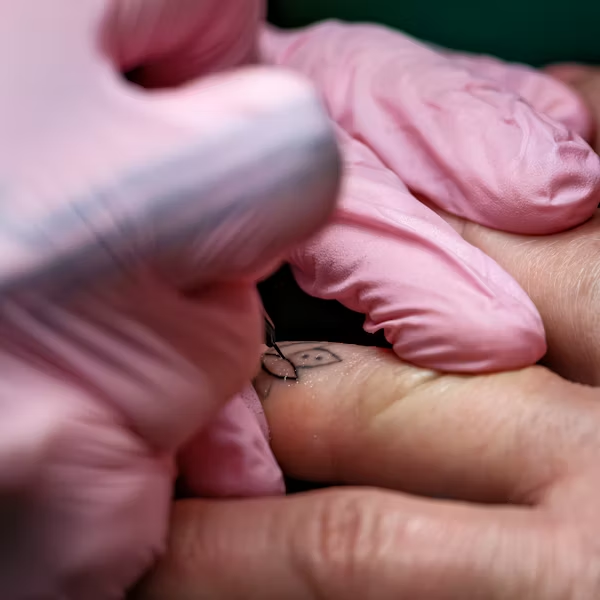
How to enjoy body art while protecting your skin barrier
Ask yourself:
If any answer is “no,” delay. Good timing is the simplest way to prevent weeks of “why won’t this settle down” frustration.
“I have atopic dermatitis. I patch test and follow fragrance-free aftercare; can we plan off-friction placement and a gentler cleaning routine?”
Cleanser and moisturizer if you want to control what touches your skin.
Sweat + occlusion = irritation. Choose placement that minimizes friction and moisture.
1–2× daily with lukewarm water and a tiny amount of fragrance-free cleanser.
Pat until slightly damp, then apply thin occlusive initially. Transition to light, fragrance-free cream once oozing stops.
No picking. Shower, do not soak. Sun avoidance is non-negotiable.
Choose smooth fabrics; place soft layers between tattoo and friction points.
Saline soaks (isotonic, store-bought) 1–2× daily; avoid harsh antiseptics.
Turn-and-twist is outdated; it breaks healing tissue.
Keep hair products off the site. Shield lobes and cartilage when spraying or applying gels.
Upgrade jewelry only after full healing. Healing times vary: lobes ~6–8 weeks, cartilage and navel much longer.
Watch for metal allergy signs: persistent itch, rash, or oozing where jewelry touches the skin. Switch to implant-grade titanium and consult your clinician if it persists.
Pitfall: “I got tattooed over a healing patch to cover it.”
Fix: Wait until skin is calm. Tattooing over active eczema increases trauma, pigment irregularity, and infection risk.
Pitfall: Using fragranced foams, alcohol gels, or scrubs on fresh work.
Fix: Stick to fragrance-free syndet cleansers and a tiny amount of bland occlusive for the oozy phase.
Pitfall: “Black henna” temporary tattoos.
Fix: Avoid. These often contain paraphenylenediamine (PPD), a potent sensitizer that can trigger long-term hair-dye allergy and severe dermatitis.
Higher UV and friction exposure; plan for strict sun protection and gentle cleansers.
Frequent sanitizer use makes aftercare harder; book when work is lighter and moisturize after every wash.
Shoes and socks trap sweat; schedule when you can wear sandals or loose sneakers.
Discuss risk with a dermatologist before tattooing or cartilage piercing.
If you have immunosuppression, diabetes, or are pregnant: talk with your care team before any procedure.
Persistent, intense itch and swelling that does not settle with gentle care
Keep the area clean, cover loosely with soft fabric, and bring the product/ink list or jewelry details to your appointment.
You can absolutely enjoy tattoos and piercings with atopic skin, just plan like a pro. Wait for a calm stretch, patch test inks and metals, choose low-friction placement, and follow fragrance-free, barrier-first aftercare. Watch for infection or allergy red flags and seek care early if something feels off. With a thoughtful plan, tattoos with eczema can heal smoothly and stay beautiful for years.
Can I tattoo over scars or stretch marks?
Sometimes, but scar tissue behaves differently. Wait until scars are fully mature (often a year), and discuss with an experienced artist.
Will a flare ruin a healed tattoo?
A big flare can cause temporary texture and color changes. Once skin calms, most tattoos look normal again. Avoid scratching.
Are colored inks off-limits?
Not necessarily. Many people tolerate them well. Test small amounts first and build designs in stages.
What sunscreen should I use on healed tattoos?
A zinc-based SPF 30+ that you have patch-tested. Apply gently with a press, not a rub.
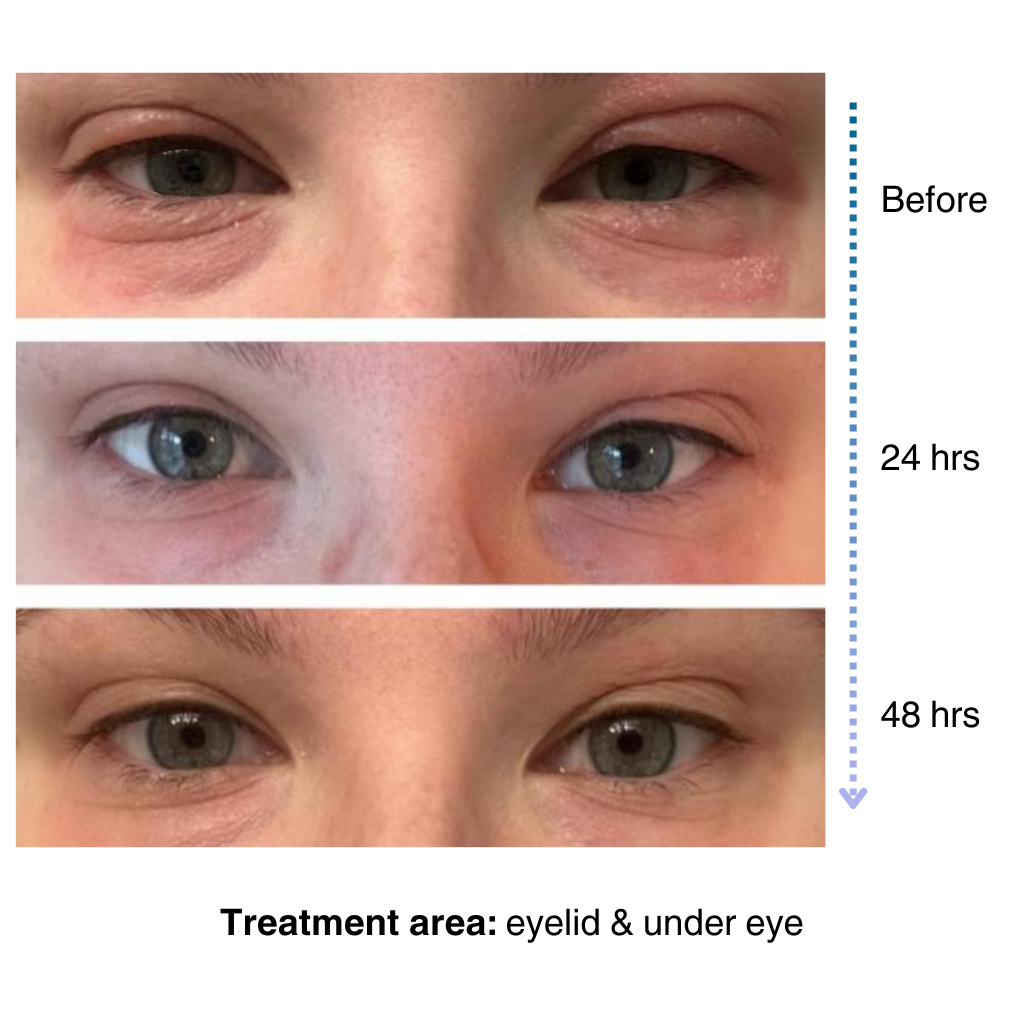
It’s easy to apply and isn’t chalky at all. I’ve been applying it multiple times a day… I’ve tried multiple new products to try and treat my eye eczema, and this is definitely the best I’ve tried so far.
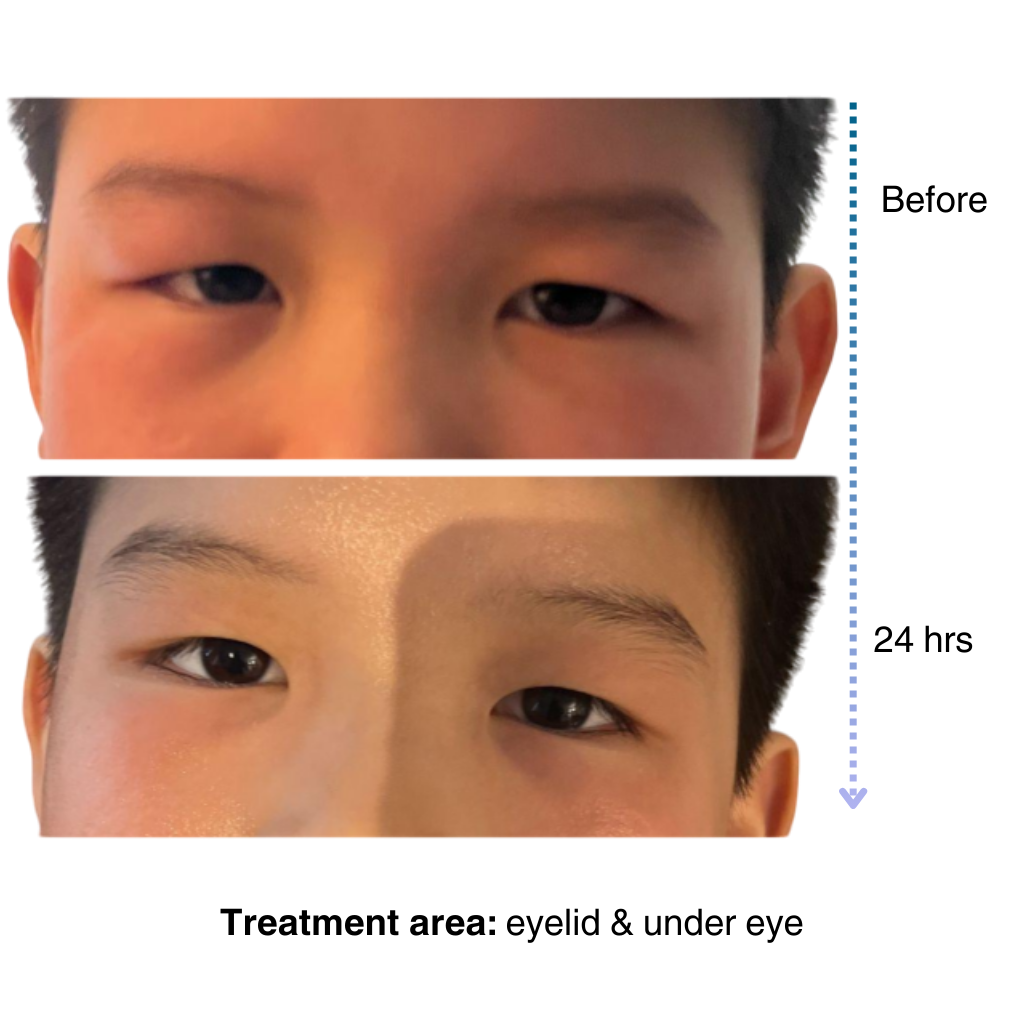
My 7-year old son has been dealing with eczema on his face for a long time, and it’s been so tough to find something that really works…..I’m amazed by the results! Within one day, the redness and rough patches on his face significantly improved…. he doesn’t mind using it at all because it doesn’t sting or feel greasy. – Lily

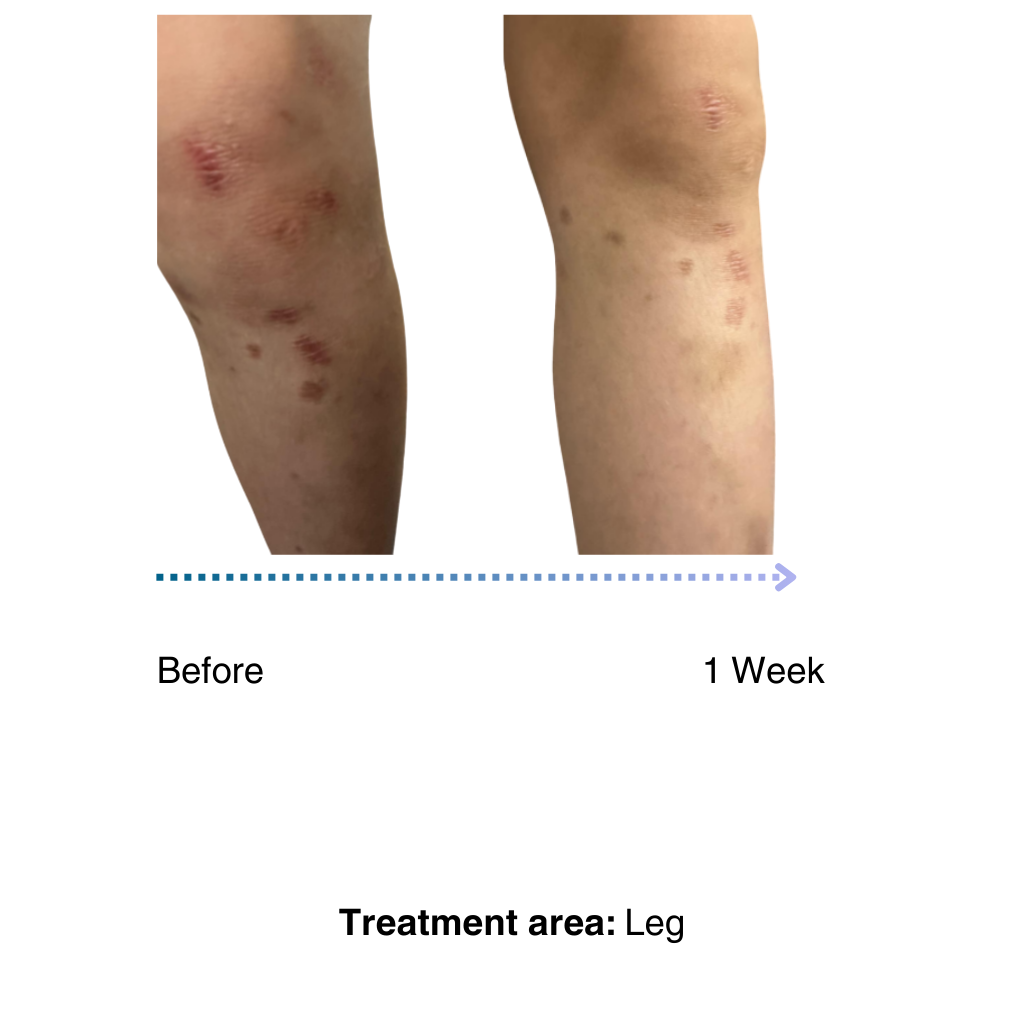
Like many of you, our eczema journey is personal. That’s why we’re committed to creating a space for the eczema community to share experiences, be empowered through evidence-based solutions, and learn practical tips for daily life.
– Sajjad, Founder & CEO of NellaDerm

We noticed you're visiting from United States (US). We've updated our prices to United States (US) dollar for your shopping convenience. Use Canadian dollar instead. Dismiss