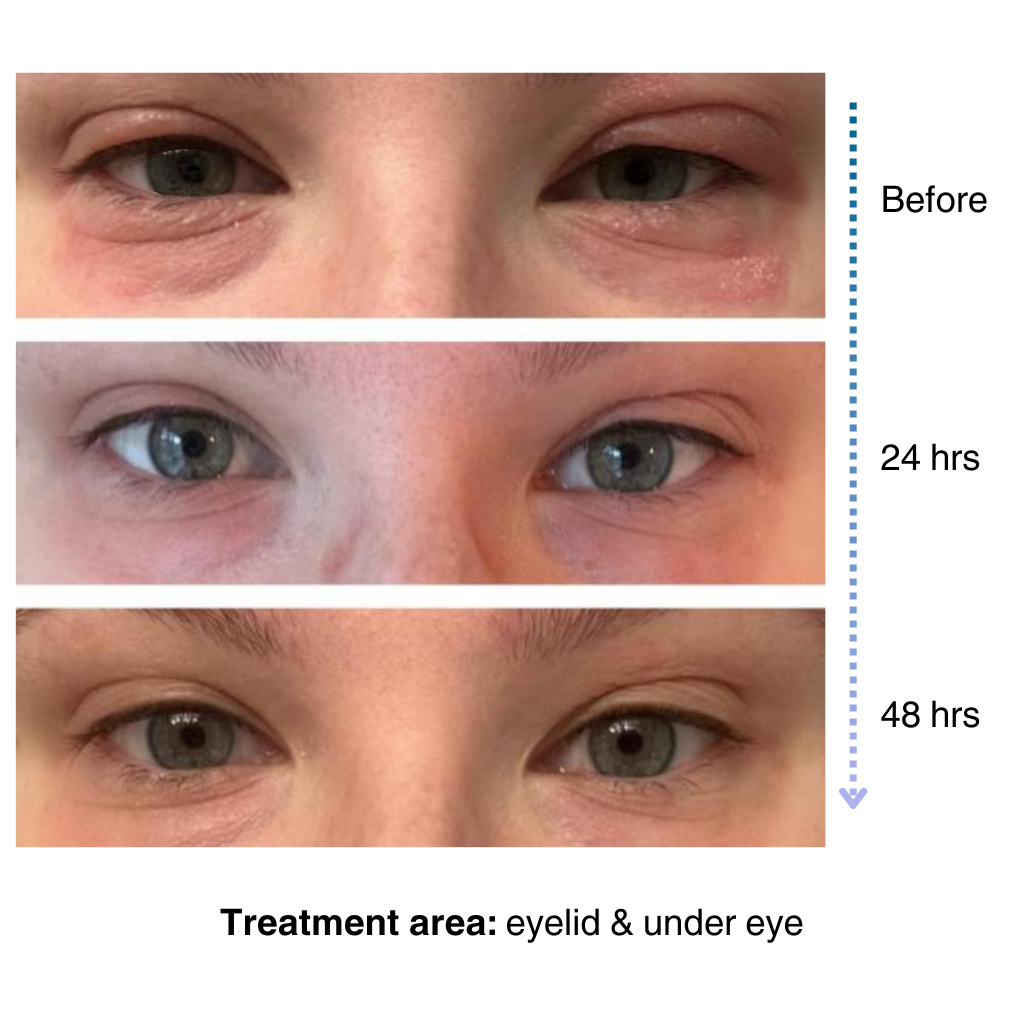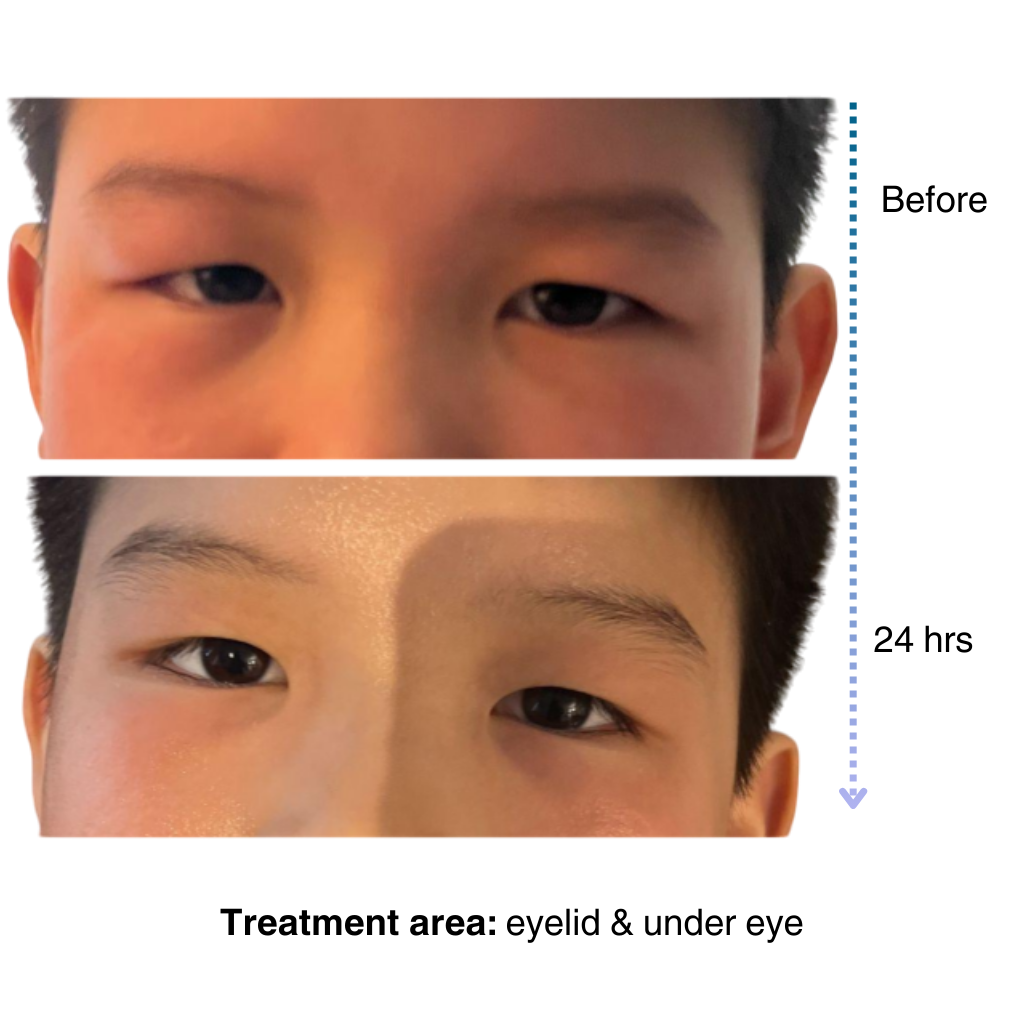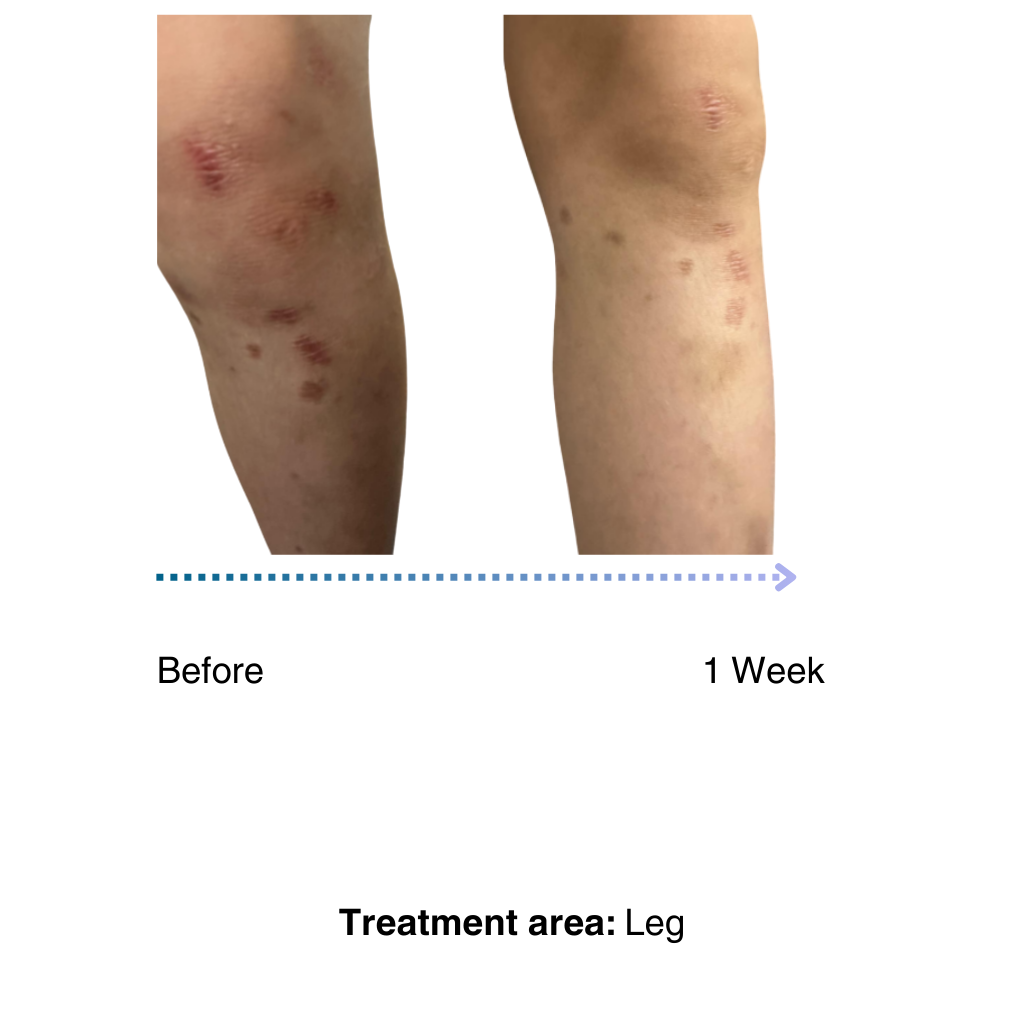
Eczema concerns?
FREE
Get instant expert guidance with our smart AI platform.
Join NowThe teenage years are a relentless whirlwind of change, transformation, and intense development. Hormones surge, academic and social schedules become packed with relentless commitments and extracurriculars, and the immense pressure of social acceptance—especially that which is amplified by the unrelenting scrutiny of social media—looms large. For the millions of teens managing eczema, these dramatic physical, emotional, and social shifts can quickly act as a “perfect storm,” intensifying symptoms at the exact time when self image, peer perception, and a sense of belonging matter the absolute most.
It is a misconception that eczema is simply a childhood issue that is eventually outgrown. Many teens continue to experience active symptoms well into adolescence, and sometimes, a wave of hormonal change can even trigger new onset atopic dermatitis during these pivotal years. While the condition causes significant physical discomfort, its often devastating impact on mental health and self esteem should never be underestimated. Eczema can make a teen feel different, isolated, and ashamed.

The good news is that with the right knowledge, consistent support, and a highly personalized skincare routine, teens can be empowered to take ownership of their health and navigate eczema with resilience and unwavering confidence. Self advocacy and consistency are the two most powerful tools in a teenager’s arsenal against chronic skin flares.
Puberty is driven by a cascade of hormonal changes that directly affect skin health. Specifically, androgen levels dramatically increase, stimulating the sebaceous glands to ramp up the production of oil, or sebum. For many teens, this leads to acne, but for eczema prone teens, the result can be paradoxical: while the skin may be oilier in some zones, the vital outer layer of skin (stratum corneum) can become paradoxically drier, more inflamed, and significantly more vulnerable to external irritation and allergen penetration. This is often why eczema and acne can coexist.
The transition from childhood care to adult independence must be managed with a focus on simple, consistent steps.
Cleanse the skin gently twice a day (morning and evening) using a fragrance free, pH balanced cleanser. This removes excess oil, sweat, and environmental irritants without stripping the essential natural lipids.
The most critical step. Immediately after washing or showering, apply a ceramide rich moisturizer liberally to lock in hydration and actively repair the compromised skin barrier. Ceramides are the vital fats needed to rebuild the skin’s structural integrity.
If the teen is also struggling with acne (a common concern with increased sebum), look for moisturizers and sunscreens labeled “non comedogenic.” This ensures the product won’t clog pores, providing hydration without exacerbating breakouts.
Consistency is difficult during busy school days, long practices, or weekend trips. Utilize portable, non messy products like NellaDerm’s NovaNella Stick for easy, on the go relief and reapplication throughout the day.
Participation in sports and physical activity is a healthy, crucial outlet for teens, providing stress relief and social connection. However, it also introduces potent eczema triggers: sweat, friction, and occlusive gear like helmets, shin guards, or pads. Sweat contains salts and irritants that can cause stinging and itching on inflamed skin, leading to quick flare ups if not managed promptly.
The protocol immediately following exercise is non negotiable for minimizing flares:
Locker Room Hacks: If time or facilities do not allow for a full shower, pack eczema friendly cleansing wipes and a travel size moisturizer in the sports bag to cleanse the high sweat areas (neck, elbows, knees) immediately after practice and apply moisture.
The emotional and psychological toll of visible eczema is particularly steep during the teenage years. During a time when acceptance and physical appearance are deeply intertwined with self worth, red, flaky, or visibly itchy skin can lead to intense embarrassment, social withdrawal, and vulnerability to bullying. Teens may develop anxiety, depression, or even an obsession with their skin (known as body dysmorphia) due to the constant attention the condition demands.
The digital world is a double edged sword for teens with eczema. It offers both a sense of community and a deep well of dangerous misinformation, particularly from unqualified influencers.
A teenager’s identity is heavily tied to their personal style and fashion choices. Unfortunately, many popular fashion items—tight synthetic fabrics, clothing treated with harsh dyes, or trendy but abrasive textures—can quickly trigger skin irritation, sweating, and friction flares.
Managing a chronic skin condition while building confidence is challenging, but establishing self care habits now builds not only better skin, but emotional resilience for life. Teens need to feel a sense of control over their condition.
These seemingly simple habits empower the teen, fostering a crucial sense of control and self efficacy—two things teens with eczema often feel they have lost. The lessons learned during this journey—resilience, self advocacy, and rigorous self care—will serve them incredibly well long after the final high school bell rings.
Would you like specific examples of ceramide rich, non comedogenic moisturizers suitable for teenage skin?