The Best Eczema Cream on the Market: Finding Relief for Dry, Itchy Skin (Updated for 2025)
Eczema, also known as atopic dermatitis, is a chronic skin condition affecting millions globally. Characterized by dry, itchy, and inflamed skin, eczema can significantly impact quality of life. Finding the best eczema cream is crucial for managing these distressing symptoms and improving overall skin health. In this comprehensive guide, we will explore highly effective eczema cream options available in 2025, delve into essential key ingredients to look for, discuss the latest research in eczema treatment, and highlight how advanced delivery systems are enhancing the effectiveness of new generation eczema therapies. Whether you’re searching for the best moisturizer for eczema, a potent anti-inflammatory cream, or a solution for specific needs like baby eczema or facial eczema, this guide will provide valuable insights.
Understanding Eczema: More Than Just a Rash
Eczema is not merely a superficial skin issue; it represents a complex interplay of genetic predispositions, environmental triggers, and immunological responses. In individuals with eczema, the skin barrier is often compromised. This critical barrier normally prevents moisture loss and protects against external irritants and allergens. When impaired, it leads to increased transepidermal water loss (TEWL) and heightened susceptibility to substances that can exacerbate symptoms. The hallmark signs of eczema include persistent redness, intense itching (pruritus), and visible inflammation. Understanding this underlying mechanism is the first step in finding the most effective eczema cream for your specific condition.
Key Ingredients to Look for in the Best Eczema Creams
When choosing the top eczema cream, focusing on formulations with evidence-based ingredients is essential. Here are key categories and specific examples:
- Skin Barrier Repair & Moisture Retention: The Foundation of Eczema Care
- Ceramides: These are essential lipids (fats) that are naturally present in the skin’s outer layer. They act as the “glue” holding skin cells together, helping to restore the compromised skin barrier in eczema and effectively retain moisture. Look for creams that specifically list ceramide types (e.g., ceramide NP, ceramide AP, ceramide EOP).
- Natural Oils (e.g., Jojoba Oil, Shea Butter, Sunflower Seed Oil): These oils provide deep hydration and emollience, helping to soften and smooth dry, cracked eczema-prone skin. They also contribute to skin barrier repair by providing essential fatty acids.
- Humectants (e.g., Hyaluronic Acid, Glycerin): Humectants attract and bind water to the skin, drawing moisture from the environment and the deeper layers of the skin to hydrate the surface. Hyaluronic acid is particularly effective at holding many times its weight in water.
- Occlusives (e.g., Petrolatum, Mineral Oil, Dimethicone): These ingredients form a protective layer on the skin’s surface, physically blocking water loss and helping to maintain hydration. While sometimes debated, they can be very effective, especially for very dry eczema.
- Soothing & Anti-Inflammatory Agents: Calming the Itch and Redness
- Natural Options:
- Colloidal Oatmeal: A time-tested ingredient clinically proven to soothe itching and irritation associated with eczema. It also forms a protective, moisture-retaining barrier on the skin. Often found in creams specifically marketed for itch relief for eczema.
- Chamomile Extract (Bisabolol): Contains compounds that help calm inflammation, reduce redness, and soothe sensitive skin.
- Calendula: Known for its anti-inflammatory and wound-healing properties, potentially aiding in the repair of damaged eczema skin.
- Licorice Root Extract (Glycyrrhizin): Some studies suggest it has anti-inflammatory and anti-itch properties.
- Medical Treatment (Over-the-Counter):
- Hydrocortisone (Low-Dose): A mild corticosteroid available without a prescription, used to reduce inflammation and relieve itching during eczema flare-ups. It’s important to use it as directed and consider consulting a doctor for prolonged or frequent use.
- Natural Options:
- Antioxidants & Skin Protection: Supporting Healing
- Vitamins E and C: Powerful antioxidants that help protect the skin from oxidative stress caused by environmental factors and support the skin’s natural healing processes. Vitamin E can also contribute to moisturizing.
- Antibacterial Ingredients (in some creams): Preventing Secondary Infections
- Certain eczema creams, particularly those designed for more severe or weeping eczema, may include natural (e.g., certain plant extracts) or medical-grade antibacterial agents to help prevent secondary bacterial infections, which are common in compromised eczema skin.
Top-Rated Eczema Creams: Our Recommendations for 2025
Based on their formulation, effectiveness, and user feedback, here are some recommended eczema creams available in 2025, catering to different needs:
- CeraVe Moisturizing Cream: Best for Barrier Repair and Daily Hydration
- Key Features: Powerful skin barrier repair formula with essential ceramides (NP, AP, EOP) and hyaluronic acid. Also contains vitamin E for antioxidant protection. Its gentle, fragrance-free formula is ideal for daily use and maintaining skin health in individuals with eczema.
- Why it’s a top choice: Excellent for rebuilding the skin’s natural barrier and providing long-lasting moisture, crucial for preventing eczema flare-ups. Suitable for the whole body.
- Considerations: Does not contain specific anti-inflammatory or antibacterial ingredients. Best for maintenance and mild eczema.
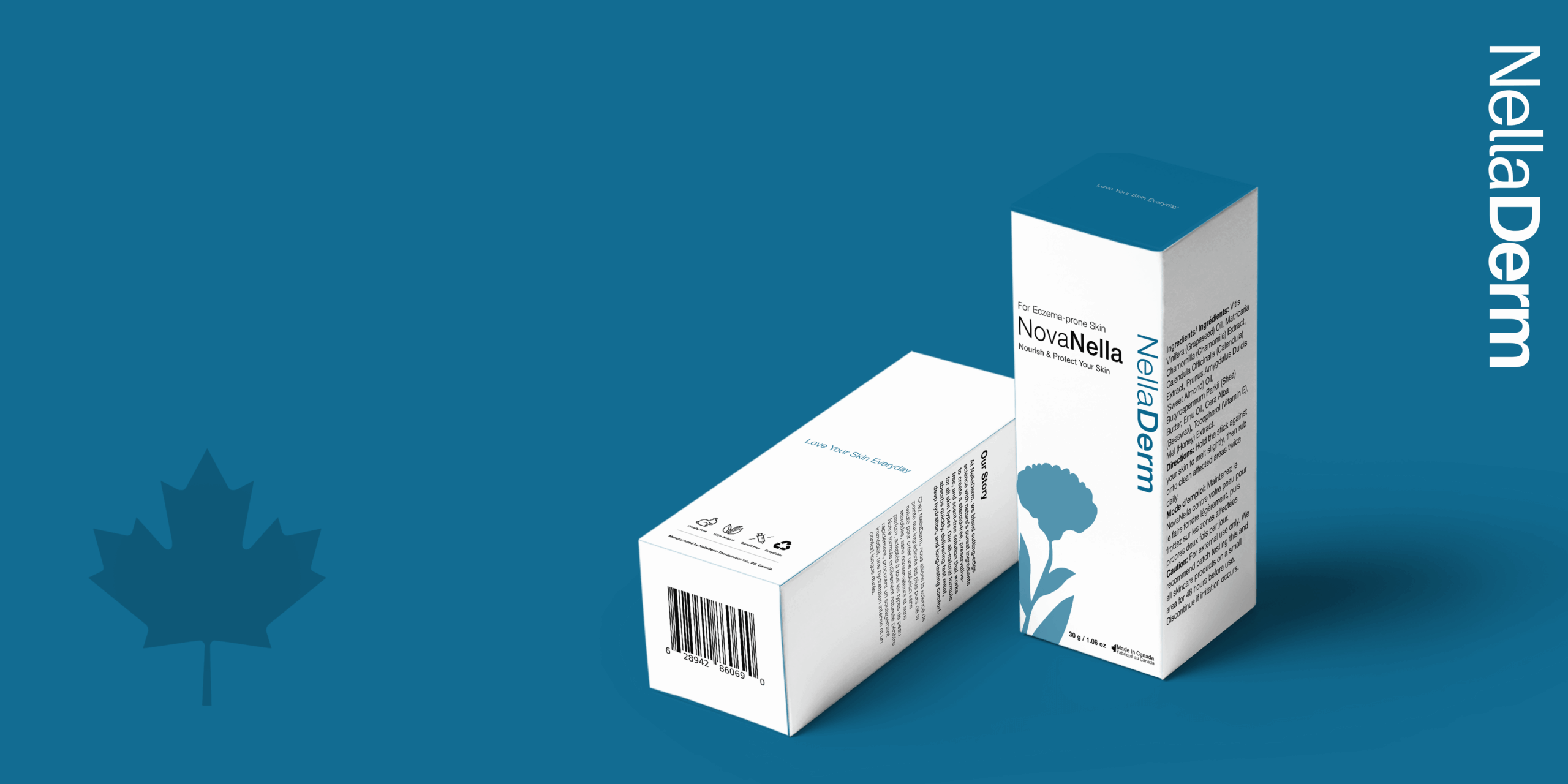
- NellaCalm Eczema Cream: Comprehensive Relief with Natural Anti-Inflammatories and Antibacterial Action
- Key Features: A comprehensive approach combining barrier repair and moisturizing agents with potent natural anti-inflammatory botanicals like chamomile and calendula. Includes antioxidants to protect and support skin recovery. Notably features an antibacterial component to help prevent secondary infections.
- Why it’s a top choice: Offers a multi-pronged approach by addressing dryness, inflammation, and the risk of infection, making it a versatile option for managing various eczema symptoms.
- Considerations: Contains botanical extracts, so individuals with sensitivities to specific plants should patch test.
- Aveeno Eczema Therapy Moisturizing Cream: Gentle Itch Relief with Colloidal Oatmeal
- Key Features: Leverages the well-known benefits of colloidal oatmeal, a natural ingredient clinically proven to soothe itching and irritation. Contains moisturizing agents like glycerin and petrolatum to form a protective barrier and lock in moisture. Also includes vitamin E for antioxidant protection.
- Why it’s a top choice: Effective for providing relief from the intense itching associated with eczema flare-ups while also moisturizing the skin.
- Considerations: Primarily focuses on anti-inflammatory action through colloidal oatmeal and moisture retention; does not contain specific antibacterial ingredients.
Product | Barrier Repair & Moisture | Anti-Inflammatory | ✨ Antioxidants & Protection | Antibacterial |
CeraVe Moisturizing Cream | ✔️ | ❌ | ✔️ | ❌ |
NellaCalm Eczema Cream | ✔️ | ✔️ | ✔️ | ✔️ |
Aveeno Eczema Therapy | ✔️ | ✔️ | ✔️ | ❌ |
Tips for Choosing the Best Eczema Cream for Your Needs
- Consult a Dermatologist: For persistent or severe eczema, it’s crucial to consult a dermatologist. They can provide a personalized treatment plan, including recommendations for the best prescription eczema cream or other therapies tailored to your specific skin type and condition.
- Patch Test New Products: Always test a new cream on a small, inconspicuous area of skin for 24-48 hours before applying it more widely to check for any adverse reactions or sensitivities.
- Look for Fragrance-Free and Dye-Free Options: Fragrances and dyes are common irritants for sensitive eczema-prone skin. Opt for products explicitly labeled “fragrance-free” and “dye-free.”
- Consider Your Skin Type and Eczema Severity: If you have oily skin, a lighter lotion or emollient might be preferable. Dry skin often benefits from thicker creams or even ointments for better moisture retention. The severity of your eczema will also influence whether you need over-the-counter options or prescription treatments.
- Think About Specific Needs: Are you looking for a good eczema cream for babies? Or perhaps a gentle formula for facial eczema? Some brands offer formulations specifically designed for these needs.
Lifestyle Changes to Support Eczema Management (Beyond the Best Cream)
While finding the best eczema cream is vital, incorporating supportive lifestyle changes can significantly improve eczema management:
- Moisturize Regularly and Immediately After Bathing: Apply your chosen eczema cream or moisturizer within a few minutes of showering or bathing to lock in moisture while the skin is still damp.
- Identify and Avoid Triggers: Pay attention to substances, environments, or activities that seem to worsen your eczema. Common triggers include certain fabrics (wool, synthetic), harsh soaps and detergents, extreme temperatures, stress, and certain foods.
- Stay Hydrated: Drinking plenty of water helps maintain overall skin hydration from the inside out.
- Use Gentle Cleansers: Opt for mild, fragrance-free, and soap-free cleansers that won’t strip your skin of its natural oils.
- Avoid Scratching: While incredibly difficult, try to avoid scratching itchy areas, as this can worsen inflammation and increase the risk of infection. Consider cool compresses or anti-itch remedies.
Next-Generation Eczema Treatments: Innovation in Topical Delivery
The field of eczema treatment is constantly evolving. Recent research has focused on developing novel drug delivery systems to enhance the effectiveness of topical treatments:
- Hydrogel-Based Systems: Studies highlight the potential of hydrogels, which can carry high concentrations of active ingredients and release them in a controlled manner, improving penetration through the compromised skin barrier in eczema.
- Microneedle Systems: Research on microneedle patches shows promise in bypassing the skin barrier more effectively, allowing for localized and potentially systemic effects without the discomfort of traditional injections.
- Nanotechnology in Drug Delivery: The incorporation of nanotechnology, such as nanostructured lipid carriers (NLCs), has demonstrated improved therapeutic outcomes for skin disorders by enhancing drug bioavailability and patient adherence. These advancements are paving the way for more targeted and effective new generation eczema treatments.
Finding Your Best Path to Eczema Relief in 2025
Living with eczema can be challenging, but finding the best eczema cream and adopting supportive skincare habits can significantly improve your comfort and quality of life. By understanding key ingredients, considering your specific needs, and staying informed about the latest advancements in eczema treatment, you can make informed choices. Remember to consult with a dermatologist for personalized advice and explore the options highlighted in this guide to find the top eczema cream that brings you the relief you deserve in 2025.
Frequently Asked Questions About Eczema Creams
This section addresses some common questions people have when searching for the best eczema cream and managing their eczema.
Q: What is the difference between eczema cream, lotion, and ointment? A: The main difference lies in their oil-to-water ratio. Ointments have the highest oil content (typically 80% oil, 20% water or less), making them very effective at locking in moisture but can feel greasy. Creams have a more balanced oil-to-water ratio (around 50/50) and are generally well-absorbed. Lotions have the highest water content and are lighter, making them suitable for less severe dryness or oily skin types. For eczema, thicker creams and ointments are often preferred for their superior moisturizing capabilities.
Q: How often should I apply eczema cream? A: It’s generally recommended to apply eczema cream or moisturizer at least twice a day, especially after bathing or showering when the skin is still slightly damp. Reapply as needed throughout the day, particularly if your skin feels dry or itchy. Consistency is key to managing eczema symptoms.
Q: Can I use regular moisturizer for eczema? A: While regular moisturizers can help with dryness, eczema-specific creams often contain ingredients that target the underlying issues of eczema, such as barrier repair (ceramides) and anti-inflammatory properties (colloidal oatmeal). Using a cream specifically formulated for eczema is generally more beneficial.
Q: Are prescription eczema creams better than over-the-counter options? A: Prescription eczema creams, such as topical corticosteroids with higher potency or topical calcineurin inhibitors, are often necessary for managing moderate to severe eczema flare-ups. Over-the-counter creams can be effective for mild eczema and maintenance between flare-ups. A dermatologist can assess your condition and recommend the most appropriate treatment.
Q: Can eczema creams cure eczema? A: Unfortunately, there is currently no cure for eczema. However, the best eczema creams and other treatments can effectively manage symptoms like dryness, itching, and inflammation, helping to improve skin health and quality of life.
Q: Are natural eczema creams as effective as medical ones? A: Some natural ingredients, like colloidal oatmeal and certain plant extracts (chamomile, calendula), have shown soothing and anti-inflammatory properties that can be beneficial for mild eczema. However, for moderate to severe eczema, medical treatments like topical corticosteroids or other prescription medications are often more effective in controlling inflammation and flare-ups.
Q: How do I know if an eczema cream is working for me? A: An effective eczema cream should help to reduce dryness, itching, redness, and the frequency and severity of flare-ups. You should notice an improvement in your skin’s overall hydration and comfort over time. If your symptoms worsen or don’t improve, consult your dermatologist.
Q: Should I avoid certain ingredients in eczema creams? A: Yes, it’s best to avoid products containing fragrances, dyes, parabens, and other potential irritants, as these can worsen eczema symptoms. Opt for creams labeled “fragrance-free,” “dye-free,” and formulated for sensitive skin.
Q: Can I use different eczema creams on different parts of my body? A: Yes, depending on the severity and location of your eczema, your dermatologist might recommend different creams. For example, a milder cream might be suitable for the face, while a more potent one could be used on thicker skin like the hands or elbows.
Q: Where can I buy the best eczema creams? A: The eczema creams mentioned in this guide are generally available at most major pharmacies, drugstores, and online retailers. Prescription eczema creams will require a prescription from your doctor.
References:
[1] Foam-Based Drug Delivery Systems for Skin Disorders: A Comprehensive Review. AAPS PharmSciTech. 2025-04-04.[2] HYDROGEL-BASED DELIVERY SYSTEMS FOR TOPICAL ANTIFUNGAL THERAPY: A REVIEW. Cellulose Chemistry and Technology. 2024-07-22.[5] Analytical tools and evaluation strategies for nanostructured lipid carrier-based topical delivery systems. Expert Opinion on Drug Delivery. 2020-05-22.[7] Microneedle-Based Natural Polysaccharide for Drug Delivery Systems (DDS): Progress and Challenges. Pharmaceuticals. 2022-02-01.