
Eczema concerns?
FREE
Get instant expert guidance with our smart AI platform.
Join NowTrips should feel exciting, not stressful, yet dry airplane air, hotel detergents, new climates, and long days can nudge sensitive skin into a flare. A compact, well-planned kit keeps you in control. This guide shows you exactly what to pack and how to use it so traveling with eczema feels calm from takeoff to touchdown. You will get a core packing list, climate add-ons, airplane and hotel strategies, a rapid-flare playbook, and a simple day-of-travel routine you can copy.
Tip: build two kits. A pocket-size “seat-side” pouch for the plane, train, or car door, and a larger zip bag that lives in your carry-on.

For detailed care you can follow in the plane and during travel, check out NellaDerm’s blog post: Eczema and Planes: Prevent Flare Ups While Flying.
Pack these in a clear, zippered pouch. Choose travel sizes ≤100 mL for air travel.
Liquids and gels: keep each container at or under 3.4 oz / 100 mL for carry on. Medications can exceed that limit in most jurisdictions when properly labeled; check your airline and security agency’s rules and carry a simple doctor’s note if you use prescription topicals.
Seat prep: wipe hard surfaces with a gentle, fragrance free wipe; let them dry. Apply moisturizer to hands and face before boarding. Reapply a thin layer every two to three hours during longer flights to stay ahead of cabin dryness.
What to keep at your seat
Hydration rhythm: sip water regularly, limit alcohol, and choose decaf when you can. Gentle stretching every hour keeps circulation moving and reduces itch from heat buildup.
Travel inherently involves multiple stressors that can trigger eczema flares. The combination of disrupted routines, unfamiliar environments, changes in climate, and the physical stress of transportation creates a perfect storm for skin irritation. Understanding these triggers is the first step toward managing them effectively.
The psychological stress of travel can significantly impact your skin. Cortisol levels rise during stressful situations like navigating airports, dealing with delays, or adapting to new time zones. Elevated cortisol can weaken the skin barrier and increase inflammation, making your skin more susceptible to flare ups. Planning ahead and building relaxation time into your itinerary can help mitigate these effects.
Sleep disruption is another major factor. Changes in time zones, unfamiliar beds, and different lighting conditions can all interfere with quality sleep. Since skin repair and regeneration primarily occur during deep sleep, poor rest can directly impact your skin’s ability to maintain its barrier function. Prioritizing good sleep hygiene while traveling is not a luxury but a necessity for eczema management.
Dietary changes while traveling can also affect your skin. Different water sources, unfamiliar foods, and changes in meal timing can all influence your eczema. Staying hydrated and maintaining some consistency in your eating patterns can help minimize these disruptions. Consider packing familiar snacks and drinking plenty of bottled water, especially when traveling to areas with different water mineral content.
For trips longer than one week, consider a more comprehensive approach to your eczema care kit. Start by calculating how much product you’ll actually need rather than guessing. Measure your typical usage for one week at home, then multiply accordingly. This prevents both running out prematurely and carrying unnecessary weight.
Invest in high quality travel containers that are truly leak proof. Look for silicone sealed jars and bottles specifically designed for cosmetics. Test them at home first by turning them upside down for several hours to ensure they don’t leak. For products that come in tubs, consider transferring them to squeeze tubes for better hygiene and easier application.
Create a digital backup of your essential product information. Take photos of ingredient lists, barcodes, and product packaging. Store these in a dedicated album on your phone or in cloud storage. This makes it much easier to find replacements if products are lost, damaged, or run out unexpectedly.
Consider the logistics of medication storage, especially for temperature sensitive products. Research average temperatures at your destination and plan accordingly. Insulated medication bags with ice packs can maintain cool temperatures for several hours during transit. Always carry medications in your carry on luggage, never in checked bags.
When skin flares on the road, move through this simple sequence. It takes five minutes and works anywhere with a sink.
Repeat in the evening if the skin still feels hot or itchy. Most flares calm noticeably when you reduce heat, add water, and seal it promptly.
For deeper night strategies, pair this with the bedtime tactics in NellaDerm’s sleep guide: Sleepless Nights: How To Stop Eczema Itching At Night.
Despite careful planning, emergencies can happen. Research healthcare options at your destination before you travel. Identify hospitals, clinics, or dermatologists who speak your language or have translation services. Save their contact information and locations in your phone.
Carry a brief medical history including your eczema diagnosis, current treatments, known allergies, and your doctor’s contact information. This information can be crucial if you need medical attention while away from home. Consider using a medical alert app or storing this information in your phone’s emergency features.
Understand your travel insurance coverage for skin related emergencies. Some policies may have specific requirements for pre existing conditions like eczema. Keep your insurance card and emergency contact numbers easily accessible throughout your trip.
Pack a small emergency kit with items beyond your regular eczema supplies. Include antihistamines for unexpected allergic reactions, antibiotic ointment for broken skin, and extra supplies of your most critical medications. This preparation can make the difference between a minor inconvenience and a trip ending emergency.
Carry On Pouch (at your seat)
Core Kit (carry on bag)
Climate Modules
Morning
In Transit
On Arrival
Returning home after travel requires a deliberate approach to help your skin recover. The first 48 hours back are crucial for resetting your skin’s balance. Begin with a thorough but gentle cleansing routine to remove any accumulated irritants from travel.
Reintroduce your regular home products gradually rather than all at once. Your skin may have become sensitized to different environmental factors during travel. Start with your most basic, trusted products and monitor how your skin responds before adding back your full routine.
Pay extra attention to hydration and barrier repair in the days following your return. Consider using slightly richer moisturizers or adding an extra layer of occlusion at night. This helps compensate for the stress your skin endured during travel and accelerates the recovery process.
Evaluate what worked well during your trip and what could be improved. Make notes while the experience is fresh in your mind. This reflection will help you refine your travel approach for future trips, making each journey progressively easier on your skin.
A thoughtful kit makes traveling with eczema predictable and low stress. Keep your barrier happy with the rinse and seal habit, pack fragrance free essentials in carry on size, and tailor small add ons to your destination. Use the rapid flare plan when skin feels hot or tight, protect your sleep, and enjoy the trip knowing your routine is ready to go.
Do I have to check my creams?
No. Keep your key products in your carry-on in 100 mL containers so you are never separated from them. Medications can often exceed that limit with proper labeling.
What if hotel soaps sting?
Use your own cleanser. If you forget, rinse with lukewarm water only and moisturize immediately. Avoid heavily fragranced hotel lotions on active areas.
Should I skip swimming?
Not necessarily. Pre-rinse, keep sessions short, and moisturize right after a quick shower. If you notice stinging, switch to beach walks, shade time, or poolside breaks that keep you cool without submerging irritated skin.
How do I prevent night scratching in a strange bed?
Keep the room cool, moisturize before lights out, wear soft pajamas, and consider cotton gloves. A short breathing exercise lowers the urge to scratch
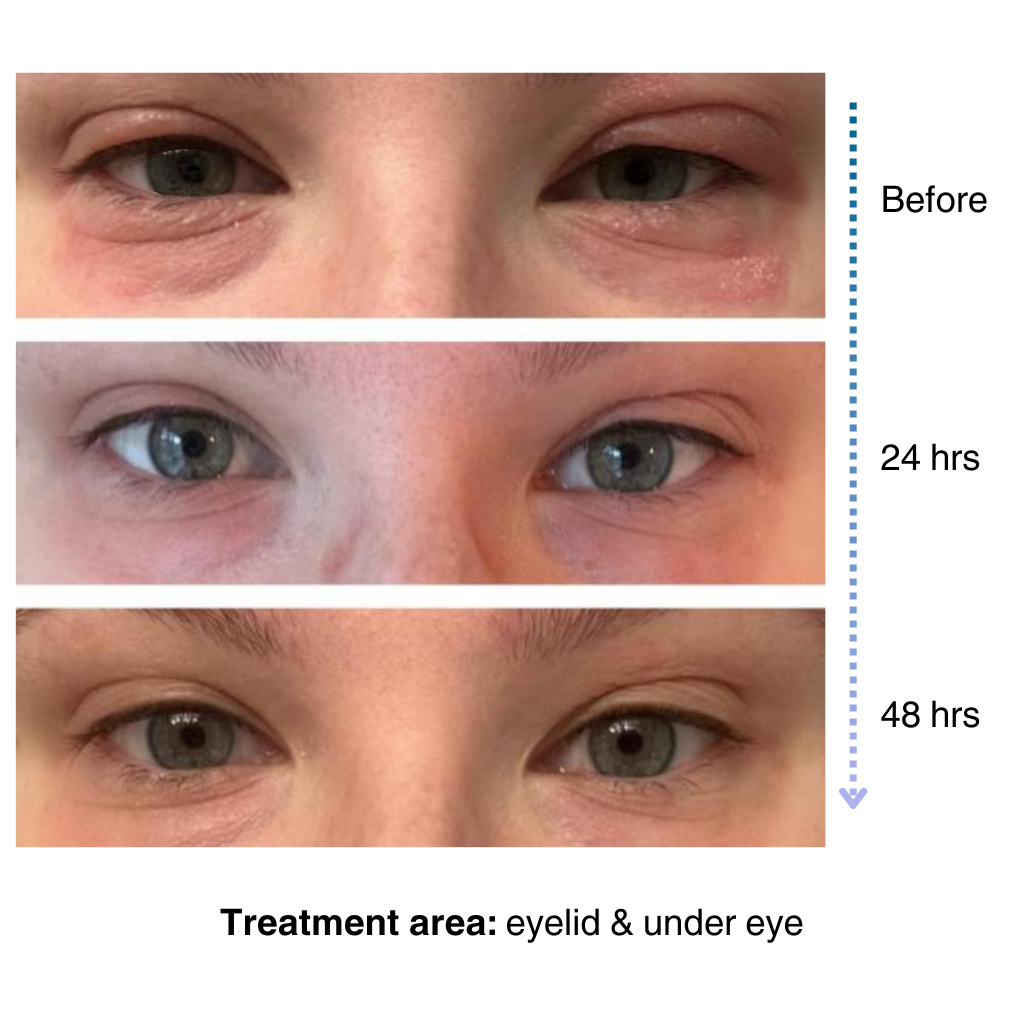
It’s easy to apply and isn’t chalky at all. I’ve been applying it multiple times a day… I’ve tried multiple new products to try and treat my eye eczema, and this is definitely the best I’ve tried so far.
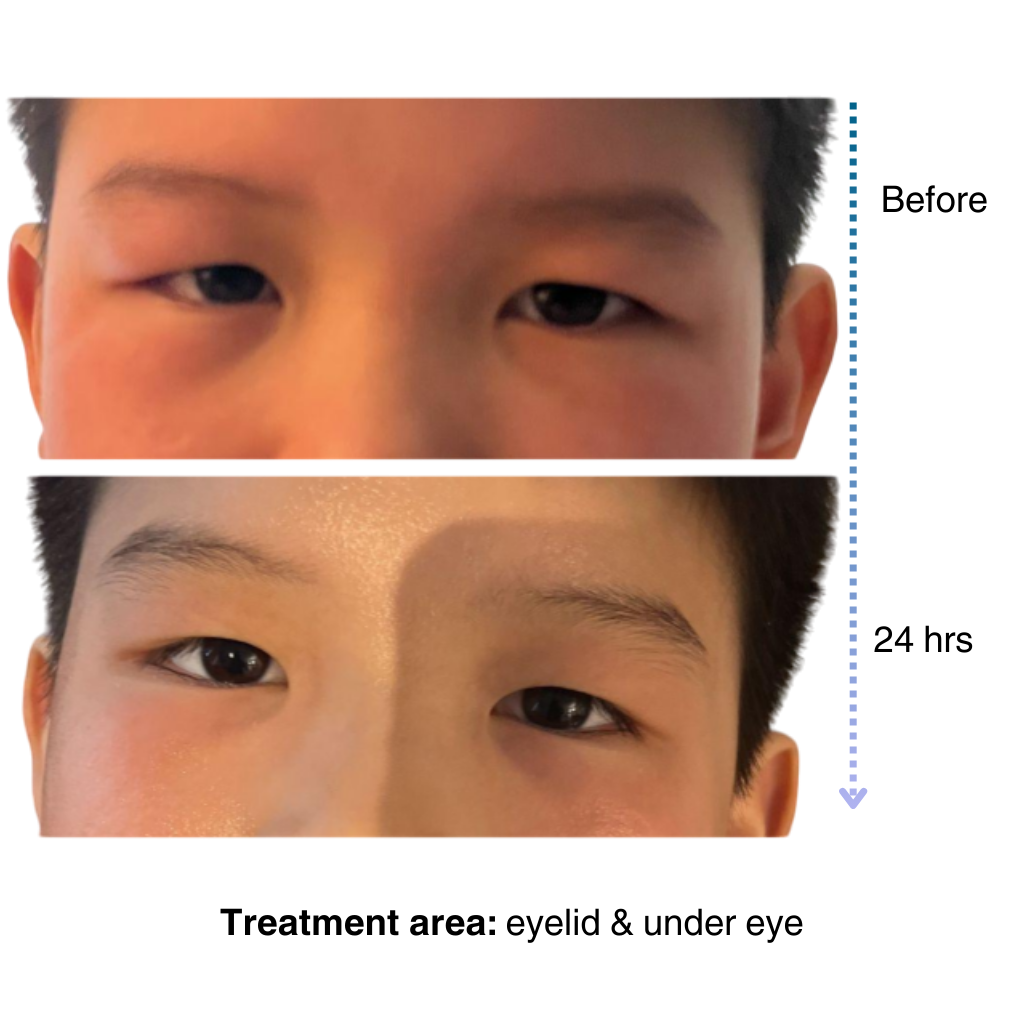
My 7-year old son has been dealing with eczema on his face for a long time, and it’s been so tough to find something that really works…..I’m amazed by the results! Within one day, the redness and rough patches on his face significantly improved…. he doesn’t mind using it at all because it doesn’t sting or feel greasy. – Lily

Like many of you, our eczema journey is personal. That’s why we’re committed to creating a space for the eczema community to share experiences, be empowered through evidence-based solutions, and learn practical tips for daily life.
– Sajjad, Founder & CEO of NellaDerm
