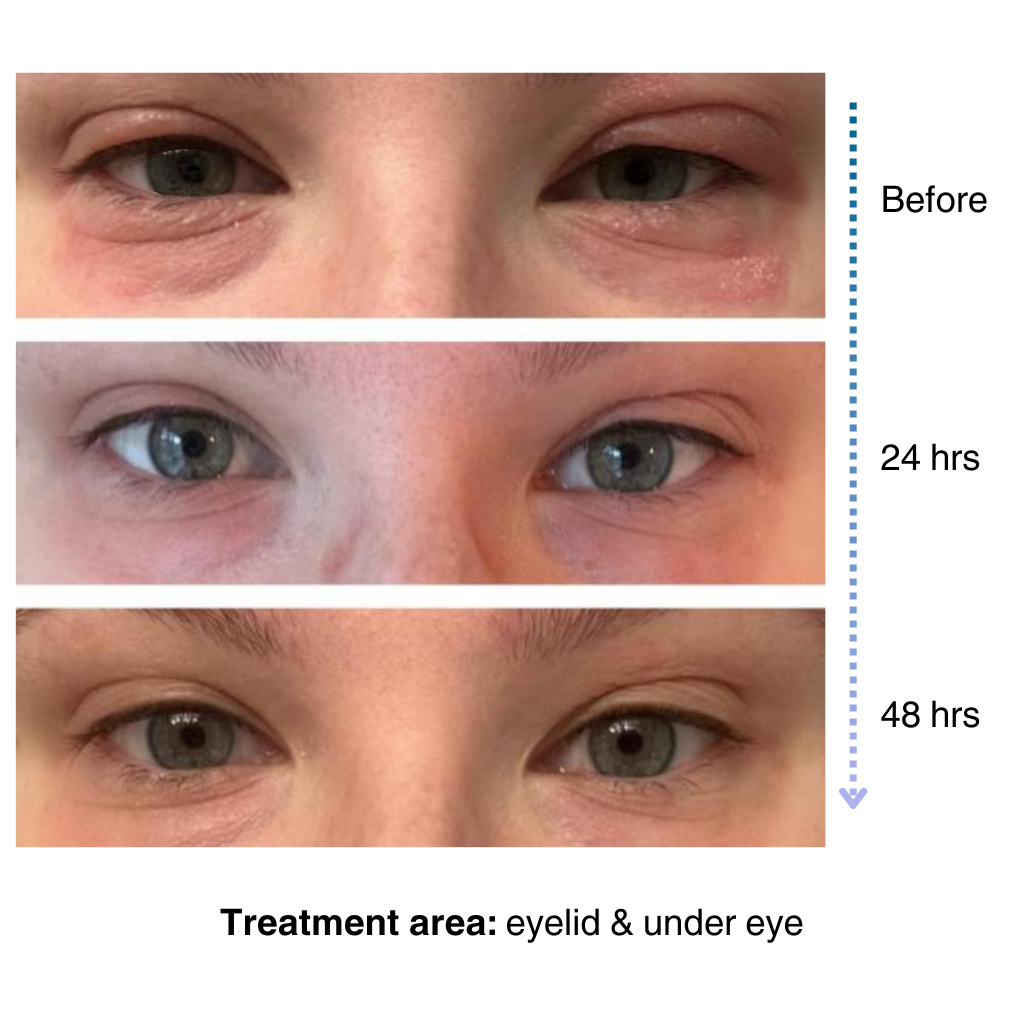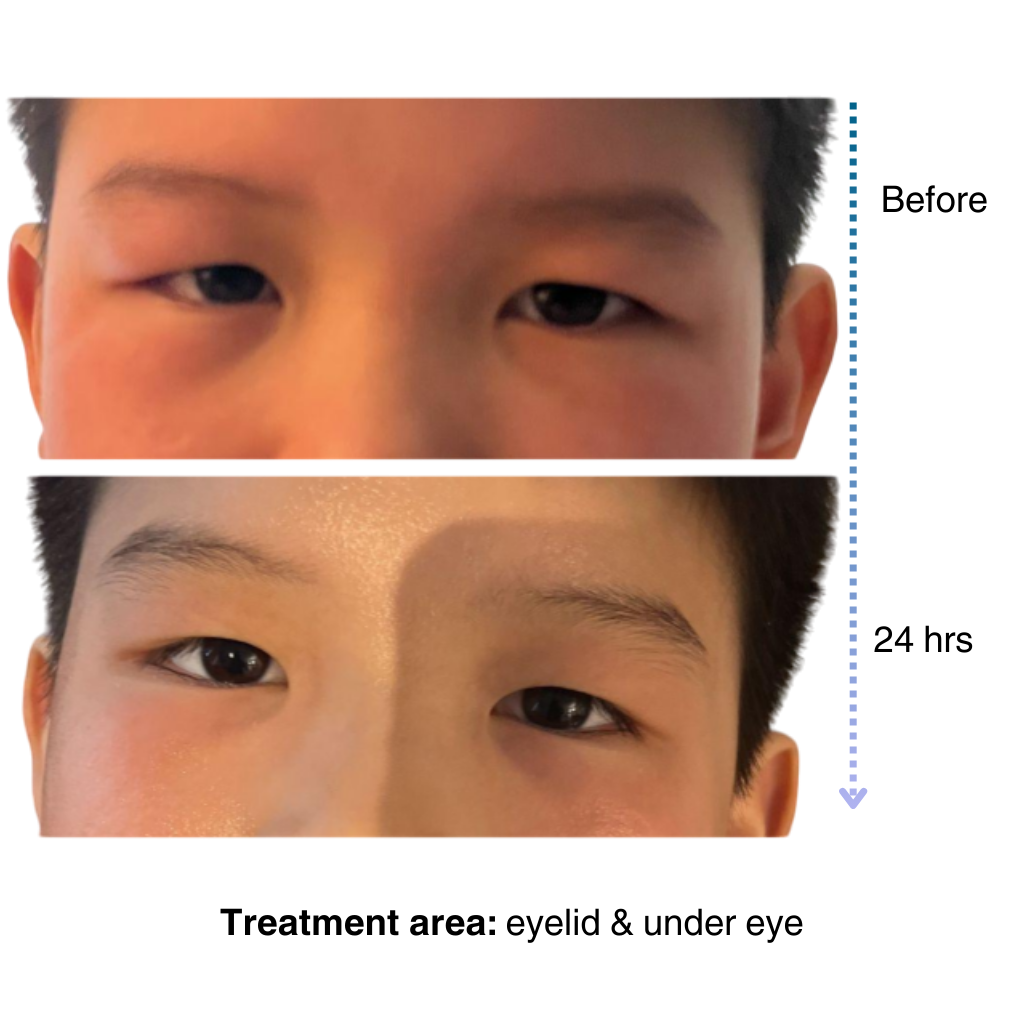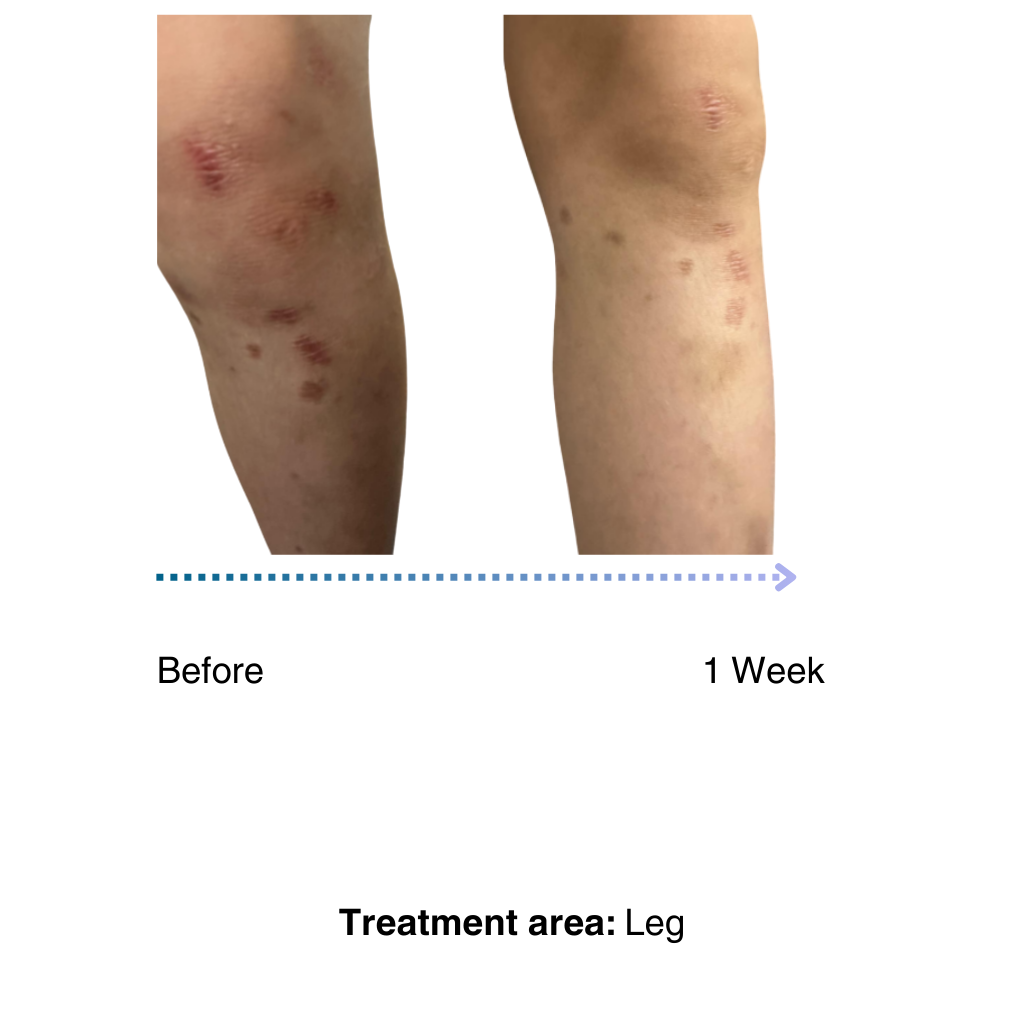
Eczema concerns?
FREE
Get instant expert guidance with our smart AI platform.
Join NowLiving in Florida means sun, surf, and plenty of vitamin D but for those with eczema, the Sunshine State is not always skin friendly. From year round humidity to hard tap water, Florida presents a unique set of challenges for people managing atopic dermatitis.
If you are struggling with eczema in Florida, especially in areas like Miami, Tampa, or Orlando where water hardness is high, your local environment might be doing more damage than you realize.
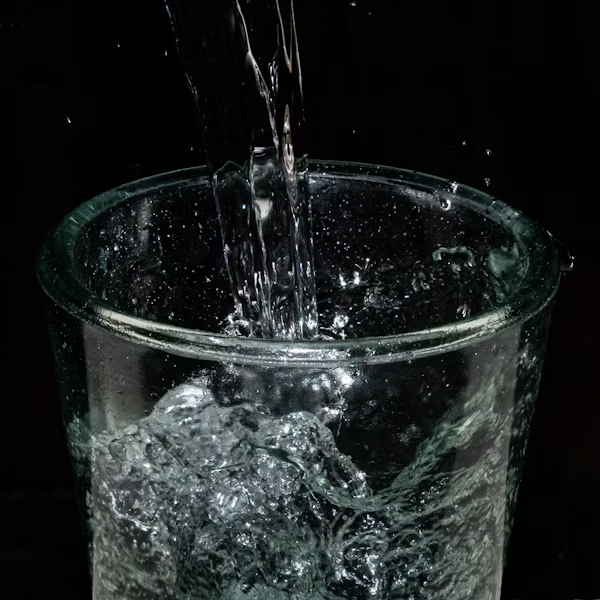
In this article, we will explore how Florida’s hard water contributes to eczema flare ups and share evidence based tips to help protect your skin without giving up your lifestyle.
Hard water is water that contains high levels of dissolved minerals, particularly calcium and magnesium. While safe to drink, hard water can leave behind residue on skin and surfaces, making it more difficult to rinse away soap and body wash.
Florida has some of the hardest water in the U.S., especially in cities like Tampa Bay, where the water hardness often exceeds 180 mg/L.
That is bad news for eczema prone skin.
Research shows that hard water can damage the skin’s natural barrier, leading to:
A 2017 study published in the Journal of Investigative Dermatology found that children exposed to hard water were at increased risk of developing eczema. The researchers concluded that calcium in hard water reacts with surfactants (like soap), creating irritants that compromise the skin barrier.
The mineral content in hard water interferes with the skin’s natural protective mechanisms in several ways. Calcium and magnesium ions bind with fatty acids in soap, forming insoluble salts that deposit on the skin surface. These deposits disrupt the lipid barrier, which is essential for maintaining hydration and protecting against environmental irritants.
Additionally, hard water raises the skin’s pH level, creating an alkaline environment that compromises the function of essential enzymes in the stratum corneum. These enzymes are responsible for maintaining the skin’s natural acidity, which serves as a defense against harmful bacteria and environmental stressors.
The combination of barrier disruption and pH alteration creates a perfect storm for eczema flare ups. The compromised barrier allows allergens and irritants to penetrate more easily, while the altered pH creates favorable conditions for Staphylococcus aureus colonization, further exacerbating inflammation and itching.
In addition to hard water, Florida’s climate includes several environmental factors that can worsen eczema symptoms:
Florida’s consistently high humidity levels can cause excessive sweating, which leads to sweat retention in skin folds and creases. This moisture buildup can trigger itching and inflammation, particularly in areas where skin rubs against skin or clothing.
While some people find that limited sun exposure improves their eczema, Florida’s intense ultraviolet radiation can easily lead to sunburn. Sun damaged skin has a compromised barrier function, making it more susceptible to eczema flares and other irritants.
Florida’s year round growing season means constant exposure to mold spores, pollen, and other airborne allergens. These particles can settle on the skin and trigger immune responses in sensitive individuals, leading to increased itching and inflammation.
The constant use of air conditioning necessary in Florida’s climate creates extremely dry indoor air, particularly during sleep. This low humidity environment draws moisture from the skin, exacerbating dryness and compromising the skin barrier overnight.
Before investing in water treatment solutions, it is helpful to know exactly how hard your water is. Several methods are available for testing water hardness at home:
Knowing your exact water hardness level helps determine the most appropriate treatment approach and ensures you select equipment rated for your specific conditions.
Whole house water softeners remove calcium and magnesium ions, making water gentler on your skin. If that is not an option, try an affordable showerhead filter that reduces chlorine and minerals.
Look for filters labeled:
Hard water makes soap harder to rinse, leading to alkaline buildup. Switch to soap free cleansers like:
Apply moisturizer within 3 minutes of stepping out of the shower to lock in hydration.
Use a thick, ceramide rich moisturizer like the NellaDerm’s NovaNella to repair the skin barrier and reduce inflammation.
Keep showers under 10 minutes and use lukewarm water, not hot. The hotter the water, the more it strips natural oils especially when minerals amplify its drying effect.
Washing clothes in hard water can leave behind detergent residue, which may irritate sensitive skin. Look for:
Bonus: Check out this NellaDerm blog post on how to wash bedding for more tips.
If you have recently moved to Florida and your eczema has worsened, bring it up with your doctor. They may:
Beyond the basic protective measures, several additional strategies can help minimize hard water’s impact on eczema prone skin:
For particularly sensitive facial skin, consider doing a final rinse with distilled or filtered water after cleansing. This helps remove any mineral deposits left by hard water without the expense of whole house filtration.
Applying a thin layer of petroleum jelly or zinc oxide cream to vulnerable areas before showering or swimming can create a protective barrier that minimizes direct contact between hard water and your skin.
If whole house softening is not feasible, consider point of use filters for specific taps. Bathroom sink filters can be particularly helpful for facial washing, while shower filters address full body exposure during bathing.
Using pH balanced skincare products helps counteract the alkalizing effects of hard water. Look for toners and moisturizers specifically formulated to restore and maintain the skin’s natural acidic mantle.
While you cannot change the water in your municipality, you can minimize its effects. Studies suggest that switching to soft water, even temporarily, can improve skin hydration and reduce eczema severity in a matter of weeks.
The National Eczema Association recommends hard water mitigation as part of an overall eczema care plan, particularly for households with children or immunocompromised individuals.
Living with hard water requires ongoing attention to your skincare routine and environment. Regular maintenance of water filtration systems is essential, as clogged or expired filters can become ineffective. Monitor your skin’s response to seasonal changes, as hard water effects may vary with temperature and humidity fluctuations.
Consider keeping a skincare journal to track which products and strategies work best for your skin in hard water conditions. Note any correlations between water related activities and eczema flares, and adjust your routine accordingly. Many people find that combining multiple approaches such as using both a shower filter and pH balanced cleansers provides better results than relying on a single solution.
Remember that consistency is key when managing eczema in hard water areas. It may take several weeks of consistent protective measures to see significant improvement in your skin’s condition. Be patient and work closely with your dermatologist to fine tune your approach based on your individual needs and responses.
Managing eczema in Florida is not just about the heat it is also about the water. From showering to laundry, hard water can be a silent contributor to your skin struggles.
But with a few smart adjustments like using water filters, barrier repairing moisturizers, and soap free cleansers you can enjoy Florida living without sacrificing your skin.
Explore NellaDerm’s eczema safe products to support your routine, and consider booking a consultation with a dermatologist who understands both atopic skin and the challenges of Florida’s environment.