Eczema concerns?
FREE
Get instant expert guidance with our smart AI platform.
Join NowIf you’re dealing with atopic dermatitis, one of the most common questions is: how long does an eczema flare-up last? The answer depends on several factors, including the cause of the flare, your skin type, and how early treatment begins. Understanding eczema flare-up length is key to managing symptoms effectively and preventing prolonged discomfort.
Let’s break down what influences the duration of an eczema flare, what to expect during each stage, and what you can do to reduce how long your skin stays inflamed.

Eczema flare-ups are unpredictable, uncomfortable, and often leave people wondering: how long will this last? Whether it’s a mild itch or a severe rash that disrupts sleep and daily life, understanding eczema flare-up length is crucial for managing expectations and speeding recovery.
This comprehensive guide breaks down everything you need to know about how long eczema flares typically last, what influences their duration, and proven strategies to shorten them. Backed by research and dermatologist insights, you’ll learn how to take control of your skin’s healing timeline.
An eczema flare-up occurs when the skin becomes red, itchy, and inflamed due to internal or external triggers. Flares can range from mild itching to severe rashes that ooze, crack, or bleed. Common triggers include allergens, stress, weather changes, certain fabrics, or skincare products.
Unlike acute allergic reactions, eczema flare-ups often build gradually and can linger for days or even weeks if not treated properly.
In general, a typical eczema flare-up lasts between a few days to a few weeks. For mild flares, symptoms may resolve in 3 to 7 days with appropriate care. Moderate flares may take 1 to 3 weeks to calm down. Severe flares, especially if left untreated or exposed to continued irritants, can persist for over a month.
The variability in eczema flare-up length is why many dermatologists recommend creating a personalized flare action plan.
A 2015 study published in the National Institutes of Health notes that prompt intervention and barrier-focused therapy significantly shorten eczema episodes, especially in adults with moderate to severe cases. Early treatment with moisturizers, topical anti-inflammatories, and trigger avoidance often improves outcomes.
There are several reasons why one person’s flare might last two days, while another’s lasts two weeks. Here are some of the top factors influencing eczema flare-up length:
If you’re wondering how to cut down eczema flare-up length, here are proven steps to calm your skin:
If your eczema flare-up length extends beyond three weeks, or if your skin becomes infected (swollen, yellow crusts, or extremely painful), seek medical help. You may need prescription treatment or testing to determine if other conditions are present, such as contact dermatitis or psoriasis.
One question that often follows discussions on eczema flare-up length is: how often do flares return?
Flare frequency depends on your overall condition, treatment plan, and how well you manage triggers. Some people have flares once every few months. Others may experience a continuous cycle. Establishing a consistent skincare routine can extend the time between flares and reduce their intensity.
Our related post on the Eczema Knowledge Hub, “How to Wash Bedding for Eczema,” discusses an often-overlooked trigger, dirty or improperly washed sheets, and how controlling your sleep environment can help prevent flares from recurring.
Unfortunately, yes. If a flare-up lasts longer than six weeks, it may be considered chronic eczema. At this point, the skin may become thickened, leathery, and discolored due to ongoing inflammation and scratching.
To break the chronic flare cycle, dermatologists often recommend:
Understanding eczema flare-up length is a major part of building confidence in your skincare routine. While flare-ups are frustrating, the good news is that with the right care and awareness of your unique triggers, most flares can be calmed within a week or two.
Consistency is key. Apply moisturizers regularly, avoid scratching, and respond to flares early. Products from NellaDerm’s product line can support your skin barrier throughout the process.
Looking for more advice on managing stubborn eczema? Visit the NellaDerm Eczema Knowledge Hub for science-backed posts on topics like eczema and stress management, sleep triggers, and the 3-minute rule for applying moisturizers.
Not all eczema flare-ups are created equal. The difference between mild, moderate, and severe flares directly impacts how long symptoms persist and what level of intervention is needed. Recognizing the type of flare you’re experiencing allows for more targeted treatment and faster recovery.
Mild flares typically involve localized redness and itching that respond quickly to over-the-counter moisturizers and trigger avoidance. These episodes often resolve within three to five days when managed promptly. The skin barrier remains largely intact, and inflammation is superficial.
Moderate flares spread across larger areas and include persistent itching, dryness, and visible inflammation. These can last one to three weeks, especially if scratching occurs. The skin may develop small cracks or begin to weep, requiring consistent moisturization and possibly topical anti-inflammatories.
Severe flares are characterized by intense redness, swelling, oozing, and widespread involvement. These can persist for four weeks or longer without medical intervention. Secondary infections are common, and the skin barrier becomes significantly compromised. Prescription treatments and sometimes oral medications are necessary to break the cycle.
Tracking flare severity over time helps identify patterns and adjust preventive strategies. Many patients find that what starts as a mild flare can escalate to severe if early signs are ignored. Early recognition and appropriate response remain the most effective tools for controlling eczema flare-up length across all severity levels.
Weather changes dramatically influence eczema flare-up length, with winter and summer posing unique challenges. Cold, dry winter air strips moisture from the skin, while summer heat and humidity create ideal conditions for irritation and infection. Understanding these seasonal patterns helps prepare and protect vulnerable skin year-round.
Winter flares often last longer due to low humidity levels that exacerbate barrier dysfunction. Indoor heating further dries the air, leading to persistent cracking and inflammation. Flares during this season commonly affect the hands, face, and lower legs, areas exposed to harsh conditions. Using a humidifier and applying occlusive moisturizers before bed can significantly reduce duration.
Summer flares, while less frequent, can be more intense due to sweat, chlorine, and sunscreen ingredients. Heat triggers itching, and prolonged moisture creates breeding grounds for bacteria. These flares often involve the body folds and can lead to secondary infections if not addressed quickly. Lightweight, breathable clothing and frequent gentle cleansing help manage symptoms.
Transitional seasons like spring and fall bring allergen surges that extend flare duration. Pollen, mold, and dust mites peak during these periods, triggering immune responses in sensitive individuals. Antihistamines and air purifiers become valuable tools alongside topical treatments.
Creating a seasonal skincare calendar ensures you’re prepared for environmental shifts. Adjusting routines before peak seasons begin prevents many prolonged flares and maintains better control over eczema year-round.
Pediatric eczema presents unique challenges in flare duration and management. Children’s skin heals faster than adults, but their inability to resist scratching often prolongs episodes. Understanding age-specific patterns helps parents intervene effectively and reduce discomfort.
Infant flares commonly appear on the cheeks, scalp, and extensor surfaces. These typically last one to two weeks with proper care but can become chronic if food allergies are involved. Breastfeeding mothers may need to eliminate common triggers like dairy or eggs to see improvement.
Toddler and preschool-age children experience flares on flexural areas like elbow creases and behind knees. These episodes average seven to ten days but extend with continued scratching or exposure to irritants like bubble baths. Distraction techniques and protective clothing during playtime minimize damage.
School-age children face additional triggers from stress, sports equipment, and peer activities. Flares in this group often last ten to fourteen days, especially during exam periods or sports seasons. Establishing routines that include pre-activity moisturizing and post-activity cleansing prevents escalation.
Many children outgrow eczema by adolescence, but consistent management during flare-prone years builds healthy skin habits. Pediatric dermatologists emphasize gentle products and early intervention to minimize both duration and long-term skin changes.
The connection between stress and eczema flare-up length is well-documented but often underestimated. Emotional stressors activate the body’s inflammatory response, prolonging skin recovery and intensifying symptoms. Managing mental health becomes as crucial as topical treatments for comprehensive eczema control.
Stress hormones like cortisol weaken the skin barrier and increase inflammatory cytokines. What might resolve in five days under normal conditions can extend to two weeks during high-stress periods. Work deadlines, relationship issues, or financial worries all contribute to prolonged flares.
The itch-scratch-stress cycle creates a vicious loop. Itching releases more stress hormones, which worsen itching, leading to more scratching and extended healing time. Breaking this cycle requires addressing both the physical symptoms and emotional triggers simultaneously.
Effective stress management techniques include mindfulness meditation, progressive muscle relaxation, and cognitive behavioral strategies. Even ten minutes daily can reduce flare duration significantly. Some patients benefit from professional counseling to develop personalized coping mechanisms.
Journaling flare patterns alongside life events reveals stress correlations. This awareness allows proactive measures before major stressors impact the skin. Combining stress reduction with consistent skincare creates the shortest possible recovery windows.
Dietary choices significantly influence eczema flare-up length, though individual responses vary. While food doesn’t cause eczema, certain items can trigger or prolong inflammation in sensitive individuals. Identifying personal dietary triggers through elimination and reintroduction shortens future episodes.
Common prolongers include dairy, eggs, nuts, wheat, and soy, especially in children. Removing these during active flares can reduce duration by several days. Processed foods high in sugar and trans fats promote systemic inflammation that extends skin recovery time.
Anti-inflammatory foods help shorten flares. Omega-3 rich fish, flaxseeds, and walnuts support skin barrier function. Antioxidant-packed berries, leafy greens, and turmeric combat oxidative stress that delays healing. Probiotic foods like yogurt and kefir may improve gut-skin axis health.
Hydration plays a critical role. Adequate water intake supports skin cell turnover and reduces dryness that prolongs flares. Herbal teas with chamomile or ginger provide additional anti-inflammatory benefits without caffeine’s potential to exacerbate symptoms.
Working with a registered dietitian ensures nutritional balance during elimination phases. Gradual reintroduction identifies specific triggers without compromising overall health. Dietary management, combined with topical care, creates optimal conditions for rapid flare resolution.
Modern technology offers powerful tools for tracking eczema flare-up length and identifying patterns. Consistent documentation transforms guesswork into data-driven management, leading to shorter, less frequent episodes over time.
Dedicated eczema apps allow photo documentation of skin changes alongside symptom severity ratings. Daily entries capture trigger exposure, treatment adherence, and environmental factors. Over months, patterns emerge that would otherwise go unnoticed.
Simple spreadsheets work well for those preferring manual tracking. Columns for date, flare location, severity score, potential triggers, treatments used, and resolution date create comprehensive records. Monthly reviews reveal seasonal trends and treatment efficacy.
Wearable devices that monitor sleep quality, stress levels, and activity provide additional context. Poor sleep consistently correlates with longer flare duration, while stress spikes often precede symptom onset by one to two days.
Sharing detailed records with dermatologists enables more precise treatment adjustments. What seems random becomes predictable with sufficient data. Many patients reduce average flare length by thirty percent through informed tracking and proactive management.
While understanding current flare duration helps manage active episodes, preventing future flares creates the most significant quality-of-life improvement. Comprehensive prevention strategies address multiple factors simultaneously for lasting results.
Daily maintenance with fragrance-free, hypoallergenic products builds resilient skin that resists triggers. The three-minute rule, applying moisturizer within three minutes of bathing, maximizes hydration retention and strengthens barrier function over time.
Environmental controls include using HEPA air filters, washing bedding weekly in hot water, and maintaining indoor humidity between forty and sixty percent. These measures reduce allergen exposure that would otherwise initiate inflammatory cascades.
Lifestyle consistency matters more than occasional intensive efforts. Regular sleep schedules, balanced nutrition, and stress management create internal stability that supports external skin health. Exercise promotes circulation and reduces inflammation without overheating the skin.
Annual dermatologist check-ins allow treatment plan adjustments before problems escalate. Many patients who implement comprehensive prevention see flare frequency drop from monthly to quarterly, with significantly shorter duration when episodes do occur.
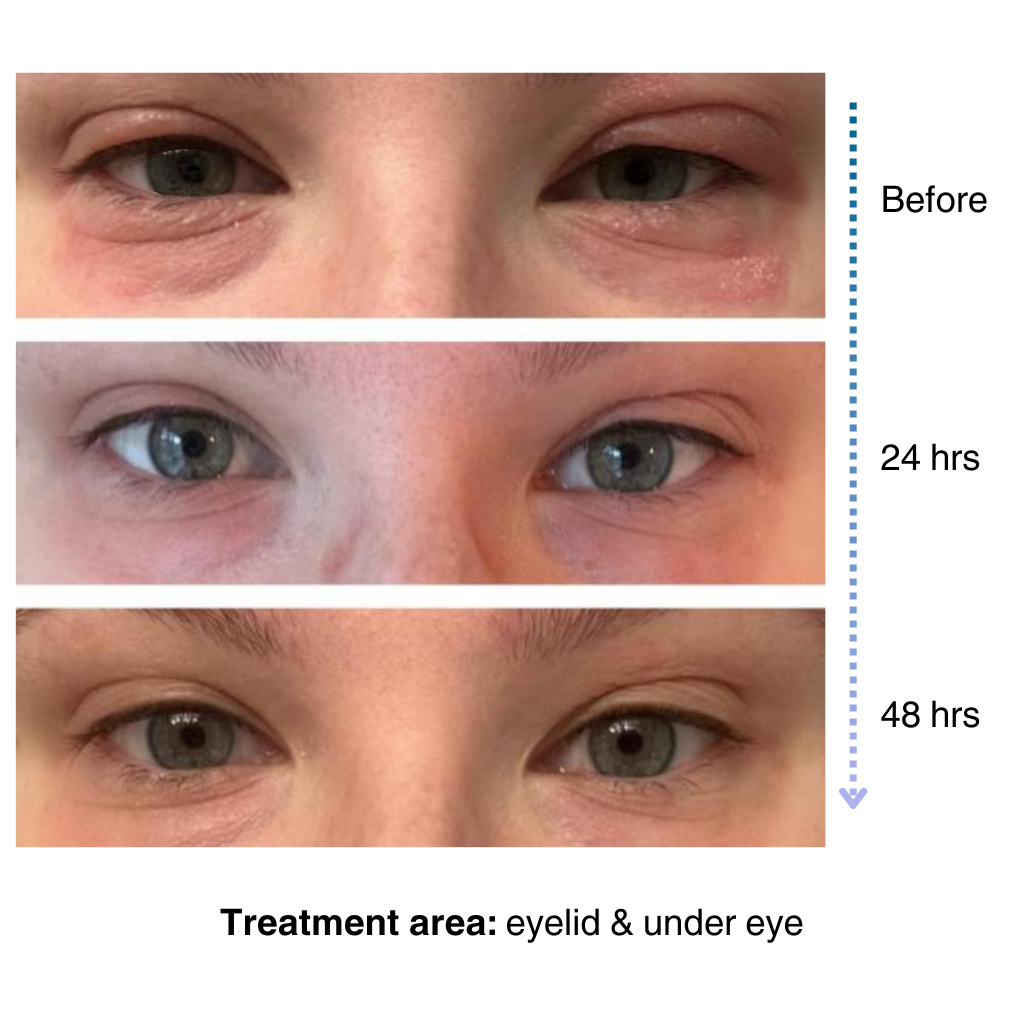
It’s easy to apply and isn’t chalky at all. I’ve been applying it multiple times a day… I’ve tried multiple new products to try and treat my eye eczema, and this is definitely the best I’ve tried so far.
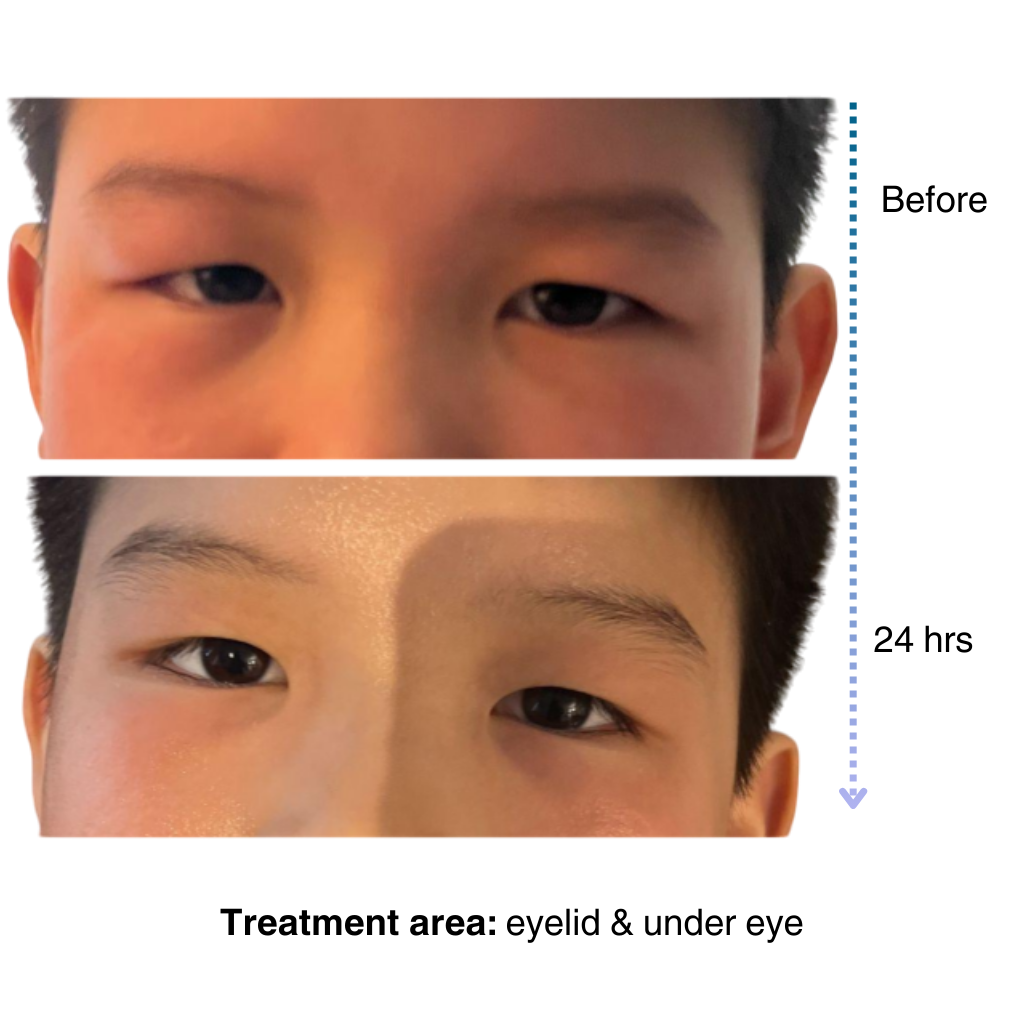
My 7-year old son has been dealing with eczema on his face for a long time, and it’s been so tough to find something that really works…..I’m amazed by the results! Within one day, the redness and rough patches on his face significantly improved…. he doesn’t mind using it at all because it doesn’t sting or feel greasy. – Lily

Like many of you, our eczema journey is personal. That’s why we’re committed to creating a space for the eczema community to share experiences, be empowered through evidence-based solutions, and learn practical tips for daily life.
– Sajjad, Founder & CEO of NellaDerm
