
Eczema concerns?
FREE
Get instant expert guidance with our smart AI platform.
Join NowIf you or a loved one struggles with atopic dermatitis, you’ve probably asked: what causes eczema, and why does it seem to flare without warning? While eczema is a lifelong condition for many, recent breakthroughs in dermatological research are bringing us closer to understanding its root causes and potential long-term solutions.
In this post, we’ll unpack what science now knows about eczema causes, highlight one major study changing how we think about eczema, and offer practical tips for managing your skin based on these findings.

Eczema is not caused by a single trigger. Instead, it results from a mix of genetic, immunological, environmental, and lifestyle factors. These interact in unique ways from person to person.
Some key contributors to eczema causes include:
Understanding these drivers can help you identify your own flare up patterns and build a skincare routine that reduces their impact.
One of the most important breakthroughs in understanding eczema causes came with the discovery of a genetic mutation in the filaggrin gene. This gene helps your skin form a strong, protective outer layer. When it is not working properly, moisture escapes and irritants penetrate more easily.
A foundational study published in the Journal of Allergy and Clinical Immunology found that people with mutations in this gene are significantly more likely to develop eczema, especially from an early age (Palmer et al., 2006).
This mutation does not just affect moisture. It also weakens your body’s first line of defense. That is why many dermatologists emphasize consistent hydration using emollients that support barrier repair.
Products like the NellaDerm NellaCalm cream are designed specifically for this purpose. With a steroid free, non irritating formula, it helps rebuild the barrier while soothing inflammation, without further disrupting the skin microbiome.
Beyond the filaggrin gene, researchers have identified numerous other genetic markers associated with eczema susceptibility. These genes often relate to immune system regulation, inflammation pathways, and skin structure proteins. The inheritance pattern of eczema is complex, involving multiple genes rather than a single gene mutation.
Family history remains one of the strongest predictors of eczema development. Children with one parent who has eczema have approximately a 30 percent chance of developing the condition, while those with two affected parents face a 50 to 70 percent likelihood. However, genetic predisposition alone does not guarantee eczema will manifest environmental triggers play a crucial role in activating these genetic tendencies.
Recent advances in genetic testing have enabled more personalized approaches to eczema management. While genetic testing for eczema is not yet routine in clinical practice, understanding your genetic background can help you and your dermatologist develop more targeted prevention and treatment strategies.
Even if you have the genetic foundation for eczema, flare ups usually occur due to exposure to one or more triggers. These include:
Many of these can disrupt the skin’s microbiome or overstimulate the immune system, leading to inflammation, redness, and itching.
That is why a holistic eczema management plan does not stop with creams. It includes reducing exposure to known irritants, maintaining a consistent skincare routine, and taking steps to improve stress and sleep quality.
Eczema is also closely tied to the immune system. People with eczema tend to have an immune imbalance that leads to chronic inflammation. Specifically, they often have an excess of type 2 helper T cells (Th2), which produce inflammatory molecules like IL-4 and IL-13.
These molecules fuel flare ups by increasing sensitivity and skin reactivity. This is one reason biologic medications like Dupixent, which block IL-4 and IL-13, have become popular for treating moderate to severe eczema.
But these treatments are expensive and not always necessary. For milder forms of eczema, restoring the skin barrier and avoiding known triggers often leads to significant improvement.
Recent research has highlighted the importance of the skin microbiome in eczema development and severity. The skin microbiome refers to the diverse community of microorganisms that live on our skin surface, including bacteria, fungi, and viruses. In healthy skin, these microorganisms exist in a balanced state that supports skin barrier function and immune regulation.
People with eczema often show reduced microbial diversity on their skin, with an overabundance of Staphylococcus aureus bacteria. This imbalance can trigger inflammation, damage the skin barrier, and perpetuate the itch scratch cycle. Factors that disrupt the skin microbiome include excessive washing with harsh cleansers, antibiotic use, and environmental pollutants.
Emerging treatments focused on restoring healthy skin microbiota include probiotic and prebiotic skincare products, bacterial transplantation therapies, and microbiome friendly formulations that support beneficial microbial communities while inhibiting harmful ones.
The connection between mental health and eczema is well established but often underestimated. Stress, anxiety, and depression can significantly worsen eczema symptoms through multiple pathways. Psychological stress triggers the release of cortisol and other stress hormones that promote inflammation throughout the body, including the skin.
Additionally, the chronic itch and discomfort of eczema can lead to sleep disturbances, social isolation, and reduced quality of life, creating a vicious cycle where eczema worsens mental health, which in turn exacerbates eczema. Stress management techniques such as mindfulness meditation, cognitive behavioral therapy, and regular exercise have shown promise in reducing eczema severity and improving overall wellbeing.
Recognizing and addressing the psychological components of eczema is essential for comprehensive management. Patients who incorporate stress reduction strategies alongside conventional treatments often experience better outcomes and reduced reliance on medications.
Here is the bottom line: eczema causes vary from person to person, but they often stem from a combination of impaired skin protection and overactive immune signaling. Genetics play a major role, but your environment and lifestyle determine how often and how severely you flare.
New research is increasingly emphasizing the importance of barrier first care: skincare routines focused on moisture, protection, and microbiome balance. This is especially effective when done proactively, not just during flare ups.
If you are looking to learn more about supporting your skin daily, check out our post on “How to Wash Bedding for Eczema”, which offers essential hygiene tips to reduce irritant exposure overnight.
Managing eczema successfully requires a proactive and individualized approach. Here are several evidence informed strategies:
The skin barrier plays a foundational role in eczema. Supporting it requires a combination of:
Try using NellaDerm’s NellaCalm cream after washing to seal in moisture and minimize barrier disruption.
For moderate to severe eczema, topical corticosteroids or calcineurin inhibitors may be prescribed. These calm inflammation locally. In more stubborn cases, systemic medications or biologics like Dupixent may be used to block inflammatory cytokines like IL-4 and IL-13.
Discussing long term treatment options with a dermatologist is essential, especially to avoid overreliance on topical steroids. You can also learn more about withdrawal risks in NellaDerm’s post on Topical Steroid Withdrawal found on the Eczema Knowledge Hub.
While food allergies are not universal eczema causes, a poor diet high in sugar, dairy, or ultra processed foods may promote systemic inflammation. Anti inflammatory diets rich in omega-3 fatty acids (like flaxseed, salmon, and walnuts), colorful vegetables, and prebiotic fibers may support immune balance and skin health.
Recent studies are also investigating the gut skin axis, showing how an imbalanced gut microbiome may worsen skin conditions. While probiotics are not a magic bullet, some strains may help reduce eczema severity, especially in children.
Environmental eczema causes are often underestimated. Try:
If you are looking for more lifestyle based strategies, see NellaDerm’s blog post on How to Protect Eczema Prone Skin During Allergy Season.
The landscape of eczema treatment is rapidly evolving with several promising developments on the horizon. New biologic medications targeting different inflammatory pathways are in advanced clinical trials, offering hope for patients who do not respond to current treatments. These include drugs that block IL-13, IL-31, and other cytokines involved in eczema inflammation.
Topical Janus kinase (JAK) inhibitors represent another innovative approach, providing targeted anti-inflammatory action without the side effects associated with steroids. Microbial-based therapies, including topical formulations containing beneficial bacteria like Roseomonas mucosa, are showing promise in clinical studies for restoring healthy skin microbiota.
Advances in digital health technologies are also transforming eczema management. Smartphone apps that track symptoms, environmental triggers, and treatment responses enable more personalized care. Wearable sensors that monitor scratching behavior during sleep provide objective data to guide treatment adjustments.
As researchers continue to explore eczema causes, from genetic mutations to environmental and lifestyle triggers, hope is growing for more targeted and effective therapies. Whether you are managing mild symptoms or navigating long term treatment for chronic eczema, the key is knowledge, prevention, and daily care.
If you are just beginning your eczema journey, start by building a barrier first routine, identifying your unique flare up triggers, and checking in with a dermatologist about the latest treatment options.
Ready to try gentle skincare that supports your skin’s natural defenses? Explore NellaDerm’s full line of eczema safe products to find the right match for your daily routine.
Q: Can eczema be cured permanently?
A: At this time, there is no permanent cure for eczema. However, understanding its root causes allows for effective long-term management. Advances in science, such as barrier repair therapies, biologics, and personalized skincare, mean that many people can live virtually flare-free with the right regimen.
Q: If eczema is genetic, does that mean my child will have it too?
A: Not necessarily. While eczema often runs in families, environmental and immune system factors also play a role. If both parents have eczema, there’s a higher chance their child may develop it, but it’s not guaranteed. Early skincare, like consistent use of emollients, may help reduce risk.
Q: Are food allergies a cause of eczema?
A: Food allergies do not cause eczema directly, but in some people, especially in children, they can trigger flares or worsen symptoms. A healthcare provider may recommend allergy testing if dietary triggers are suspected. However, strict elimination diets should only be done under medical supervision.
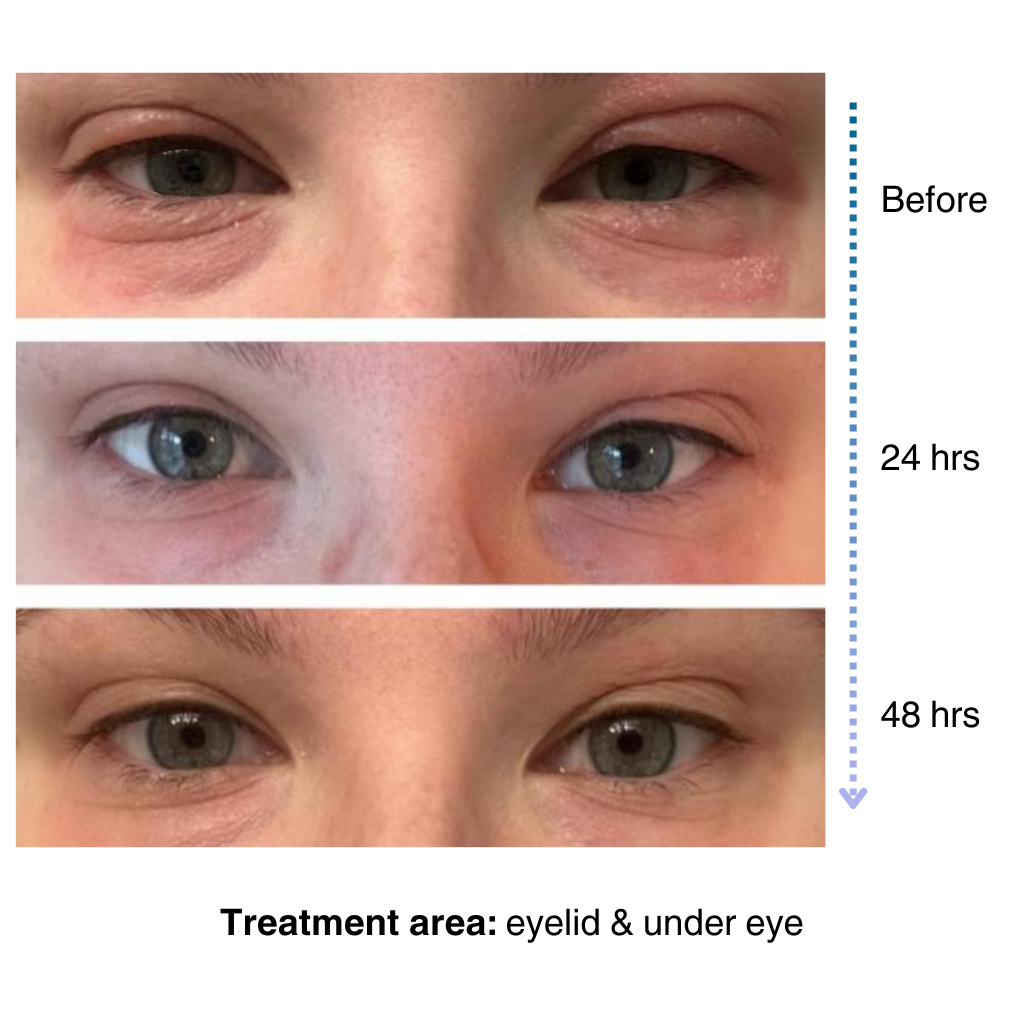
It’s easy to apply and isn’t chalky at all. I’ve been applying it multiple times a day… I’ve tried multiple new products to try and treat my eye eczema, and this is definitely the best I’ve tried so far.
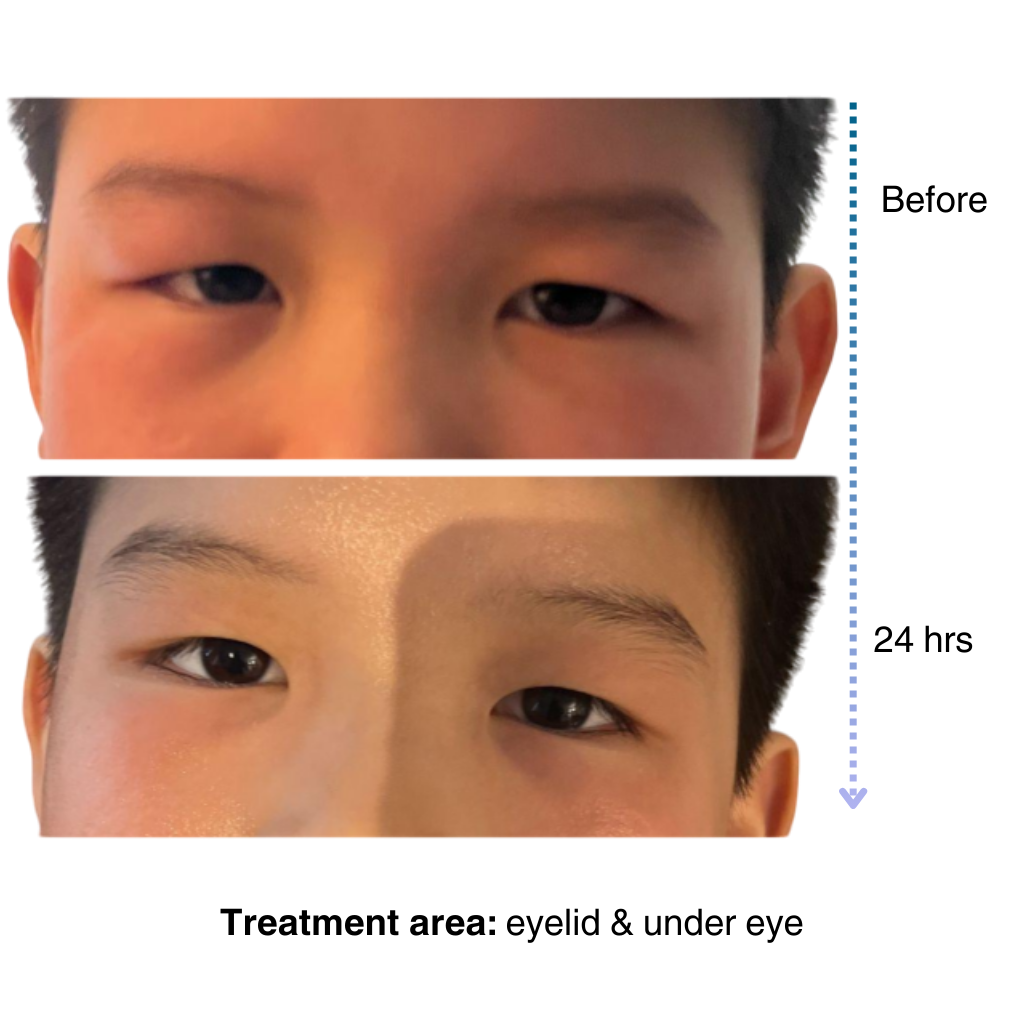
My 7-year old son has been dealing with eczema on his face for a long time, and it’s been so tough to find something that really works…..I’m amazed by the results! Within one day, the redness and rough patches on his face significantly improved…. he doesn’t mind using it at all because it doesn’t sting or feel greasy. – Lily

Like many of you, our eczema journey is personal. That’s why we’re committed to creating a space for the eczema community to share experiences, be empowered through evidence-based solutions, and learn practical tips for daily life.
– Sajjad, Founder & CEO of NellaDerm
