Eczema Cleaning Tips for Sensitive Skin

A clean space can make life with eczema easier—less dust, fewer allergens, calmer skin. But the way many households clean (strong fragrances, splashy bleach sessions, repeated hot-water scrubs) can strip the barrier and turn “cleaning day” into a week of sting and itch. Eczema cleaning is not about doing less. It is about choosing products and methods that sanitize effectively without sabotaging skin.


A 2022 systematic review in NIH found that alcohol-based hand rubs, used correctly, are often better tolerated than repetitive soap-and-water cycles for at-risk skin, which is useful when cleaning requires frequent hand hygiene.
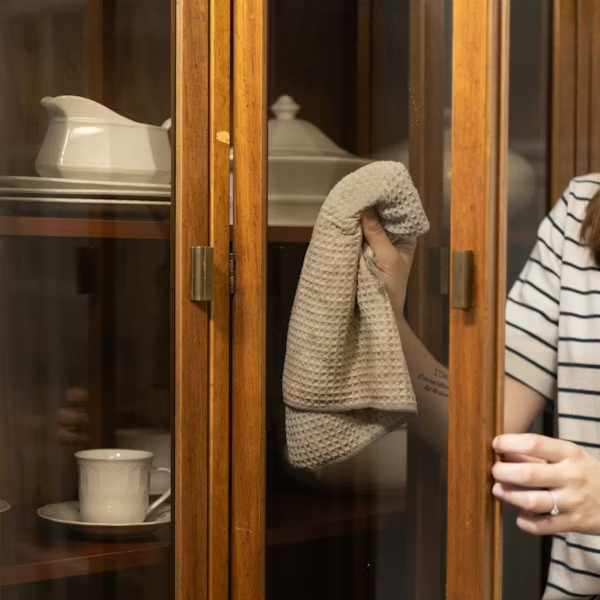
eczema cleaning

The Essentials In One Minute

  • Pick fragrance-free products wherever possible. Fragrance is a top contact allergen across home care categories.
  • Prefer alcohol-based sanitizers with emollients for quick hand hygiene between tasks. Wash with lukewarm water and a mild cleanser only when necessary, then moisturize. 
  • Use gloves that fit and learn a fast moisturizer routine before, between, and after tasks.
  • Ventilate during disinfecting and avoid “spray clouds.” Wipe or pour onto cloths instead of misting the air.
  • For laundry, stick to fragrance-free liquid detergent, the smallest effective dose, and an extra rinse—residue left in fabrics keeps irritation simmering. See: How to Wash Bedding for Eczema: A Step-by-Step Guide.

If you want a simple barrier-first cream that plays nicely under gloves and after rinsing, keep NellaCalm Steroid-Free Eczema Cream at the sink.


Build Your Eczema Cleaning Toolkit

For hands

  • Pocket alcohol-based sanitizer with emollients for in-between moments. 
  • Fragrance-free mild cleanser for soap-and-water washes.
  • Travel moisturizer; apply a pea-size after every dry.

For surfaces

  • Fragrance-free, dye-free all-purpose cleaner for routine soil.
  • EPA-registered disinfectant for high-touch spots when needed (follow label contact times).
  • Microfiber cloths and soft sponges to reduce abrasive scrubbing.

For laundry

  • Fragrance-free liquid detergent, measuring cup, and a reminder to run an extra rinse.

For protection

  • Nitrile gloves (consider accelerator-free if you have glove-pattern rashes).
  • Cotton glove liners for long jobs (if task safety allows).
  • Safety glasses for splashy chores.

For more on glove routines and skin-saving hygiene at work or home, this practical post helps: Eczema on Hands Treatment: How to Heal, Soothe, and Prevent Flare-Ups.


Disinfectants And Detergents: What To Choose, What To Limit

Choose

  • Fragrance-free formulations.
  • Alcohol-based hand sanitizers with humectants for quick hand hygiene during chores.
  • Diluted household bleach only when needed and exactly as labeled, with ventilation and gloves.
  • Oxygen-based cleaners (percarbonates) for stain work if fragrances and dyes are absent.

Use carefully or limit

  • Scented sprays, especially air and fabric fresheners that leave residue on textiles and skin.
  • Essential-oil “natural” cleaners with strong botanicals (citrus, mint, tea tree) that can irritate sensitized skin.
  • Heavy-duty degreasers that strip oils from both surfaces and hands—glove up, ventilate, and moisturize afterward.

Label-reading tips for eczema cleaning

  • Scan for “fragrance,” “parfum,” and long essential-oil lists—put those back.
  • Prefer liquids over powders for laundry to minimize residue.
  • Respect contact time on disinfectants. Wiping too soon can be ineffective; over-spraying creates irritating aerosols.

Hand Strategy That Actually Works

  1. Before you start
  • Clean, dry hands.
  • Apply a pea-size of moisturizer to the backs of hands. Let it sink for one minute so grip stays good.
  • Put on nitrile gloves; add cotton liners under nitrile for long tasks if allowed.
  1. During tasks
  • When hands are not visibly dirty, use alcohol-based sanitizer between rooms.
  • If you must wash, use lukewarm water, mild cleanser, pat dry, then moisturize a rice-grain amount before re-gloving.
  1. After you finish
  • Remove gloves, wash once with lukewarm water, pat dry, and moisturize thoroughly—backs, webs, and wrists.

Room-By-Room Eczema Cleaning

Kitchen

  • Daily: Wipe counters with a fragrance-free all-purpose cleaner on a damp cloth. Rinse food-contact surfaces with water if the label requires it.
  • High-touch disinfecting: Handles, faucet, and trash can lid. Apply disinfectant to the cloth, not into the air, and follow the stated wet-time.
  • Dish routine: If dish soaps sting, wear gloves and switch to a mild, fragrance-free option.
  • Stovetop and oven: Use the least harsh degreaser that works. Ventilate, glove up, and wash once afterward with lukewarm water before moisturizing.

Bathroom

  • Soap scum and scale: Fragrance-free acidic or oxygen-based bathroom cleaners work well. Keep rooms ventilated and avoid mixing products.
  • Toilet and sink disinfection: Apply disinfectant to a cloth, wipe, and let the surface stay wet for the contact time.
  • Shower curtain and mats: Wash often in fragrance-free detergent with an extra rinse to reduce mildew and residue.
  • Handwashing station: Stock a mild, fragrance-free hand cleanser and your moisturizer. This habit supports eczema cleaning for everyone in the house.

Laundry Room

  • Detergent: Use a fragrance-free liquid, measure precisely, and choose extra rinse.
  • Fabric softeners and scent boosters: Skip them. They leave residue that rubs skin all day.
  • Washer maintenance: Run a hot maintenance cycle monthly to reduce biofilm and musty odors without relying on perfumed additives.

Bedroom

  • Dust control: Microfiber wipe on hard surfaces weekly. Vacuum with a HEPA filter where possible.
  • Bedding: Wash sheets and pillowcases weekly with fragrance-free liquid and an extra rinse. This reduces dust and detergent residue against skin overnight.
  • Mattress and pillows: Encasing can help dust-mite control, but comfort matters too. Choose covers with smooth, breathable fabrics.

Living Room

  • Upholstery: Vacuum with HEPA and spot clean using fragrance-free solutions. Test in a hidden area first.
  • Throw blankets and pillows: Wash frequently using the same eczema cleaning laundry settings.
  • Air quality: Ventilate while cleaning. Plants look nice but are not reliable “air purifiers”—depend on open windows and filters rather than heavy scent sprays.

Entryway

  • Shoes-off policy: Keeps pesticide and outdoor grime off floors and rugs.
  • Quick hand clean: Keep sanitizer and a hand cream by the door. One pump on, one pea of cream right after—skin first. 

How To Use Bleach Without Bothering Skin

Bleach is effective for targeted disinfection of high-risk messes (for example, raw poultry spills), but it is an irritant in concentrated or poorly ventilated use. If you need it:

  • Mix only what you will use today and follow label dilution.
  • Open windows or run a fan.
  • Wear gloves.
  • Apply with a damp cloth rather than spraying into the air.
  • After the contact time, rinse food-contact surfaces with water if the label says to.
  • Wash hands once, pat dry, moisturize.

Kids, Pets, And Sensitive Noses

  • Choose fragrance-free everything in homes with babies and pets.
  • Lock away concentrated cleaners; mop or wipe with windows open.
  • Rinse floors where babies crawl if you used disinfectant that requires a water rinse.
  • For litter boxes and pet areas, use scoop and bag plus a fragrance-free cleaner; skip room sprays.

The Two-Week Eczema Cleaning Reset

Days 1–3: Clear the irritant clutter

  • Box up scented sprays, oil diffusers, and fragranced cleaners.
  • Stock replacements: fragrance-free all-purpose cleaner, disinfectant wipes or liquid, mild hand cleanser, sanitizer with emollients, nitrile gloves, and your favorite moisturizer.

Days 4–7: Tune your hand routine

  • Practice the loop: sanitize or wash, pat dry, apply a pea-size moisturizer, and put on gloves.
  • Log any stinging tasks and note which products were involved.

Days 8–10: Laundry overhaul

  • Switch to fragrance-free liquid detergent. Use the smallest effective dose and activate extra rinse.
  • Rewash pillowcases, towels, and favorite tees to purge old residue.

Days 11–14: Room rhythm

  • Do one room per day using the methods above.
  • Keep a quick note of itch 0–10 each night and whether a task made it spike.
  • By day 14, keep only the products and routines that left skin calm and surfaces clean.

Troubleshooting: Quick Fixes For Common Issues

“Hands crack after an hour of chores.”
Use cotton liners under nitrile gloves for long tasks and moisturize the backs of hands before gloving. Reapply a rice-grain amount between rooms.


“Cleaner works but the smell lingers.”
Switch to a fragrance-free version and improve ventilation. If you must keep that specific product, apply it to the cloth, not the air.


“Laundry still feels itchy.”
Cut detergent dose in half and add another extra rinse. Confirm your product is truly fragrance-free and dye-free.


“Disinfectant dries the counter chalky.”
That is often residue. Use the right amount, respect contact time, and follow with a water wipe if the label allows on that surface.


“Face flares after cleaning days.”
Avoid touching your face during chores. After finishing, rinse with lukewarm water and moisturize immediately to remove residue.


Final Thoughts

Clean does not have to mean itchy. With eczema cleaning, you protect the barrier first and build your routine around fragrance-free products, smarter hand hygiene, measured disinfectant use, and laundry that leaves no residue. Ventilate rooms, apply products to cloths instead of clouding the air, and moisturize hands after every dry. In two weeks you will know exactly which habits keep your home healthy and your skin calm.

FAQs

Do I need to disinfect daily?
Routine cleaning removes most soil and microbes. Disinfect high-touch areas during illness, after raw meat prep, or when your household prefers that extra step. Always follow label contact times.


Are “green” cleaners better for eczema?
Not automatically. Many rely on essential oils for scent. The safest bet for eczema cleaning is fragrance-free, dye-free formulas with clear ingredient lists.


Powder vs liquid detergent?
Liquids tend to rinse cleaner than powders. For eczema cleaning, start with a fragrance-free liquid plus extra rinse.


Is vinegar a safe disinfectant?
Vinegar can remove mineral deposits and some soils but is not an EPA-registered disinfectant for viruses like norovirus or influenza. Use approved disinfectants when true disinfection is needed.


What if I react to gloves?
Ask about accelerator-free nitrile or try cotton liners. If rashes persist, bring glove packaging to your clinician and consider patch testing.

Explore the Eczema Knowledge Hub

Your go-to resource for flare-up relief, skincare tips, and science-backed advice.

"...this is the best I've tried so far."

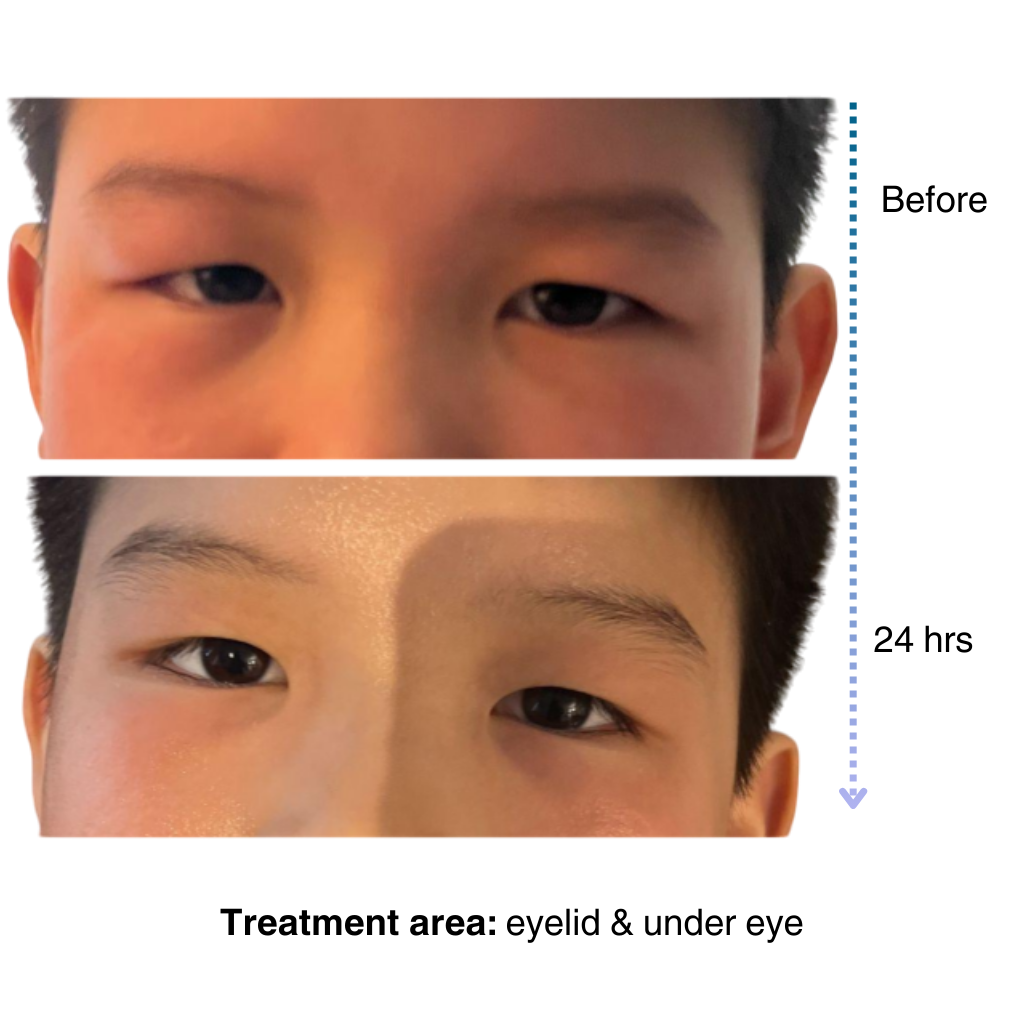
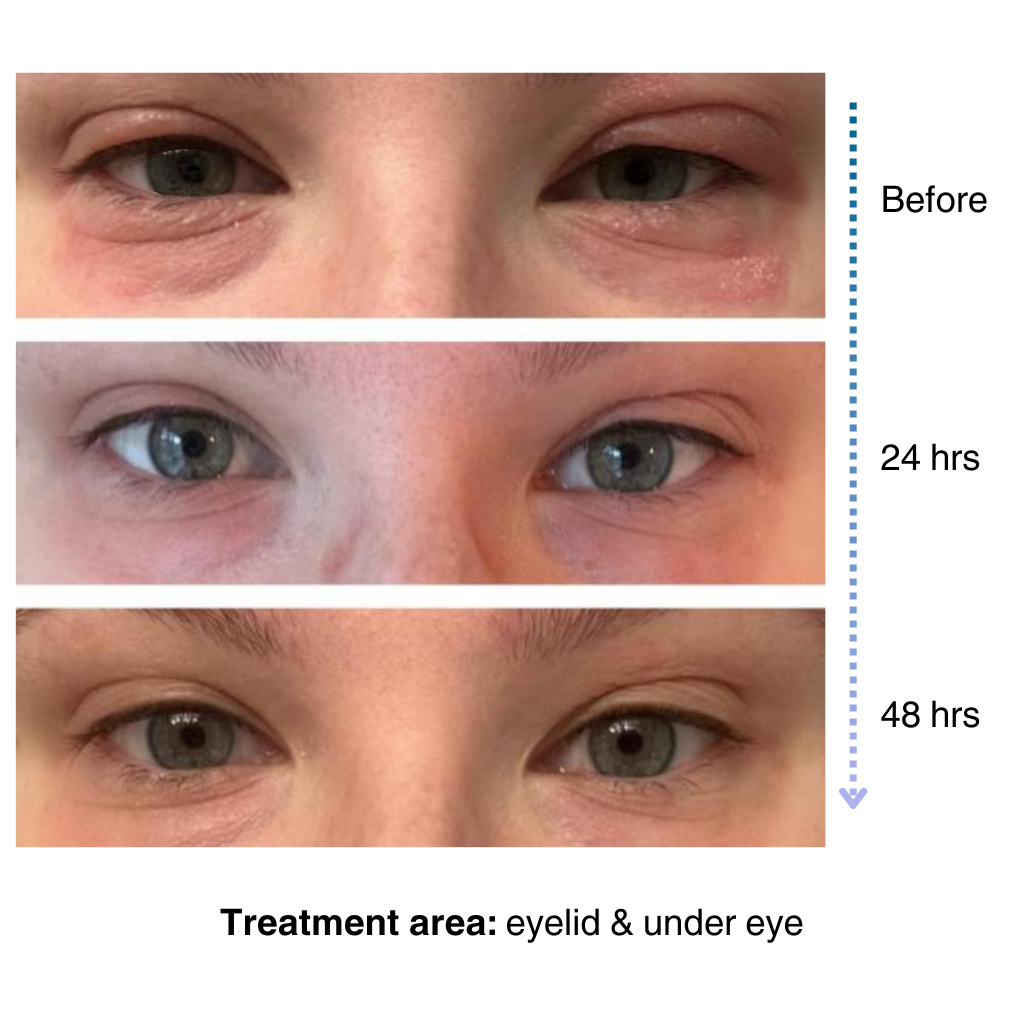
It’s easy to apply and isn’t chalky at all. I’ve been applying it multiple times a day… I’ve tried multiple new products to try and treat my eye eczema, and this is definitely the best I’ve tried so far.

"Game-changer for my son's eczema"

My 7-year old son has been dealing with eczema on his face for a long time, and it’s been so tough to find something that really works…..I’m amazed by the results! Within one day, the redness and rough patches on his face significantly improved…. he doesn’t mind using it at all because it doesn’t sting or feel greasy. – Lily
Newsletter Signup

Like many of you, our eczema journey is personal. That’s why we’re committed to creating a space for the eczema community to share experiences, be empowered through evidence-based solutions, and learn practical tips for daily life.  

– Sajjad, Founder & CEO of NellaDerm

Eczema treatment
Shopping Cart