Eczema concerns?
FREE
Get instant expert guidance with our smart AI platform.
Join NowIf you or someone you love is living with eczema, you’ve probably asked the question: Can eczema be cured?Unfortunately, the short answer is no, at least not yet. But the good news is that long-term management has come a long way, and many people now enjoy long periods of clear, comfortable skin.
This blog dives into what we currently know about the possibility of an eczema cure, what makes it a complex condition to treat, and which long-term options show promise in reducing flare-ups and improving skin health over time.
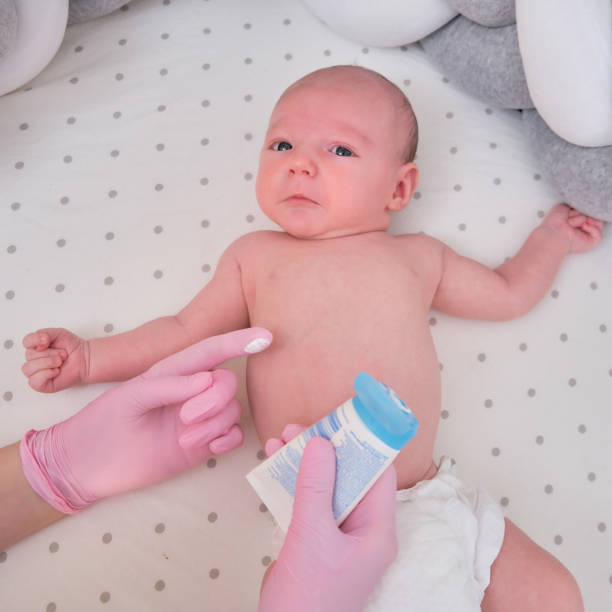
Eczema, or atopic dermatitis, is a chronic inflammatory skin condition influenced by a combination of genetics, environment, immune system responses, and skin barrier dysfunction. Because these contributing factors are so diverse and interconnected, a simple cure that works for everyone remains elusive.
A 2021 review explains that eczema is increasingly viewed as a heterogeneous disease, meaning there are different subtypes and triggers for different people, complicating the development of a one size fits all solution.
Currently, there is no permanent eczema cure, but several approaches offer long term remission or significant symptom control. These include:
Biologics such as Dupilumab (Dupixent) are FDA approved for moderate to severe eczema and work by blocking specific pathways in the immune system that trigger inflammation. These injections have revolutionized eczema care for many, offering long term symptom control and dramatically reducing flare frequency.
A 2022 study in The New England Journal of Medicine found that 75% of patients using Dupixent experienced a 75% improvement in their eczema severity score within 16 weeks.
Chronic eczema often means your skin barrier is weak or damaged. The use of occlusive ointments and ceramide rich moisturizers helps restore the barrier and reduce flare frequency.
NellaDerm’s NellaCalm Cream is one example of a steroid free, botanically enriched formula that is gentle enough for long term daily use and helps protect your skin against moisture loss and irritation.
For many, identifying and avoiding triggers is the first step to reducing flare ups:
One way to build your routine is to start with the basics. Our blog on How to Wash Bedding for Eczema provides easy changes that can reduce nighttime flares.
Instead of waiting for flare ups, proactive eczema care involves using treatments like topical anti inflammatories (e.g., tacrolimus, pimecrolimus) 2 to 3 times a week on previously affected areas to prevent recurrence.
This strategy is supported by research from NIH, which found that proactive treatment significantly reduces the number and intensity of future flares.
Eczema has a strong genetic component that makes it particularly challenging to cure. Research has identified several genes associated with eczema susceptibility, including the filaggrin gene which plays a crucial role in maintaining the skin barrier. When this gene is mutated, the skin cannot properly retain moisture or protect against environmental irritants.
These genetic variations affect how the immune system responds to triggers and how effectively the skin barrier functions. Since we cannot currently alter our genetic makeup, treatment focuses on managing the symptoms and consequences of these genetic predispositions rather than addressing the root genetic cause.
The inheritance pattern of eczema is complex, involving multiple genes rather than a single gene mutation. This polygenic nature means that eczema manifests differently in each person, requiring personalized treatment approaches rather than a universal cure.
The immune system’s role in eczema involves multiple pathways and cell types that interact in complex ways. In eczema, there is an imbalance between different types of T helper cells, particularly an overactivation of Th2 cells that drive inflammation. However, other immune pathways involving Th1, Th17, and Th22 cells also contribute to the disease process.
This immunological complexity means that targeting a single inflammatory pathway often provides incomplete relief. While biologics like Dupixent effectively block specific cytokines, they don’t address all the immune dysregulation occurring in eczema. The immune system’s memory component also means that even when inflammation is controlled, the underlying predisposition remains.
Furthermore, the immune system in eczema patients often overreacts to harmless environmental substances, creating a cycle of inflammation that becomes self perpetuating. This hyperresponsiveness is difficult to reset permanently, which is why most treatments focus on suppression rather than cure.
There is growing interest in natural and alternative therapies, but most lack rigorous evidence. Still, some patients find relief with:
While these may not be eczema cures, they can be part of a holistic treatment plan. As always, discuss alternative treatments with your dermatologist before trying anything new.
The compromised skin barrier in eczema represents a fundamental challenge to finding a cure. In healthy skin, the stratum corneum acts as a protective barrier, but in eczema, this barrier is leaky and dysfunctional. This allows moisture to escape and irritants, allergens, and microbes to penetrate more easily.
Even when inflammation is controlled, the underlying barrier defect persists. This means that without constant maintenance through moisturizers and protective measures, the skin remains vulnerable to flare ups. The barrier dysfunction also creates a cycle where inflammation further damages the barrier, which in turn allows more triggers to penetrate and cause more inflammation.
Current research is exploring ways to permanently repair the skin barrier, including topical treatments that stimulate the production of natural moisturizing factors and ceramides. However, achieving lasting barrier repair remains challenging because the dysfunction is rooted in both genetic and environmental factors that are difficult to permanently alter.
Environmental factors play a significant role in eczema flares, making complete avoidance nearly impossible for most people. These triggers include temperature changes, humidity levels, pollution, water hardness, and countless everyday substances from laundry detergents to clothing materials.
The sheer variety of potential triggers means that even if someone identifies and avoids their primary triggers, new ones can emerge over time. This dynamic nature of environmental triggers makes it difficult to achieve permanent remission through avoidance alone.
Furthermore, some environmental factors like seasonal changes or pollution levels are beyond individual control. This constant exposure to potential triggers means that the immune system remains in a state of heightened alert, ready to react to the next provocation.
Many children diagnosed with eczema in infancy or early childhood do outgrow it or see significant improvement with age. That said, eczema can persist into adulthood or even return later in life.
Regular moisturizing, trigger avoidance, and early intervention during flare ups remain key in pediatric cases. If you are a new parent, our post on Can You Prevent Eczema in Babies offers science based advice.
Recent research has highlighted the importance of the skin microbiome in eczema development and persistence. People with eczema tend to have less diverse skin bacteria, with an overabundance of Staphylococcus aureus compared to healthy skin. This bacterial imbalance contributes to inflammation and barrier dysfunction.
Restoring a healthy microbiome is challenging because the skin environment in eczema patients naturally favors the growth of problematic bacteria. The inflammation, pH changes, and moisture imbalance create conditions where harmful bacteria thrive while beneficial strains struggle to establish themselves.
While microbiome based treatments show promise, they face the challenge of creating lasting changes in the skin’s bacterial community. The microbiome tends to revert to its previous state once treatment stops, highlighting the difficulty in achieving permanent modification of this complex ecosystem.
While there is no eczema cure yet, the future looks promising. Ongoing research into the skin microbiome, gene therapy, and immune modulating drugs continues to advance our understanding and treatment options.
For example, scientists are exploring CRISPR and other gene editing technologies to target the genetic components of eczema. Though still experimental, this could pave the way for individualized, curative treatments in the future.
The relationship between stress and eczema creates another layer of complexity in finding a cure. Stress triggers the release of cortisol and other hormones that can worsen inflammation and compromise the skin barrier. The itching and discomfort of eczema then cause more stress, creating a vicious cycle that’s difficult to break.
This mind skin connection means that effective eczema management must address psychological wellbeing alongside physical symptoms. However, stress is an inevitable part of life, making complete elimination of this trigger impossible. Stress management techniques can help reduce flares but cannot provide a permanent cure for the underlying condition.
The chronic nature of eczema also takes a psychological toll, with many patients experiencing anxiety, depression, and reduced quality of life. These psychological impacts can further exacerbate the physical symptoms, creating additional challenges for achieving long term remission.
So, can eczema be cured? Not exactly but long term control and even remission are absolutely possible. With advances in biologic therapies, barrier repair strategies, and a better understanding of eczema’s root causes, many people can manage their symptoms effectively and enjoy clear skin for extended periods.
If you are looking to build a steroid free maintenance plan, explore NellaDerm’s product line, designed for sensitive, inflamed skin.
And for more tips on flare prevention, maintenance therapy, and non hormonal solutions, browse our Eczema Knowledge Hub for evidence based resources.
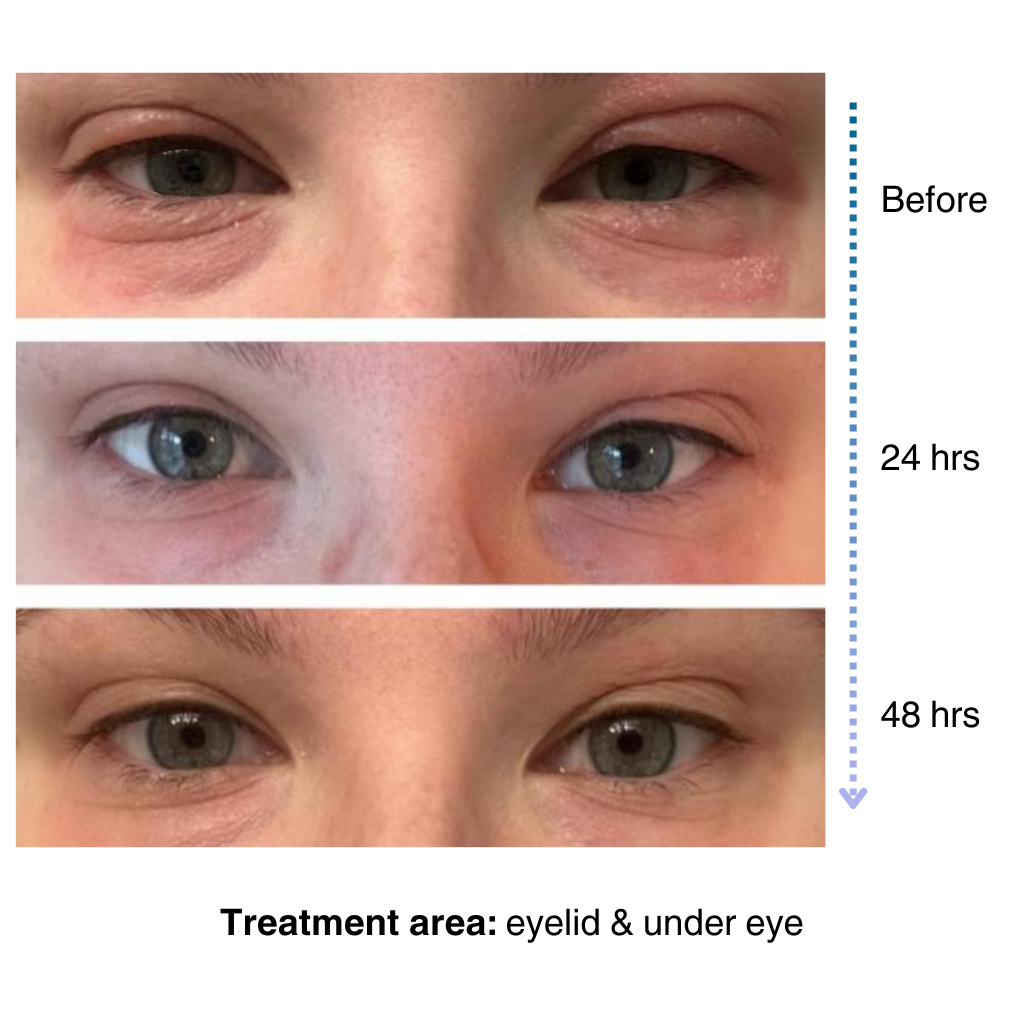
It’s easy to apply and isn’t chalky at all. I’ve been applying it multiple times a day… I’ve tried multiple new products to try and treat my eye eczema, and this is definitely the best I’ve tried so far.
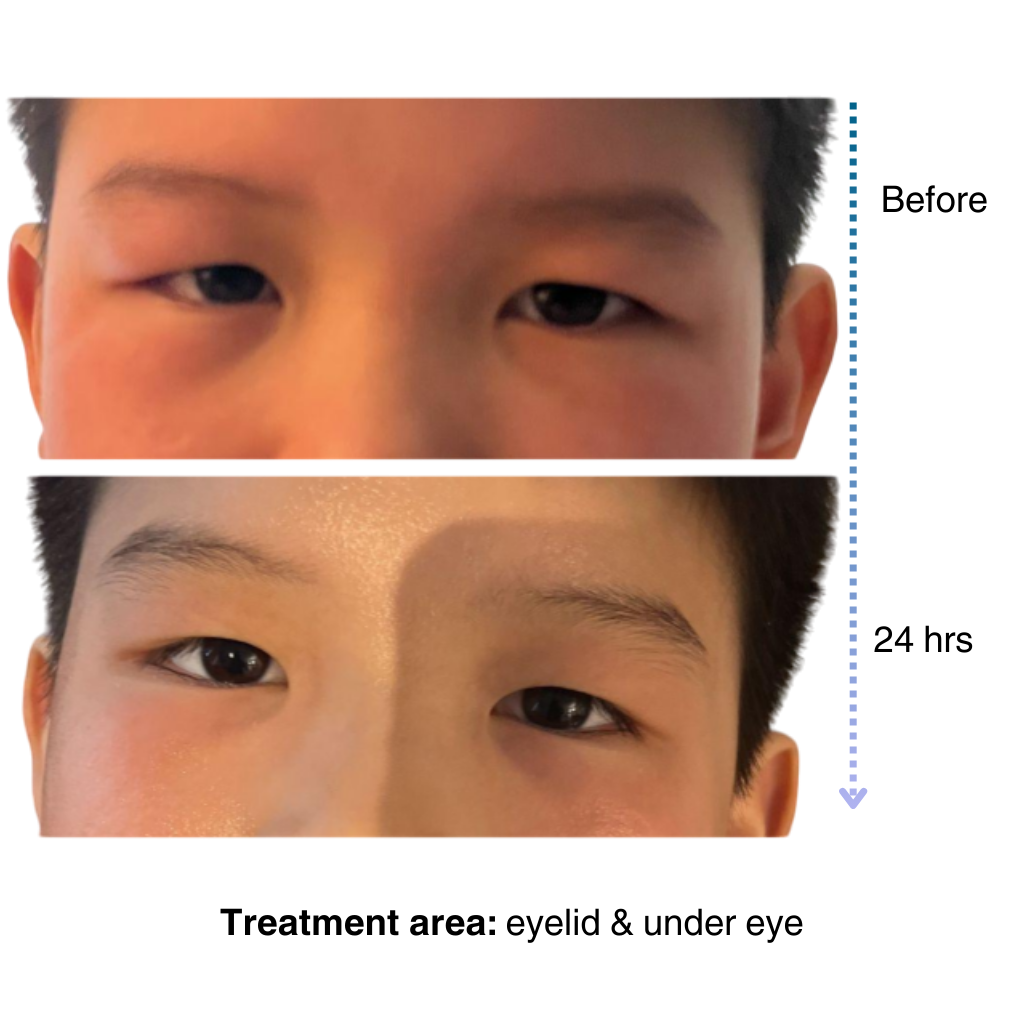
My 7-year old son has been dealing with eczema on his face for a long time, and it’s been so tough to find something that really works…..I’m amazed by the results! Within one day, the redness and rough patches on his face significantly improved…. he doesn’t mind using it at all because it doesn’t sting or feel greasy. – Lily

Like many of you, our eczema journey is personal. That’s why we’re committed to creating a space for the eczema community to share experiences, be empowered through evidence-based solutions, and learn practical tips for daily life.
– Sajjad, Founder & CEO of NellaDerm
