
Managing Eczema in Winter: Chicago Survival Tips
Chicago is known for its spectacular winters, but if you live with eczema, the city’s freezing temperatures, biting winds, and cozy indoor radiator heat can aggravate your skin in ways that feel almost unbearable. Between the frigid gusts on the “L” platform and overheated apartments, eczema in winter becomes a constant challenge for many Chicagoans.
But with some thoughtful steps, you can navigate the season while keeping your skin calm, hydrated, and resilient. This guide is your city-specific survival manual for eczema in winter.
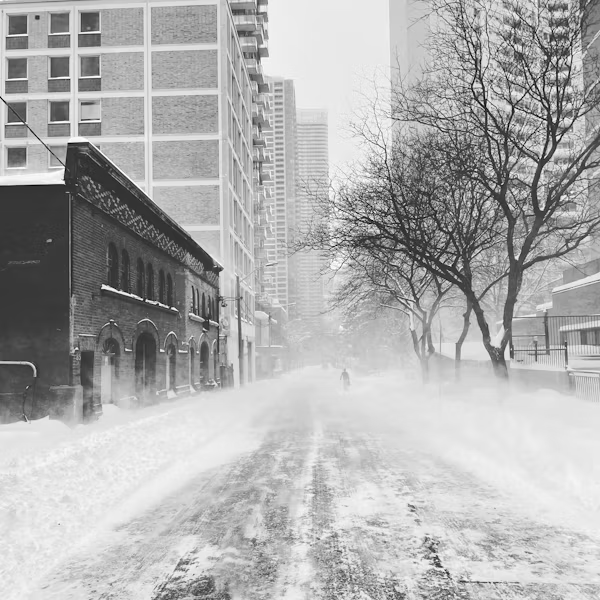
Why Chicago Winters Worsen Eczema
Chicago’s harsh winter climate presents unique challenges for individuals managing eczema. The combination of extreme cold, dry air, and indoor heating creates the perfect storm for skin irritation and flare ups. Understanding these environmental factors is the first step toward developing an effective winter skincare strategy that keeps your skin comfortable and protected throughout the coldest months.
Environmental Factors That Aggravate Eczema
Sub Zero Outdoor Temperatures and Low Humidity
Chicago winters often dip well below freezing, and with frigid temperatures comes reduced moisture in the air. Low humidity accelerates transepidermal water loss (TEWL), leaving your skin drier and more prone to cracking and itchiness. The wind chill factor common in Chicago can further strip moisture from exposed skin, creating immediate discomfort and long term damage to the skin barrier.
Indoor Heating Systems (Radiators, Boilers, and Baseboard Heaters)
When outdoor moisture drops, indoor humidity can fall even further as heaters crank up. Forced air systems, radiators, and boiler heat can all dry building air to below 20 to 30% relative humidity which is far lower than the healthy 40 to 60% range for skin wellness. This artificial drying effect creates an environment where skin cannot properly retain moisture, leading to increased eczema symptoms.
Frequent Temperature Swings
Going from biting outdoor air to dry heated interiors in quick succession puts extra stress on your skin barrier. The sudden shifts cause micro damage to your skin’s protective layer, making your eczema more reactive. These constant transitions force your skin to work overtime to adapt, weakening its natural defenses over time and increasing susceptibility to irritants and allergens.
Understanding Winter Skin Barrier Function
During Chicago winters, your skin’s natural barrier faces multiple assaults simultaneously. The lipid layers that normally protect your skin become compromised in cold weather, allowing moisture to escape more easily. This compromised barrier also becomes more permeable to irritants, making winter the season when many people experience their most severe eczema symptoms.
The skin’s natural production of ceramides, cholesterol, and fatty acids decreases in cold weather. These essential lipids form the mortar between skin cells, creating a waterproof barrier. When levels drop, the barrier becomes leaky, allowing moisture out and irritants in. This is why focusing on barrier repair becomes crucial during winter months.
Additionally, blood vessels constrict in cold temperatures to conserve heat, reducing blood flow to the skin’s surface. This decreased circulation means fewer nutrients and oxygen reach skin cells, slowing the natural repair process and making recovery from flare ups take longer than during warmer months.
Smart Skincare Routine for Eczema in Winter in Chicago
Bathing and Showering
- Keep showers brief and lukewarm no longer than 5 to 7 minutes and avoid hot water, which can strip oils.
- Use gentle syndet cleansers with neutral pH and no fragrance.
- Consider adding finely ground colloidal oatmeal to your bath for soothing relief.
- Moisturize within 3 minutes after patting skin dry. The moisture is still present, and your moisturizer can effectively lock it in before the skin begins to dry.
Choosing the Right Moisturizer
Pick products rich in ceramides, glycerin, petrolatum, and shea butter to restore and maintain your skin barrier. Apply generously at least twice daily and after any water exposure. During winter, you may need to switch to a heavier formulation than what you use during other seasons.
Recommended product: NellaCalm by NellaDerm is fragrance free, barrier supportive, and ideal for winter levels of dryness.
Humidity Control at Home
- Run a humidifier to maintain indoor humidity between 40 to 60%, which significantly reduces winter irritation.
- Place a humidifier in key areas like your bedroom and living space.
- Monitor humidity levels with a hygrometer to prevent mold risks.
- Consider hydrating potted plants or tray style evaporators placed on radiators.
Clothing and Bedding Considerations
- Choose soft, breathable fabrics, such as cotton or bamboo, to avoid friction and overheating.
- Bundle in layers, and remove outerwear promptly after coming inside to reduce sweat induced irritation.
- Wash winter garments with fragrance free, hypoallergenic detergents. Skip fabric softeners.
- Use cotton sheets and pillowcases, change bedding weekly, and apply moisturizer before bed for overnight hydration. Refer to our blog post for more detail.
Winter Wardrobe Strategies for Eczema
Choosing the right winter clothing is essential for managing eczema in Chicago’s climate. While staying warm is important, many traditional winter fabrics can irritate sensitive skin. Wool, while excellent for insulation, often contains lanolin and has coarse fibers that can trigger itching and redness in people with eczema.
Instead of wool directly against your skin, consider wearing a soft cotton layer underneath. This creates a protective barrier between your skin and potentially irritating outer layers. Look for thermal underwear made from cotton or silk, which provide warmth without the scratchiness of synthetic materials or wool.
When purchasing new winter clothing, wash everything before wearing to remove manufacturing chemicals and residues. Use fragrance free detergent and run items through an extra rinse cycle to ensure all soap residues are removed. Avoid dryer sheets and fabric softeners, which leave chemical coatings on fabrics that can irritate eczema prone skin.
Dressing Smart for Travel and Outdoor Time
- Apply a thick moisturizer or petrolatum on exposed skin before heading out.
- Cover your face and hands with soft wool or fleece lined gloves and scarves.
- Keep hand creams and barrier balms in pockets or on your desk for in the moment rescue.
Managing Flares During the Winter
- Use occlusive barrier products (like Vaseline or zinc ointments) on areas prone to cracks like hands, feet, elbows.
- For cracked or bleeding patches, apply wet wrap dressings overnight to promote healing.
- Avoid skincare that contains alcohol, menthol, or fragrance, as these ingredients dry the skin and cause burning.
- Stay vigilant of flare signs like itchiness, redness, or thickening. Treat early to avoid escalation.
Advanced Winter Care Techniques
For those with moderate to severe eczema, basic winter care may not be sufficient. Wet wrap therapy can provide significant relief during Chicago’s coldest months. This technique involves applying moisturizer to damp skin, then covering with a damp layer of clothing or bandages, followed by a dry layer. The damp layer helps hydrate the skin while the dry layer seals in moisture.
Another advanced technique is the soak and smear method. After a lukewarm bath, pat skin until slightly damp, then immediately apply a thick layer of moisturizer or prescription ointment. This method takes advantage of the skin’s increased permeability after bathing to deliver maximum hydration and medication absorption.
For persistent hand eczema, consider wearing cotton gloves under waterproof gloves when doing dishes or cleaning. This protects hands from both water and cleaning products while allowing your skin to breathe. Change gloves frequently to prevent sweat buildup, which can itself become an irritant.
Daily Self Care Strategies
- Stay hydrated by drinking adequate water, especially when combining indoor heat and caffeine or alcohol intake.
- Eat a diet rich in omega 3 fatty acids (salmon, chia seeds) and antioxidant rich fruits to support skin health.
- Get gentle exercise like walking on the lakefront; just moisturize promptly afterward.
- Sleep routines matter: maintain a humidified bedroom and moisture protective clothing before bed.
Nutritional Support for Winter Skin Health
What you eat can significantly impact your skin’s ability to withstand Chicago’s winter challenges. Focus on foods that support skin barrier function and reduce inflammation. Omega 3 fatty acids found in fish, walnuts, and flaxseeds help maintain the skin’s lipid barrier and have anti inflammatory properties.
Vitamin C rich foods like citrus fruits, bell peppers, and broccoli support collagen production, which is essential for skin integrity. Zinc, found in legumes, nuts, and whole grains, plays a role in skin healing and inflammation control. Probiotic foods like yogurt and fermented vegetables may help modulate the immune response associated with eczema.
Stay well hydrated by drinking water throughout the day. While the connection between water intake and skin hydration isn’t direct, proper hydration supports all bodily functions, including skin health. Herbal teas without caffeine can provide additional fluid intake while offering soothing benefits.
Professional Treatments and When to Seek Help
If your eczema flares persist or worsen despite at home management, consult a Chicago based dermatologist. Options they may recommend include:
- Topical corticosteroids or calcineurin inhibitors for targeted flares
- Prescription emollients, barrier repair serums
- Biologics such as Dupixent (for moderate to severe eczema)
- Skin infection management, in case of secondary infection
Ask about local care providers at Mount Sinai, Northwestern, or Advocate Aurora Medical Centers for eczema friendly winter treatment.
Community and Local Resources
Make use of local support networks:
- Chicago Eczema Care Meetup Groups
- University dermatology department clinical trials
- Local pharmacies offering free eczema product samples
- Chicago Public Library programs on nutrition and stress management
Conclusion
Eczema in winter is a formidable adversary, especially in Chicago’s dry, harsh climate, but it does not have to define your season. With a clear plan hydrating routines, strategic barrier care, indoor moisture control, cozy but careful dressing, and early treatment you can get ahead of flare ups and maintain smoother, calmer skin.
For trusted eczema safe moisturizers, gentle cleansers, and dermatologist formulated lotions, visit NellaDerm.com.
More Helpful Eczema Articles You Should Read
- Midday Skin Resets for Eczema-Prone Skin
- Commuting With Eczema: Transit, Cars, and Pollution
- Habit Stacking for Eczema: Skincare That Sticks
- Eczema and Coffee: Does Caffeine Affect Skin?
- Humidity Eczema Relief: Nighttime Bedroom Fixes
- Keloids and Eczema: Managing Scars on Dark Skin
- Nail Eczema: How to Care for Nails Without Stings
- Eczema in Newborns: What Parents Should Know
- Eczema and Arthritis: Hand-Care for Skin & Joints
- Eczema in College: A Budget-Friendly Survival Guide
Like many of you, our eczema journey is personal. That’s why we’re committed to creating a space for the eczema community to share experiences, be empowered through evidence-based solutions, and learn practical tips for daily life.
– Sajjad, Founder & CEO of NellaDerm
