
Eczema concerns?
FREE
Get instant expert guidance with our smart AI platform.
Join NowAs backpacks are filled and classrooms reopen, most students are focused on making new friends, fitting in, and succeeding academically. But for children and teens with eczema, the school year also brings unique emotional and physical challenges. From itchy flare ups during gym class to uncomfortable questions from peers, back to school with eczema is a journey that requires both skin care strategy and emotional resilience.
In this post, we’ll explore how to support kids and teens living with eczema, specifically focusing on peer pressure, skin triggers, and tips to maintain confidence while managing a chronic skin condition.

Eczema in school aged children is more than a physical condition. It affects confidence, social interactions, and emotional well being. From playground teasing to gym class anxiety, the school environment can amplify both symptoms and stress. This comprehensive guide helps parents, teachers, and students navigate eczema at school with practical strategies, emotional support tips, and school-ready routines.
Eczema is not just about dry or itchy skin. For school aged children, the condition can affect self esteem, confidence, and mental health. A 2016 study published in NIH found that children with eczema often experience higher rates of social anxiety and self consciousness compared to their peers. They may avoid raising their hands, participating in group activities, or changing clothes in gym class to hide visible patches or scratching.
Peer pressure and bullying, particularly among preteens and teens, can intensify these feelings. Questions like “What’s wrong with your skin?” or “Is that contagious?” can be deeply embarrassing, even when well intentioned.
The school environment itself is filled with potential eczema triggers:
Understanding these triggers can help families and schools create a supportive plan to minimize flare ups and ensure a child’s comfort throughout the day.
Helping children and teens build emotional resilience is as important as any topical cream. Here are a few tips to empower young eczema warriors:
Having a one sentence explanation like “It’s eczema, it’s not contagious, and it just makes my skin itchy” can help kids respond confidently to questions.
Support them in joining school clubs, sports, or leadership roles. The more involved they feel, the more they’ll be defined by who they are, not their skin.
If teasing or bullying arises, report it to teachers or counselors right away. Ask the school to provide education on skin conditions or disabilities as part of diversity training.
Share stories of public figures with eczema, like Olympic athletes or actors, who manage their condition while living confidently.
A well prepared skincare plan can reduce flare ups and make school days more comfortable:
Pack a mini eczema toolkit:
If sweat triggers flares, teach your child to gently towel off and reapply moisturizer or rinse hands and face with lukewarm water.
A simple conversation with your child’s teacher, school nurse, or coach can go a long way in preventing discomfort. Share any key triggers and treatment needs. Some schools can make accommodations like:
If your child is young, include instructions in their backpack for teachers in case of a flare up.
Set up a consistent morning and evening skincare routine to strengthen the skin barrier and reduce flares. Keep the home environment eczema friendly with:
For more ideas, check out our blog on How to Wash Bedding for Eczema to support better sleep and minimize night time itching.
Never underestimate the emotional side of eczema. If your child expresses anxiety about school or their appearance, validate their feelings and offer support. In more serious cases, a school counselor or child psychologist can help them develop coping strategies.
Peer reviewed studies, such as one published in Healthcare, have shown that children with eczema often benefit from psychological support, especially during adolescence when identity and appearance are highly sensitive topics.
Managing eczema at school goes beyond creams and soaps: it’s about empowering kids and teens to feel confident, supported, and unashamed. With the right planning, understanding from school staff, and a solid skin care routine, eczema does not have to define your child’s school experience.
To explore eczema safe products and resources designed to support families, visit NellaDerm.com. Because every student deserves to feel good in their skin.
For children with moderate to severe eczema, a 504 plan can provide legal protections and accommodations under federal law. This document ensures your child receives necessary support without discrimination. Start by gathering medical documentation from your pediatrician or dermatologist detailing how eczema impacts daily functioning, including sleep disruption, concentration issues, or frequent medical needs.
Common accommodations in eczema 504 plans include permission to carry and self administer moisturizers or prescribed topicals, excused absences for severe flare ups with doctor notes, modified physical education requirements during active outbreaks, and access to a private area for skin care routines. Some plans allow extra time between classes for handwashing or moisturizing.
Meet with your school’s 504 coordinator early in the year to draft the plan. Include specific triggers like temperature extremes or certain cleaning products used in classrooms. Update the plan annually or whenever your child’s condition changes significantly. A well crafted 504 plan transforms potential obstacles into managed routines.
Many parents report that having a formal plan reduces anxiety for both themselves and their children. It also educates staff about the medical legitimacy of eczema, fostering a more supportive school culture overall.
High school brings unique challenges for teens with eczema. Puberty hormones can worsen symptoms, while social pressures peak. Makeup, acne treatments, and styling products often irritate sensitive skin. Encourage teens to choose non comedogenic, fragrance free alternatives and patch test new items carefully.
Sports and extracurricular activities increase sweat exposure. Teach teens to shower within thirty minutes post activity using gentle cleansers. Packing spare cotton shirts prevents prolonged contact with sweaty uniforms. For band or theater participants, consider breathable costume underlayers to reduce friction.
Dating and social events add emotional layers. Normalize open conversations about eczema early so teens feel comfortable disclosing their condition when ready. Support groups or online communities connect teens with peers facing similar challenges, reducing isolation.
Empower teens to advocate for themselves by practicing conversations with counselors or coaches. Building self advocacy skills now prepares them for college and workplace accommodations later. Many successful adults credit their teenage eczema experiences with developing resilience and empathy.
Educators play a crucial role in creating inclusive environments for students with eczema. Begin by familiarizing yourself with the condition through reliable resources. Understand that visible scratching or bandaged areas are medical, not behavioral issues. Avoid drawing unnecessary attention but offer discreet support when needed.
Allow flexible seating away from heat vents or drafty windows if temperature triggers flares. Permit water bottles at desks to maintain hydration, which supports skin health. During art or science activities involving irritants like glue or chemicals, provide gloves or alternative tasks without singling out the student.
Foster classroom empathy through general discussions about differences and kindness. Address bullying immediately and privately. Celebrate diversity in all forms to create a culture where skin conditions are just one of many normal variations.
Collaborate with school nurses to keep emergency moisturizers accessible. Small accommodations make big differences in student comfort and academic engagement. Teachers who understand eczema help all students learn compassion alongside curriculum.
Many children with eczema also have food allergies or sensitivities that trigger skin reactions. School cafeterias pose risks from cross contamination or hidden ingredients. Work with nutrition staff to identify safe menu options and establish protocols for allergy aware tables if needed.
Pack lunches when uncertain about cafeteria offerings. Choose eczema friendly foods like oatmeal, avocados, and fatty fish that support skin barrier function. Avoid common triggers such as dairy, eggs, or citrus if identified by testing. Include a cold pack to keep perishable items fresh until lunchtime.
Teach children to wash hands thoroughly before and after eating to remove food residues that might irritate facial eczema. Some schools allow wipes for quick cleanups. Monitor for patterns between certain foods and afternoon flare ups to refine dietary strategies.
Clear communication with cafeteria staff about both allergies and eczema needs prevents misunderstandings. A coordinated approach between home and school ensures nutritional needs are met without compromising skin health.
Different seasons bring distinct eczema challenges in school settings. Winter’s dry indoor heat combines with cold outdoor air to strip skin moisture. Layer clothing with breathable cotton bases and apply occlusive moisturizers before exposure to elements. Portable humidifiers in classrooms help when permitted.
Spring pollen infiltrates buildings through open windows and on clothing. HEPA air filters in homerooms reduce allergen loads. Antihistamines may be needed for dual allergy eczema management, per doctor guidance. Keep spare uniforms to change if pollen clings to fabrics.
Summer camp or extended school year programs increase sun and sweat exposure. Choose mineral based sunscreens labeled non irritating for sensitive skin. Post activity showers with gentle cleansers prevent sweat induced flares. Hydration remains critical in warm weather.
Fall brings mold spores and new classroom dust. Regular vacuuming with HEPA filters and dusting with damp cloths minimizes irritants. Transition routines smoothly by adjusting moisturizer thickness with weather changes. Year round vigilance keeps seasonal shifts from derailing progress.
Numerous organizations offer guidance for managing childhood eczema in educational settings. The National Eczema Association provides school accommodation templates and parent toolkits. Their website includes sample letters for teachers and 504 plan examples tailored to skin conditions.
Local allergy and immunology clinics often host parent workshops on school advocacy. Online forums connect families nationwide sharing successful strategies. Books like “The Eczema Relief Handbook for Parents” offer practical advice from dermatologists and psychologists.
Track symptoms with apps designed for eczema management. Photograph flare ups to show patterns to healthcare providers. Join school parent teacher associations to advocate for broader eczema awareness programs benefiting all students.
Building a support network lightens the load. Knowledgeable parents become resources for others, creating communities where children with eczema thrive academically and socially alongside peers.
Q: If I have eyelid eczema elsewhere, can it still be ACD?
Yes. People with eyelid eczema are more vulnerable to contact allergens due to compromised skin. Even mild allergies can cause significant swelling or flaking.
Q: Are allergy tests painful?
No. Patch tests involve adhesive patches left on the back. Reactions are evaluated over 48–96 hours with minimal discomfort.
Q: How long will it take to heal?
Eczema takes longer—days to weeks. Allergic reactions may clear within a few days after removing the trigger.
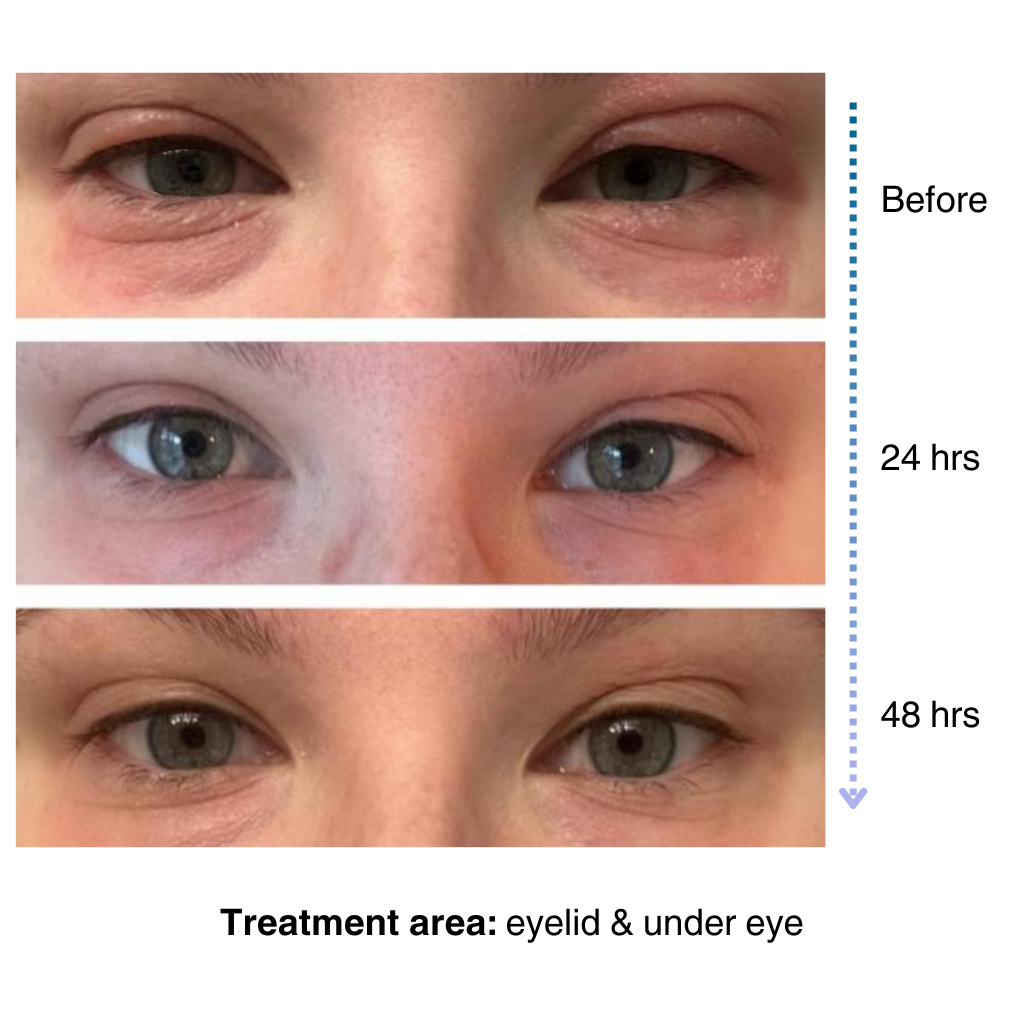
It’s easy to apply and isn’t chalky at all. I’ve been applying it multiple times a day… I’ve tried multiple new products to try and treat my eye eczema, and this is definitely the best I’ve tried so far.
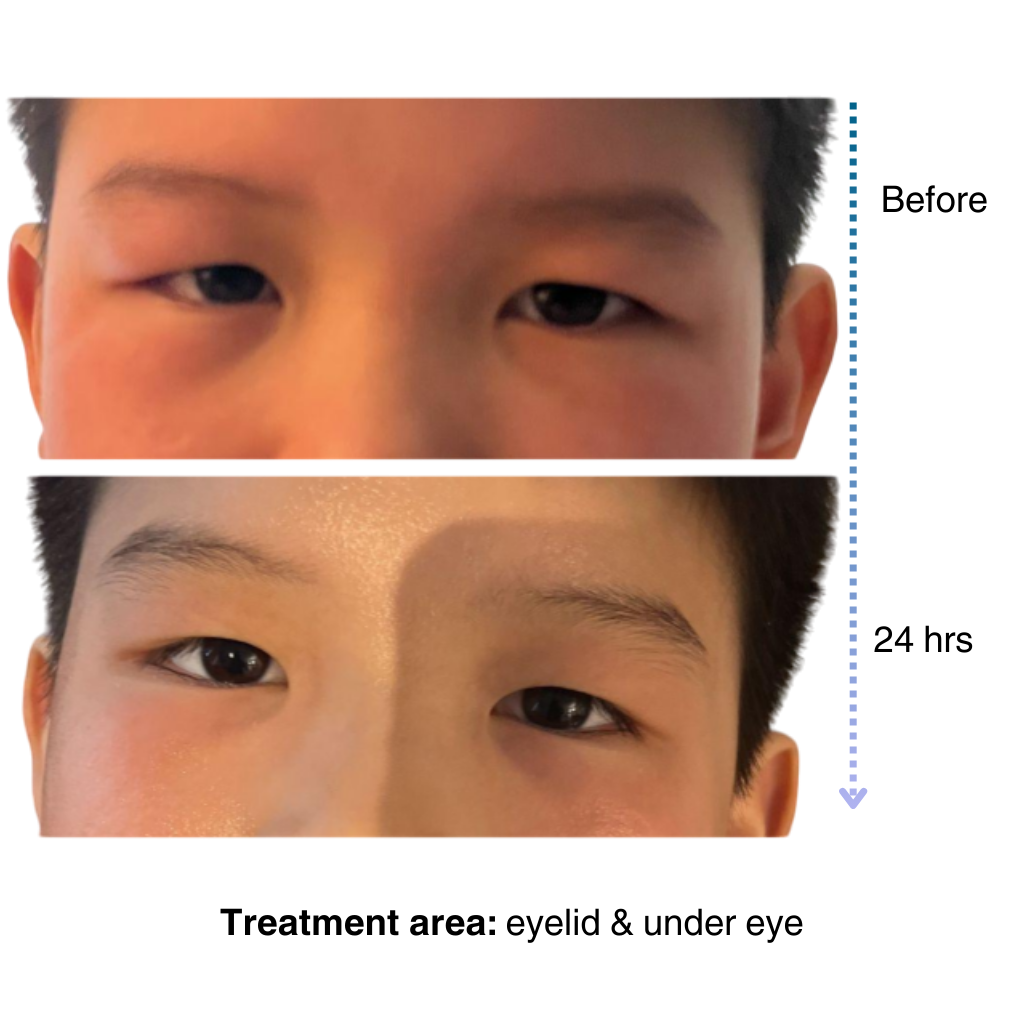
My 7-year old son has been dealing with eczema on his face for a long time, and it’s been so tough to find something that really works…..I’m amazed by the results! Within one day, the redness and rough patches on his face significantly improved…. he doesn’t mind using it at all because it doesn’t sting or feel greasy. – Lily

Like many of you, our eczema journey is personal. That’s why we’re committed to creating a space for the eczema community to share experiences, be empowered through evidence-based solutions, and learn practical tips for daily life.
– Sajjad, Founder & CEO of NellaDerm
