
Eczema concerns?
FREE
Get instant expert guidance with our smart AI platform.
Join NowCold air holds less moisture than warm air. Indoors, heaters drive humidity even lower, so water leaves your skin faster and tiny cracks appear in the outer barrier. Studies from PubMed Central show that low and fluctuating humidity can disturb barrier function and ramp up dryness and irritation, which is why winter eczema tends to spike as soon as thermometers drop and radiators hum.

If you want a simple, steroid-free barrier cream that layers well morning and night, keep NellaCalm Steroid-Free Eczema Cream by every sink.
Public health guidance recommends 30 to 50 percent indoor humidity. Below that, evaporation from your skin accelerates. Above it, dust mites and mold can thrive. Put a hygrometer in the bedroom and main living space, and adjust your device rather than guessing by feel.
Short laboratory and clinical studies show that very low humidity and sudden drops can disrupt barrier function and increase roughness, especially in winter-like indoor conditions. Getting back to a steady mid-range helps your skin lose less water overnight.
Short and warm, not hot and long. Hot water strips lipids; longer showers magnify the effect. Keep showers to 5–10 minutes in lukewarm water. The moment you step out, pat to damp and apply a generous layer of moisturizer within three minutes to trap clean water where you want it: inside your skin. Clinical guidance consistently includes this rinse-and-seal step for atopic dermatitis and dry-skin care.
Bonus: Keep one moisturizer at the tub and one at the sink so you never skip the seal.
You do not have to ban wool forever. The problem is fiber thickness and texture against sensitized skin.
For bedtime comfort and sheet options, this guide can help when you are upgrading winter bedding: How to Wash Bedding for Eczema: A Step-by-Step Guide
1) Lukewarm rinse or quick shower
If you did not sweat, a brief face and flexure rinse is enough.
2) Seal while damp
Apply a rich cream or ointment everywhere that tends to itch by morning. Use a lighter cream on areas that touch clothing you do not want greasy.
3) Targeted wet wraps for stubborn plaques
On hot patches, soak a strip of clean cotton or a sleeve of tubular bandage in lukewarm water, wring it out, lay it over a thin layer of moisturizer, and cover with a dry layer for one to two hours. Most groups recommend wet wraps during moderate to severe flares for short stretches; they can quickly reduce itch and help actives or moisturizers work better. Avoid overnight every night to limit maceration and always pause if the skin looks soggy.
4) Bedroom set-up
Run the humidifier, set a soft cotton pillowcase, and keep a small tube of moisturizer and lip balm on the nightstand for middle-of-the-night itch.
Commuter tip: Keep a travel-size moisturizer and SPF stick in your bag for windy midday walks.
Warm but breathable is the goal. Sweat that soaks and dries against skin is a top winter-itch trigger.
Days 1–3: Indoor climate and shower reset
Days 4–7: Fabric and laundry audit
Days 8–10: Night optimization
Days 11–14: Troubleshoot and lock habits
Tight, shiny skin after you get home
Turn down shower heat and time, then apply a thicker cream or ointment while skin is damp. The “tight” feel is water loss.
Itch explodes as the heat kicks on
Your indoor humidity is dropping. Bump the humidifier and verify with a hygrometer; aim for 30–50 percent.
Redness and roughness despite humidifier
Humidity helps, but sudden low-humidity exposure still stresses skin. Keep levels steady and use a consistent night seal; evidence links sharp drops to barrier disruption.
Wet wraps help but skin looks soggy
Use short sessions and let skin breathe afterward. Save overnight wraps for clinician-guided plans; reviews support short-term benefit but caution against overuse.
Wool always makes you itch
You may react to coarse fibers. Try superfine merino only if it feels smooth, or stay with soft cotton or bamboo blends. Controlled studies found benefits from superfine merino in some patients with atopic dermatitis, but comfort rules.
Bring photos, humidity readings, and a list of products you are using. That turns guesswork into a tailored plan.
Winter dries the air and your skin, but a few steady habits tame the season. Keep your home 30–50 percent humidity, take short lukewarm showers, and seal within three minutes. Choose soft, breathable layers and consider targeted wet wraps on stubborn spots during flare weeks. Stock moisturizer next to every sink, keep laundry residue low, and let your night routine do the heavy lifting. With this playbook, winter eczema shifts from constant firefighting to calm, predictable care.
Do humidifiers really help eczema?
They help the environment that your skin lives in. Keeping rooms in the 30–50 percent range reduces evaporative water loss from skin in dry seasons. You still need rinse-and-seal habits for full benefit.
Is it okay to take baths in winter?
Yes, if you keep them short and lukewarm and moisturize within three minutes of getting out.
Should I avoid all wool?
Not necessarily. Superfine merino performed well in clinical studies compared with standard clothing. If it feels truly smooth on your skin, it may be a helpful winter base layer.
Can I wet wrap every night?
Use wet wraps as a short-term tool for flares rather than a nightly habit unless your clinician directs otherwise. Reviews support short-term benefit and caution about overuse.
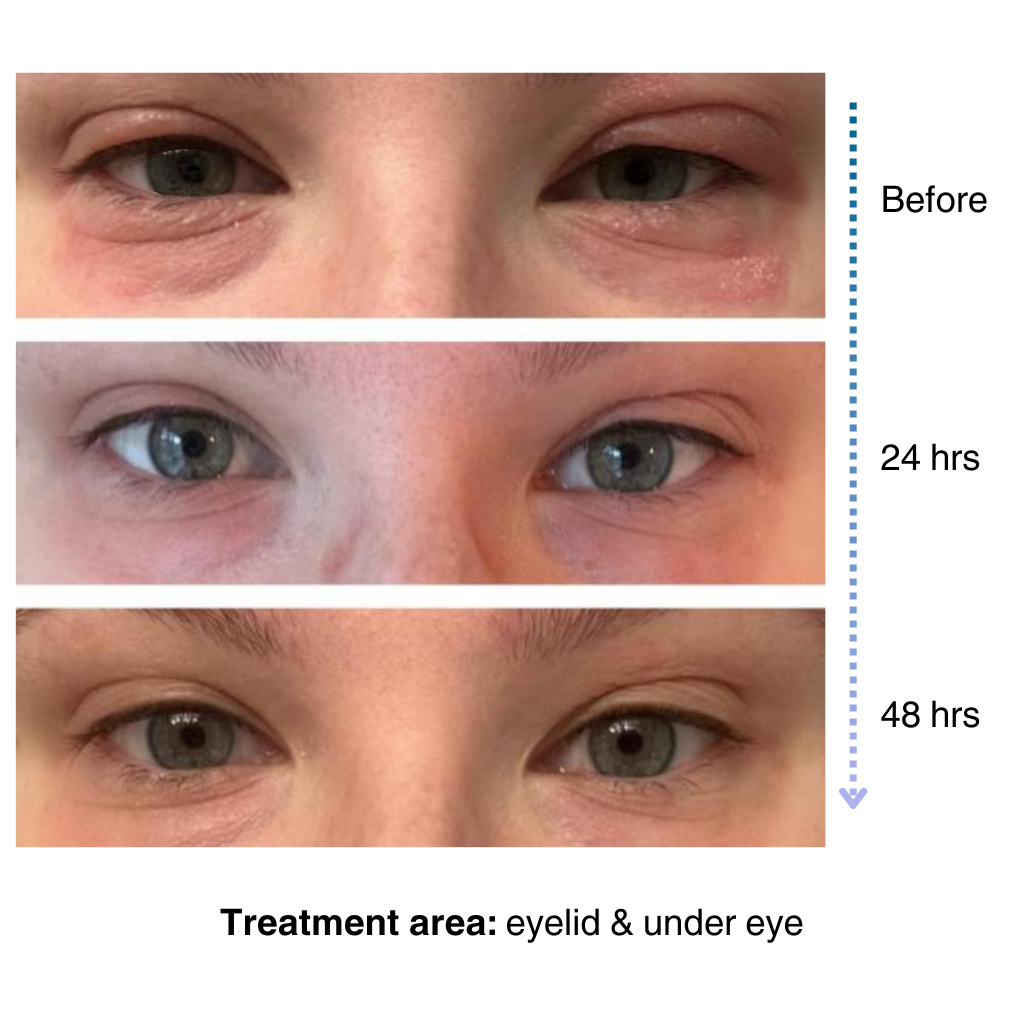
It’s easy to apply and isn’t chalky at all. I’ve been applying it multiple times a day… I’ve tried multiple new products to try and treat my eye eczema, and this is definitely the best I’ve tried so far.
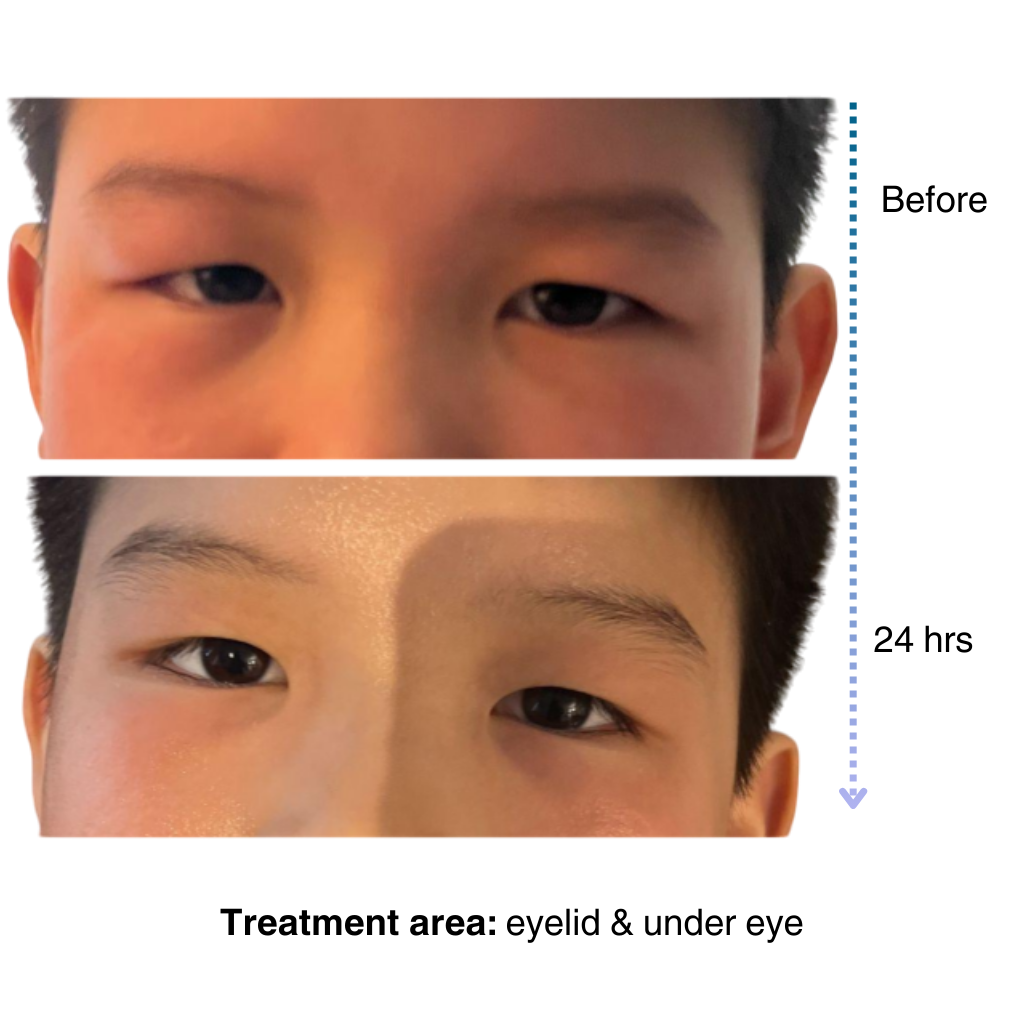
My 7-year old son has been dealing with eczema on his face for a long time, and it’s been so tough to find something that really works…..I’m amazed by the results! Within one day, the redness and rough patches on his face significantly improved…. he doesn’t mind using it at all because it doesn’t sting or feel greasy. – Lily

Get expert advice, exclusive offers, and real stories from people who understand your journey.
Start your skincare journey with an exclusive discount
Practical advice for managing sensitive and eczema-prone skin
Be the first to try our latest technology and product releases
Get 10% off your first order when you sign up
Secure & Private
Instant Access
Premium Content
Like many of you, our eczema journey is personal. That’s why we’re committed to creating a space for the eczema community to share experiences, be empowered through evidence-based solutions, and learn practical tips for daily life.
– Sajjad, Founder & CEO of NellaDerm
